
About This Book
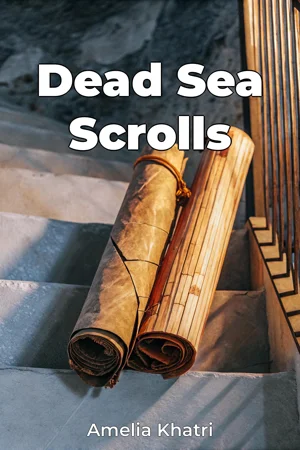
What if a chance discovery could rewrite our understanding of one of history’s most transformative periods? "Dead Sea Scrolls" delves into the story of the scrolls' discovery, their historical significance, and their impact on our understanding of early Judaism and the rise of Christianity. This book examines the scrolls themselves, documents that offer a unique window into a pivotal era. Understanding these ancient writings is vital, as they provide invaluable context for the development of both Judaism and Christianity, shedding light on the diverse religious landscape of the time and challenging long-held assumptions. This book explores the tumultuous period of the Second Temple Judaism, providing the social and political backdrop against which the scrolls were created. We examine Jewish sects of the time, like the Essenes, and discuss scholarly interpretations of their beliefs and practices, as reflected in the scrolls. Readers will gain insights into the historical context necessary to fully appreciate the significance of these groundbreaking texts. The central argument of "Dead Sea Scrolls" asserts that these documents offer a crucial, unfiltered glimpse into the religious and social landscape of Second Temple Judaism, revealing a diverse range of perspectives and practices that challenge conventional understandings of this formative period. The book underscores the idea that the scrolls provide primary source material which has enriched and deepened the knowledge on the origins of Western religious thought. The book begins by recounting the discovery of the Dead Sea Scrolls and introducing the main concepts and figures associated with them. It proceeds by systematically analyzing the content of the scrolls, categorizing them into biblical texts, sectarian documents, and other writings. The book explores the identity of the community that produced the scrolls, examining different theories and weighing the evidence. Finally, it examines the impact of the scrolls on biblical studies, Jewish history, and Christian origins, exploring the controversies and debates that have emerged from their study. To support its arguments, "Dead Sea Scrolls" presents a comprehensive analysis of the texts themselves, drawing on the latest scholarly research and translations. It examines archaeological evidence from Qumran, the site where the scrolls were discovered, and analyzes the historical and religious context of the texts. The book also engages with the diverse range of scholarly interpretations of the scrolls, presenting a balanced and nuanced perspective on the ongoing debates. "Dead Sea Scrolls" connects to several other fields of study, including archaeology, ancient languages, and religious studies. By integrating insights from these disciplines, the book offers a comprehensive and interdisciplinary analysis of the Dead Sea Scrolls and their significance. This book offers a unique approach by focusing on the primary texts of the Dead Sea Scrolls themselves, providing readers with a direct and accessible introduction to these fascinating documents. It moves beyond popular accounts to engage with the scholarly debates and complexities surrounding the scrolls, offering a nuanced and informed perspective. Written in an accessible yet scholarly style, avoiding jargon and explaining technical terms clearly, this book is targeted toward students, researchers, and anyone interested in the history of Judaism and Christianity. It aims to provide a balanced introduction to the Dead Sea Scrolls, avoiding sensationalism and focusing on the best available evidence and scholarly interpretations. Adhering to standards of historical research and biblical studies, this book explores the specified time period, groups of people, and geographical settings, providing a clear and coherent overview of the topic while acknowledging areas where certainty is impossible. The scope of the book is limited to the Dead Sea Scrolls themselves, their historical context, and their impact on our understanding of Judaism and Christianity. It does not attempt to offer a comprehensive history of either religion but rather focuses on the specific contributions of the scrolls to our knowledge of these traditions. The book encourages readers to engage with original texts and to think critically about the historical and religious contexts in which they were produced, to learn how to evaluate evidence and to form their own informed opinions based on the available data. The study of the Dead Sea Scrolls remains a vibrant and dynamic field, with ongoing debates about the interpretation of the texts, the identity of the community that produced them, and their significance for our understanding of Judaism and Christianity. "Dead Sea Scrolls" acknowledges these controversies and presents different perspectives, inviting readers to engage with the ongoing scholarly discussion.
What if a chance discovery could rewrite our understanding of one of history’s most transformative periods? "Dead Sea Scrolls" delves into the story of the scrolls' discovery, their historical significance, and their impact on our understanding of early Judaism and the rise of Christianity. This book examines the scrolls themselves, documents that offer a unique window into a pivotal era. Understanding these ancient writings is vital, as they provide invaluable context for the development of both Judaism and Christianity, shedding light on the diverse religious landscape of the time and challenging long-held assumptions. This book explores the tumultuous period of the Second Temple Judaism, providing the social and political backdrop against which the scrolls were created. We examine Jewish sects of the time, like the Essenes, and discuss scholarly interpretations of their beliefs and practices, as reflected in the scrolls. Readers will gain insights into the historical context necessary to fully appreciate the significance of these groundbreaking texts. The central argument of "Dead Sea Scrolls" asserts that these documents offer a crucial, unfiltered glimpse into the religious and social landscape of Second Temple Judaism, revealing a diverse range of perspectives and practices that challenge conventional understandings of this formative period. The book underscores the idea that the scrolls provide primary source material which has enriched and deepened the knowledge on the origins of Western religious thought. The book begins by recounting the discovery of the Dead Sea Scrolls and introducing the main concepts and figures associated with them. It proceeds by systematically analyzing the content of the scrolls, categorizing them into biblical texts, sectarian documents, and other writings. The book explores the identity of the community that produced the scrolls, examining different theories and weighing the evidence. Finally, it examines the impact of the scrolls on biblical studies, Jewish history, and Christian origins, exploring the controversies and debates that have emerged from their study. To support its arguments, "Dead Sea Scrolls" presents a comprehensive analysis of the texts themselves, drawing on the latest scholarly research and translations. It examines archaeological evidence from Qumran, the site where the scrolls were discovered, and analyzes the historical and religious context of the texts. The book also engages with the diverse range of scholarly interpretations of the scrolls, presenting a balanced and nuanced perspective on the ongoing debates. "Dead Sea Scrolls" connects to several other fields of study, including archaeology, ancient languages, and religious studies. By integrating insights from these disciplines, the book offers a comprehensive and interdisciplinary analysis of the Dead Sea Scrolls and their significance. This book offers a unique approach by focusing on the primary texts of the Dead Sea Scrolls themselves, providing readers with a direct and accessible introduction to these fascinating documents. It moves beyond popular accounts to engage with the scholarly debates and complexities surrounding the scrolls, offering a nuanced and informed perspective. Written in an accessible yet scholarly style, avoiding jargon and explaining technical terms clearly, this book is targeted toward students, researchers, and anyone interested in the history of Judaism and Christianity. It aims to provide a balanced introduction to the Dead Sea Scrolls, avoiding sensationalism and focusing on the best available evidence and scholarly interpretations. Adhering to standards of historical research and biblical studies, this book explores the specified time period, groups of people, and geographical settings, providing a clear and coherent overview of the topic while acknowledging areas where certainty is impossible. The scope of the book is limited to the Dead Sea Scrolls themselves, their historical context, and their impact on our understanding of Judaism and Christianity. It does not attempt to offer a comprehensive history of either religion but rather focuses on the specific contributions of the scrolls to our knowledge of these traditions. The book encourages readers to engage with original texts and to think critically about the historical and religious contexts in which they were produced, to learn how to evaluate evidence and to form their own informed opinions based on the available data. The study of the Dead Sea Scrolls remains a vibrant and dynamic field, with ongoing debates about the interpretation of the texts, the identity of the community that produced them, and their significance for our understanding of Judaism and Christianity. "Dead Sea Scrolls" acknowledges these controversies and presents different perspectives, inviting readers to engage with the ongoing scholarly discussion.
"Dead Sea Scrolls" explores the groundbreaking discovery and profound significance of these ancient writings, offering invaluable insights into Second Temple Judaism and the formative years of Christianity. It reveals how these scrolls challenge conventional understandings of this pivotal era by providing a direct, unfiltered glimpse into the diverse religious landscape of the time. The book highlights the importance of understanding the scrolls' historical context, particularly the social and political dynamics that shaped their creation, and examines various Jewish sects like the Essenes. The book systematically analyzes the scrolls, categorizing them into biblical texts, sectarian documents, and other writings, while also exploring the identity of the Qumran community believed to have produced them. It investigates the scrolls' impact on biblical studies, Jewish history, and Christian origins. By focusing on the primary texts and engaging with scholarly debates, "Dead Sea Scrolls" provides a balanced introduction to these fascinating documents, making it accessible to students, researchers, and anyone interested in the intertwined histories of Judaism and Christianity.
Book Details
ISBN
9788233962180
Publisher
Publifye AS
Your Licenses
You don't own any licenses for this book
Purchase a license below to unlock this book and download the EPUB.
Purchase License
Select a tier to unlock this book
Need bulk licensing?
Contact us for enterprise agreements.