
About This Book
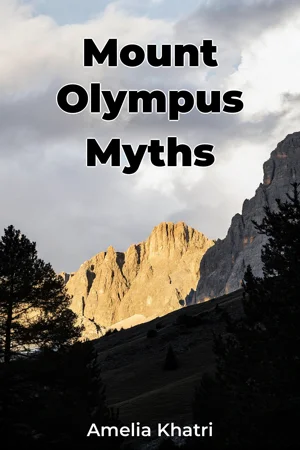
Have you ever wondered how a mountain could become the dwelling place of gods? "Mount Olympus Myths" delves into the fascinating story of Mount Olympus, not just as a physical location in Greece, but as a central element in ancient Greek religious beliefs and cultural identity. This book explores the mountain’s multifaceted role, examining its geological significance, its depiction in mythology, and its importance in shaping the religious practices of the ancient Greeks. We will examine the mountain's physical presence and how its imposing height and dramatic landscape inspired awe and reverence. We will then analyze the evolution of the Olympian gods, tracing their origins, their distinct personalities, and their complex relationships within the pantheon. Finally, it will discuss how Mount Olympus and its associated myths influenced ancient Greek culture, impacting art, literature, philosophy, and political thought. Understanding Mount Olympus provides insight into the mindset of the ancient Greeks and their worldview. This book argues that Mount Olympus served as both a symbolic and literal representation of the divine order, reflecting the Greeks' understanding of power, morality, and the human condition. It demonstrates how the myths associated with the mountain were not merely entertaining stories but powerful tools for explaining the world and reinforcing societal norms. The book begins by setting the geographical and historical stage, exploring the geological formation of Mount Olympus and its surrounding region. It then transitions to an examination of the earliest known references to the mountain in Greek literature, including Homer's "Iliad" and "Odyssey." The heart of the book is dedicated to analyzing the twelve Olympian gods, detailing their individual myths, symbols, and spheres of influence. A chapter explores the rituals and festivals that were performed in honor of the gods, illustrating how the ancient Greeks attempted to connect with the divine realm. The book culminates in a discussion of the lasting legacy of Mount Olympus in Western culture, tracing its influence on art, literature, and philosophy from antiquity to the present day. The evidence presented relies on a combination of textual analysis of ancient Greek literature, archaeological findings from sites around Mount Olympus, and comparative studies of religious beliefs in other ancient cultures. Unique data sources include lesser-known religious texts and recently translated inscriptions that provide new insights into the practices of ancient Greek worshippers. The exploration of Mount Olympus inherently connects to several disciplines beyond history and religion. Firstly, it touches upon geography and environmental studies, examining the physical landscape that shaped the mythology. Secondly, it intersects with art history and literary criticism, analyzing the representation of Mount Olympus and its gods in various artistic mediums. Thirdly, it relates to political science and sociology, exploring how religious beliefs influenced social structures and power dynamics in ancient Greece. This book takes a unique approach by combining a close reading of primary source texts with a contextual analysis of the social, political, and environmental factors that shaped the mythology of Mount Olympus. It moves beyond a simple retelling of myths to offer a deeper understanding of their cultural significance. The writing style is academic, employing precise language and rigorous analysis, while remaining accessible to a broad audience. The tone is informative and engaging, aiming to spark curiosity and inspire further exploration of the topic. The target audience includes students of ancient history, mythology, and religious studies, as well as general readers interested in learning more about Greek culture. It will appeal to those seeking a comprehensive and insightful exploration of Mount Olympus and its enduring influence. As a work of non-fiction history and religion, this book prioritizes accuracy and objectivity, presenting a balanced and nuanced account of the evidence. It acknowledges the limitations of our knowledge about the ancient world and recognizes the potential for multiple interpretations of the available evidence. The book's scope is limited to the study of Mount Olympus and its associated myths within the context of ancient Greek culture. It does not attempt to provide a comprehensive overview of all aspects of ancient Greek religion. The information in this book can be applied to a better understanding of the origins of Western culture, the enduring power of mythology, and the relationship between humans and the environment. It can also inform contemporary discussions about the role of religion in society and the importance of preserving cultural heritage. While scholars generally agree on the core elements of the Olympian pantheon and the basic narratives of the myths, there are ongoing debates about the origins of certain deities, the precise nature of ancient religious practices, and the extent to which the myths reflect historical events. This book acknowledges these debates and presents different perspectives on these issues.
Have you ever wondered how a mountain could become the dwelling place of gods? "Mount Olympus Myths" delves into the fascinating story of Mount Olympus, not just as a physical location in Greece, but as a central element in ancient Greek religious beliefs and cultural identity. This book explores the mountain’s multifaceted role, examining its geological significance, its depiction in mythology, and its importance in shaping the religious practices of the ancient Greeks. We will examine the mountain's physical presence and how its imposing height and dramatic landscape inspired awe and reverence. We will then analyze the evolution of the Olympian gods, tracing their origins, their distinct personalities, and their complex relationships within the pantheon. Finally, it will discuss how Mount Olympus and its associated myths influenced ancient Greek culture, impacting art, literature, philosophy, and political thought. Understanding Mount Olympus provides insight into the mindset of the ancient Greeks and their worldview. This book argues that Mount Olympus served as both a symbolic and literal representation of the divine order, reflecting the Greeks' understanding of power, morality, and the human condition. It demonstrates how the myths associated with the mountain were not merely entertaining stories but powerful tools for explaining the world and reinforcing societal norms. The book begins by setting the geographical and historical stage, exploring the geological formation of Mount Olympus and its surrounding region. It then transitions to an examination of the earliest known references to the mountain in Greek literature, including Homer's "Iliad" and "Odyssey." The heart of the book is dedicated to analyzing the twelve Olympian gods, detailing their individual myths, symbols, and spheres of influence. A chapter explores the rituals and festivals that were performed in honor of the gods, illustrating how the ancient Greeks attempted to connect with the divine realm. The book culminates in a discussion of the lasting legacy of Mount Olympus in Western culture, tracing its influence on art, literature, and philosophy from antiquity to the present day. The evidence presented relies on a combination of textual analysis of ancient Greek literature, archaeological findings from sites around Mount Olympus, and comparative studies of religious beliefs in other ancient cultures. Unique data sources include lesser-known religious texts and recently translated inscriptions that provide new insights into the practices of ancient Greek worshippers. The exploration of Mount Olympus inherently connects to several disciplines beyond history and religion. Firstly, it touches upon geography and environmental studies, examining the physical landscape that shaped the mythology. Secondly, it intersects with art history and literary criticism, analyzing the representation of Mount Olympus and its gods in various artistic mediums. Thirdly, it relates to political science and sociology, exploring how religious beliefs influenced social structures and power dynamics in ancient Greece. This book takes a unique approach by combining a close reading of primary source texts with a contextual analysis of the social, political, and environmental factors that shaped the mythology of Mount Olympus. It moves beyond a simple retelling of myths to offer a deeper understanding of their cultural significance. The writing style is academic, employing precise language and rigorous analysis, while remaining accessible to a broad audience. The tone is informative and engaging, aiming to spark curiosity and inspire further exploration of the topic. The target audience includes students of ancient history, mythology, and religious studies, as well as general readers interested in learning more about Greek culture. It will appeal to those seeking a comprehensive and insightful exploration of Mount Olympus and its enduring influence. As a work of non-fiction history and religion, this book prioritizes accuracy and objectivity, presenting a balanced and nuanced account of the evidence. It acknowledges the limitations of our knowledge about the ancient world and recognizes the potential for multiple interpretations of the available evidence. The book's scope is limited to the study of Mount Olympus and its associated myths within the context of ancient Greek culture. It does not attempt to provide a comprehensive overview of all aspects of ancient Greek religion. The information in this book can be applied to a better understanding of the origins of Western culture, the enduring power of mythology, and the relationship between humans and the environment. It can also inform contemporary discussions about the role of religion in society and the importance of preserving cultural heritage. While scholars generally agree on the core elements of the Olympian pantheon and the basic narratives of the myths, there are ongoing debates about the origins of certain deities, the precise nature of ancient religious practices, and the extent to which the myths reflect historical events. This book acknowledges these debates and presents different perspectives on these issues.
"Mount Olympus Myths" explores not just a physical mountain in Greece, but its central role in ancient Greek religion, culture, and identity. The book examines how its imposing landscape inspired awe and reverence, shaping the evolution of the Olympian gods and their complex relationships. The myths weren't mere stories; they were powerful tools that explained the world and reinforced societal norms, impacting art, literature, philosophy, and political thought. The book begins by setting the geographical and historical stage of Mount Olympus, then transitions into some of the earliest references to the mountain in Greek literature. It then dedicates its focus to analyzing the twelve Olympian gods, detailing their individual myths, symbols, and spheres of influence. This study provides insight into the mindset of the ancient Greeks and their worldview, illustrating how the myths impacted society and culture.
Book Details
ISBN
9788233962159
Publisher
Publifye AS
Your Licenses
You don't own any licenses for this book
Purchase a license below to unlock this book and download the EPUB.
Purchase License
Select a tier to unlock this book
Need bulk licensing?
Contact us for enterprise agreements.