
About This Book
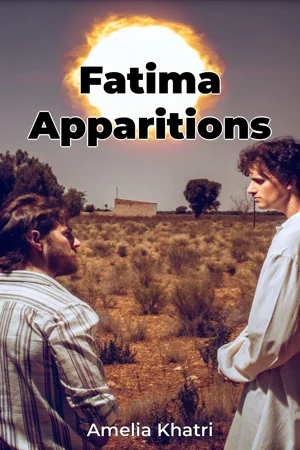
What if the fate of the world rested on the shoulders of three humble shepherd children? This book, "Fatima Apparitions," delves into the captivating and controversial events surrounding the reported Marian apparitions in Fatima, Portugal, in 1917, a period defined by global conflict and societal upheaval. We explore the core themes of faith, prophecy, and the enduring impact of religious experiences on the 20th century and beyond. The significance of Fatima cannot be overstated. At a time when Europe was engulfed in World War I and atheistic ideologies were gaining traction, the message of Fatima offered hope, penance, and a stark warning. Understanding these events provides insight into the religious and cultural climate of the era, as well as the ongoing relevance of faith in a secularizing world. This examination requires a grasp of early 20th-century European history, particularly the political and social turmoil of the time, and a basic understanding of Catholic teachings on Marian devotion and prophecy. This book's central argument is that the Fatima apparitions, regardless of one's personal beliefs about their supernatural origin, represent a pivotal moment in modern religious history, shaping Catholic piety, influencing geopolitical events, and sparking enduring debates about faith, reason, and the role of the divine in human affairs. The narrative unfolds in three distinct parts. First, it introduces the historical context of Fatima and the biographies of the three visionaries: Lúcia Santos and her cousins Jacinta and Francisco Marto. It explores the initial reports of angelic visitations, followed by the apparitions of the Virgin Mary, culminating in the Miracle of the Sun witnessed by thousands. Second, the book delves into the three secrets revealed to the children, examining their content, interpretations, and impact on the Church and the world. This section analyzes the prophecies related to wars, the rise and fall of communism, and the persecution of the Church. Third, it assesses the legacy of Fatima in the 21st century, considering its continued influence on Catholic spirituality, its role in shaping anti-communist sentiment during the Cold War, and the ongoing controversies surrounding the interpretation of the secrets. The concluding chapter explores the practical implications of the Fatima message for contemporary believers, emphasizing themes of prayer, penance, and devotion to the Immaculate Heart of Mary. The content presented is based on a range of sources, including official Church documents, eyewitness accounts, biographical materials, and theological analyses. It incorporates research from historians, theologians, and social scientists who have studied the Fatima phenomenon from various perspectives. Special attention is given to primary source materials, such as the memoirs of Sister Lúcia and the testimonies of witnesses to the Miracle of the Sun, carefully considering possible biases and limitations within these sources. “Fatima Apparitions” engages with interdisciplinary perspectives, connecting religious history with political science through an exploration of Fatima's influence on anti-communism; sociology via the study of collective religious experiences and their impact on social movements; and psychology by considering the phenomena of religious visions and their effects on individuals' lives. The book adopts a balanced and objective approach, presenting the facts and arguments surrounding the Fatima apparitions in a way that is accessible to a wide audience. While acknowledging the religious significance of Fatima for Catholics, the analysis remains grounded in historical evidence and critical inquiry. The target audience includes readers interested in religious history, Marian apparitions, Catholic spirituality, and the intersection of religion and politics. It is valuable to both believers seeking a deeper understanding of the Fatima message and skeptics interested in exploring the historical and social context of these events. As a work of religious history, the book adheres to scholarly standards of accuracy, objectivity, and careful source citation. It presents a comprehensive overview of the Fatima apparitions, acknowledging the limits of historical knowledge and the ongoing debates surrounding the interpretation of these events. It does not attempt to prove or disprove the supernatural origin of the apparitions, but rather to analyze their historical and cultural significance. The information provided can be applied practically by readers seeking to understand the role of faith in shaping historical events, the complexities of religious belief, and the enduring power of religious narratives. The book addresses lingering controversies, such as the varying interpretations of the Third Secret and the critiques leveled against the Church's handling of the Fatima message over time. By examining these debates, the book provides a comprehensive and nuanced understanding of the Fatima phenomenon.
What if the fate of the world rested on the shoulders of three humble shepherd children? This book, "Fatima Apparitions," delves into the captivating and controversial events surrounding the reported Marian apparitions in Fatima, Portugal, in 1917, a period defined by global conflict and societal upheaval. We explore the core themes of faith, prophecy, and the enduring impact of religious experiences on the 20th century and beyond. The significance of Fatima cannot be overstated. At a time when Europe was engulfed in World War I and atheistic ideologies were gaining traction, the message of Fatima offered hope, penance, and a stark warning. Understanding these events provides insight into the religious and cultural climate of the era, as well as the ongoing relevance of faith in a secularizing world. This examination requires a grasp of early 20th-century European history, particularly the political and social turmoil of the time, and a basic understanding of Catholic teachings on Marian devotion and prophecy. This book's central argument is that the Fatima apparitions, regardless of one's personal beliefs about their supernatural origin, represent a pivotal moment in modern religious history, shaping Catholic piety, influencing geopolitical events, and sparking enduring debates about faith, reason, and the role of the divine in human affairs. The narrative unfolds in three distinct parts. First, it introduces the historical context of Fatima and the biographies of the three visionaries: Lúcia Santos and her cousins Jacinta and Francisco Marto. It explores the initial reports of angelic visitations, followed by the apparitions of the Virgin Mary, culminating in the Miracle of the Sun witnessed by thousands. Second, the book delves into the three secrets revealed to the children, examining their content, interpretations, and impact on the Church and the world. This section analyzes the prophecies related to wars, the rise and fall of communism, and the persecution of the Church. Third, it assesses the legacy of Fatima in the 21st century, considering its continued influence on Catholic spirituality, its role in shaping anti-communist sentiment during the Cold War, and the ongoing controversies surrounding the interpretation of the secrets. The concluding chapter explores the practical implications of the Fatima message for contemporary believers, emphasizing themes of prayer, penance, and devotion to the Immaculate Heart of Mary. The content presented is based on a range of sources, including official Church documents, eyewitness accounts, biographical materials, and theological analyses. It incorporates research from historians, theologians, and social scientists who have studied the Fatima phenomenon from various perspectives. Special attention is given to primary source materials, such as the memoirs of Sister Lúcia and the testimonies of witnesses to the Miracle of the Sun, carefully considering possible biases and limitations within these sources. “Fatima Apparitions” engages with interdisciplinary perspectives, connecting religious history with political science through an exploration of Fatima's influence on anti-communism; sociology via the study of collective religious experiences and their impact on social movements; and psychology by considering the phenomena of religious visions and their effects on individuals' lives. The book adopts a balanced and objective approach, presenting the facts and arguments surrounding the Fatima apparitions in a way that is accessible to a wide audience. While acknowledging the religious significance of Fatima for Catholics, the analysis remains grounded in historical evidence and critical inquiry. The target audience includes readers interested in religious history, Marian apparitions, Catholic spirituality, and the intersection of religion and politics. It is valuable to both believers seeking a deeper understanding of the Fatima message and skeptics interested in exploring the historical and social context of these events. As a work of religious history, the book adheres to scholarly standards of accuracy, objectivity, and careful source citation. It presents a comprehensive overview of the Fatima apparitions, acknowledging the limits of historical knowledge and the ongoing debates surrounding the interpretation of these events. It does not attempt to prove or disprove the supernatural origin of the apparitions, but rather to analyze their historical and cultural significance. The information provided can be applied practically by readers seeking to understand the role of faith in shaping historical events, the complexities of religious belief, and the enduring power of religious narratives. The book addresses lingering controversies, such as the varying interpretations of the Third Secret and the critiques leveled against the Church's handling of the Fatima message over time. By examining these debates, the book provides a comprehensive and nuanced understanding of the Fatima phenomenon.
"Fatima Apparitions" explores the religious history surrounding the reported Marian apparitions in Fatima, Portugal, in 1917. This period, marked by World War I, saw the emergence of messages emphasizing faith, penance, and warnings, influencing both the Catholic world and wider geopolitical events. The book investigates how these events shaped Catholic piety, influenced anti-communist sentiments, and sparked lasting debates about faith and reason. One intriguing aspect is the "Miracle of the Sun," witnessed by thousands, adding a layer of mystique to the apparitions. The book unfolds by first introducing the historical context and biographies of the three visionaries: Lúcia Santos, Jacinta Marto, and Francisco Marto. It then delves into the three secrets revealed to the children, analyzing their interpretations and impact. Finally, it assesses Fatima's legacy in the 21st century, addressing controversies and exploring its practical implications for contemporary believers. It presents information from Church documents, eyewitness accounts, and scholarly analyses, aiming to provide a balanced understanding of the Fatima phenomenon.
Book Details
ISBN
9788233962142
Publisher
Publifye AS
Your Licenses
You don't own any licenses for this book
Purchase a license below to unlock this book and download the EPUB.
Purchase License
Select a tier to unlock this book
Need bulk licensing?
Contact us for enterprise agreements.