
About This Book
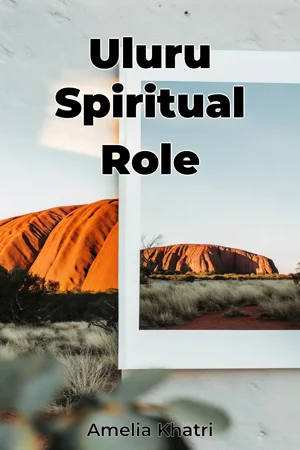
Have you ever considered a single rock formation as a living, breathing entity, central to the spiritual and cultural identity of an entire people? This book, "Uluru Spiritual Role," delves into the profound spiritual significance of Uluru for Australia’s Aboriginal people, exploring its historical context, religious importance, and enduring legacy. This book addresses two overarching themes: understanding the layers of Aboriginal spirituality connected to Uluru and exploring how this spirituality has persisted and evolved through interactions with colonial and post-colonial Australia. These themes are crucial because they unlock a deeper understanding of Aboriginal culture and the ongoing need for respect and preservation of Indigenous heritage. Uluru, a massive sandstone monolith in the heart of Australia, is not simply a geological phenomenon. It is a deeply sacred site, central to the cosmology, law, and identity of the Anangu people, its traditional custodians. Understanding the historical and social context of the Anangu people, their connection to the land, and their rich oral traditions is essential to grasp Uluru’s sacred role. This book will provide this context, examining the Anangu's history, their traditional laws (Tjukurpa), and their continuing connection to their ancestral lands. The central argument of "Uluru Spiritual Role" is that Uluru represents more than just a physical landmark; it embodies the living history, spiritual beliefs, and cultural continuity of the Anangu people. This argument underscores the vital importance of respecting and protecting Indigenous cultural heritage in an era of increasing globalization and development. It is particularly relevant in modern discussions surrounding land rights, cultural preservation, and reconciliation efforts. The book progresses as follows: First, it introduces the Anangu people and their foundational beliefs regarding the Tjukurpa (creation stories or Dreamtime). Second, it explores Uluru's specific spiritual significance, detailing the various ancestral beings associated with the rock and the meanings behind its physical features and surrounding landscape. Third, it analyzes the impact of colonial contact and tourism on Anangu culture and the ongoing struggle to balance cultural preservation with economic development. Finally, it considers the implications of Uluru's spiritual significance for broader issues of Indigenous rights, environmental conservation, and intercultural understanding. The evidence presented in this book draws from a range of sources, including anthropological studies, historical records, oral histories collected from Anangu elders, and analyses of Anangu art and ceremonies. The book also references scientific studies of the Uluru region to provide a balanced, multidisciplinary perspective. This study connects to other fields such as anthropology, religious studies, environmental studies, and post-colonial studies. Each connection enriches the book's argument by providing a broader understanding of the cultural, environmental, and historical factors that shape Uluru’s spiritual role. This book distinguishes itself by adopting a respectful and culturally sensitive approach, prioritizing Anangu voices and perspectives. It does not aim to impose an external interpretation but rather seeks to illuminate the Anangu understanding of Uluru’s sacredness. The book employs a descriptive and analytical writing style, maintaining a tone that is both informative and respectful. It targets readers interested in Indigenous cultures, religion, history, and Australian studies. Anyone seeking a deeper understanding of Aboriginal spirituality and the importance of cultural preservation will find this book valuable. The book addresses the historical and religious aspects of the Anangu people, in line with expectations for historical and religious non-fiction. The scope primarily focuses on the spiritual and cultural aspects of Uluru, without delving extensively into its geological formation or broader Australian history. The insights from this book can be applied in practical ways, such as informing sustainable tourism practices, supporting Indigenous-led conservation efforts, and promoting intercultural dialogue and understanding. The book also touches on controversies surrounding tourism at Uluru, including debates over climbing the rock and the balance between economic benefits and cultural respect. "Uluru Spiritual Role" offers a comprehensive and respectful exploration of a site of profound spiritual significance, providing readers with a richer understanding of Aboriginal culture and the importance of protecting Indigenous heritage.
Have you ever considered a single rock formation as a living, breathing entity, central to the spiritual and cultural identity of an entire people? This book, "Uluru Spiritual Role," delves into the profound spiritual significance of Uluru for Australia’s Aboriginal people, exploring its historical context, religious importance, and enduring legacy. This book addresses two overarching themes: understanding the layers of Aboriginal spirituality connected to Uluru and exploring how this spirituality has persisted and evolved through interactions with colonial and post-colonial Australia. These themes are crucial because they unlock a deeper understanding of Aboriginal culture and the ongoing need for respect and preservation of Indigenous heritage. Uluru, a massive sandstone monolith in the heart of Australia, is not simply a geological phenomenon. It is a deeply sacred site, central to the cosmology, law, and identity of the Anangu people, its traditional custodians. Understanding the historical and social context of the Anangu people, their connection to the land, and their rich oral traditions is essential to grasp Uluru’s sacred role. This book will provide this context, examining the Anangu's history, their traditional laws (Tjukurpa), and their continuing connection to their ancestral lands. The central argument of "Uluru Spiritual Role" is that Uluru represents more than just a physical landmark; it embodies the living history, spiritual beliefs, and cultural continuity of the Anangu people. This argument underscores the vital importance of respecting and protecting Indigenous cultural heritage in an era of increasing globalization and development. It is particularly relevant in modern discussions surrounding land rights, cultural preservation, and reconciliation efforts. The book progresses as follows: First, it introduces the Anangu people and their foundational beliefs regarding the Tjukurpa (creation stories or Dreamtime). Second, it explores Uluru's specific spiritual significance, detailing the various ancestral beings associated with the rock and the meanings behind its physical features and surrounding landscape. Third, it analyzes the impact of colonial contact and tourism on Anangu culture and the ongoing struggle to balance cultural preservation with economic development. Finally, it considers the implications of Uluru's spiritual significance for broader issues of Indigenous rights, environmental conservation, and intercultural understanding. The evidence presented in this book draws from a range of sources, including anthropological studies, historical records, oral histories collected from Anangu elders, and analyses of Anangu art and ceremonies. The book also references scientific studies of the Uluru region to provide a balanced, multidisciplinary perspective. This study connects to other fields such as anthropology, religious studies, environmental studies, and post-colonial studies. Each connection enriches the book's argument by providing a broader understanding of the cultural, environmental, and historical factors that shape Uluru’s spiritual role. This book distinguishes itself by adopting a respectful and culturally sensitive approach, prioritizing Anangu voices and perspectives. It does not aim to impose an external interpretation but rather seeks to illuminate the Anangu understanding of Uluru’s sacredness. The book employs a descriptive and analytical writing style, maintaining a tone that is both informative and respectful. It targets readers interested in Indigenous cultures, religion, history, and Australian studies. Anyone seeking a deeper understanding of Aboriginal spirituality and the importance of cultural preservation will find this book valuable. The book addresses the historical and religious aspects of the Anangu people, in line with expectations for historical and religious non-fiction. The scope primarily focuses on the spiritual and cultural aspects of Uluru, without delving extensively into its geological formation or broader Australian history. The insights from this book can be applied in practical ways, such as informing sustainable tourism practices, supporting Indigenous-led conservation efforts, and promoting intercultural dialogue and understanding. The book also touches on controversies surrounding tourism at Uluru, including debates over climbing the rock and the balance between economic benefits and cultural respect. "Uluru Spiritual Role" offers a comprehensive and respectful exploration of a site of profound spiritual significance, providing readers with a richer understanding of Aboriginal culture and the importance of protecting Indigenous heritage.
"Uluru Spiritual Role" explores the profound spiritual significance of Uluru for Australia's Aboriginal people, particularly the Anangu. It delves into the site's historical context, religious importance rooted in Dreamtime (Tjukurpa) stories, and enduring legacy as a sacred site. The book illuminates how Uluru embodies the living history, spiritual beliefs, and cultural continuity of the Anangu, serving not merely as a physical landmark but as a central element of their cosmology and identity. Did you know that Uluru's physical features and surrounding landscape are imbued with meanings connected to ancestral beings? Or that the Anangu's traditional laws, Tjukurpa, are intrinsically linked to the land? This exploration provides a nuanced understanding of how Aboriginal spirituality has persisted and evolved through interactions with colonial and post-colonial Australia. The book progresses by first introducing the Anangu and their foundational beliefs, then delving into Uluru's specific spiritual significance, and finally analyzing the impact of colonial contact and tourism on Anangu culture. It also examines controversies, such as debates over climbing the rock, balancing economic benefits with cultural respect, and the broader implications for Indigenous land rights and environmental conservation. The book's strength lies in its respectful and culturally sensitive approach, prioritizing Anangu voices in understanding Uluru's sacredness.
Book Details
ISBN
9788233962135
Publisher
Publifye AS
Your Licenses
You don't own any licenses for this book
Purchase a license below to unlock this book and download the EPUB.
Purchase License
Select a tier to unlock this book
Need bulk licensing?
Contact us for enterprise agreements.