
About This Book
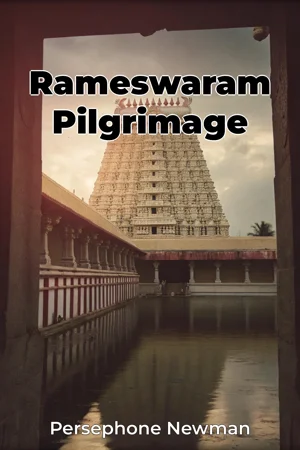
Have you ever wondered how a seemingly remote island became a crucible of faith, history, and architectural marvel? "Rameswaram Pilgrimage" delves into the heart of Rameswaram, a significant Hindu pilgrimage site, not merely as a place of worship but as a confluence of cultural, historical, and spiritual significance intricately linked to the epic Ramayana and the pursuit of spiritual purification. This book explores the multifaceted dimensions of Rameswaram, examining its religious importance, architectural grandeur, and enduring legacy. This book undertakes a comprehensive exploration of Rameswaram's core elements: its deep-rooted connection to Lord Rama, the magnificent Ramanathaswamy Temple, and the rituals facilitating spiritual cleansing. Rameswaram's association with Lord Rama's journey to Lanka to rescue Sita elevates it beyond a mere religious site; it becomes a living testament to devotion, righteousness, and triumph over adversity. The Ramanathaswamy Temple stands as a colossal monument to Dravidian architecture. The temple's intricate carvings, extensive corridors, and numerous sacred wells contribute to its spiritual significance, embodying architectural and engineering prowess. The book also details the various rituals and practices associated with spiritual purification in Rameswaram, shedding light on their symbolism, historical context, and continued relevance for pilgrims seeking inner transformation. To fully appreciate Rameswaram's significance, a basic understanding of the Ramayana and Hindu pilgrimage traditions is beneficial. The book provides a concise overview of these elements, enabling readers to grasp the epic's influence and the underlying principles guiding Hindu pilgrimage. Historical context regarding the Chola, Pandya, and Nayaka dynasties, who contributed to the temple's expansion and patronage, is also provided. The central argument of "Rameswaram Pilgrimage" is that Rameswaram is more than just a religious destination; it is a cultural repository reflecting centuries of devotion, architectural ingenuity, and evolving spiritual practices. By examining Rameswaram through multiple lenses, the book reveals its lasting impact and provides readers with a new understanding of this significant site. The book begins with an introduction to Rameswaram's historical context and geographical significance. It then explores the legend of Lord Rama's journey, weaving together accounts from the Ramayana with local traditions. The architectural marvel of the Ramanathaswamy Temple is examined in detail, focusing on its unique features, construction history, and symbolism. The subsequent chapters delve into the rituals and practices associated with spiritual purification, including the significance of the 22 sacred wells and the various ceremonies performed by pilgrims. The book culminates with a discussion of Rameswaram's contemporary relevance and its role in preserving Hindu traditions. The book draws upon diverse sources, including historical records, architectural surveys, religious texts, and on-site observations. Interviews with temple priests, local residents, and pilgrims provide firsthand accounts and perspectives, adding depth to the narrative. The research methodology combines historical analysis, architectural documentation, and ethnographic research. "Rameswaram Pilgrimage" intersects with several fields of study, including history, architecture, religious studies, and cultural anthropology. The book examines the historical evolution of Rameswaram, analyzing the architectural styles of the Ramanathaswamy Temple, exploring Hindu beliefs and practices, and investigating the cultural impact of pilgrimage on the local community. This book stands out by providing a balanced and nuanced perspective on Rameswaram, avoiding both blind reverence and dismissive skepticism. It presents a multifaceted portrait of the site, acknowledging its historical complexities, architectural grandeur, and spiritual significance. The book adopts a narrative non-fiction style, blending scholarly research with engaging storytelling to make the information accessible and captivating for a broad audience. The target audience includes individuals interested in Hindu pilgrimage sites, Indian history and architecture, religious studies, and cultural tourism. The book is valuable for pilgrims seeking a deeper understanding of Rameswaram's significance, students and scholars researching related topics, and readers interested in exploring the intersection of religion, history, and culture. Adhering to the conventions of travel and religious non-fiction, "Rameswaram Pilgrimage" provides accurate information, insightful analysis, and vivid descriptions while respecting cultural sensitivities. It offers a comprehensive overview of Rameswaram without delving into excessively esoteric or controversial topics, focusing instead on providing a balanced and informative account. While the book offers a comprehensive overview of Rameswaram, it primarily focuses on the Ramanathaswamy Temple and its immediate surroundings. It does not delve extensively into the broader political history of the region or explore every aspect of local folklore. The information in "Rameswaram Pilgrimage" can be applied practically by travelers planning a trip to Rameswaram, providing them with a deeper understanding of the site's historical, architectural, and spiritual significance. It can also be used by educators and students seeking to learn more about Hindu pilgrimage and Indian culture.
Have you ever wondered how a seemingly remote island became a crucible of faith, history, and architectural marvel? "Rameswaram Pilgrimage" delves into the heart of Rameswaram, a significant Hindu pilgrimage site, not merely as a place of worship but as a confluence of cultural, historical, and spiritual significance intricately linked to the epic Ramayana and the pursuit of spiritual purification. This book explores the multifaceted dimensions of Rameswaram, examining its religious importance, architectural grandeur, and enduring legacy. This book undertakes a comprehensive exploration of Rameswaram's core elements: its deep-rooted connection to Lord Rama, the magnificent Ramanathaswamy Temple, and the rituals facilitating spiritual cleansing. Rameswaram's association with Lord Rama's journey to Lanka to rescue Sita elevates it beyond a mere religious site; it becomes a living testament to devotion, righteousness, and triumph over adversity. The Ramanathaswamy Temple stands as a colossal monument to Dravidian architecture. The temple's intricate carvings, extensive corridors, and numerous sacred wells contribute to its spiritual significance, embodying architectural and engineering prowess. The book also details the various rituals and practices associated with spiritual purification in Rameswaram, shedding light on their symbolism, historical context, and continued relevance for pilgrims seeking inner transformation. To fully appreciate Rameswaram's significance, a basic understanding of the Ramayana and Hindu pilgrimage traditions is beneficial. The book provides a concise overview of these elements, enabling readers to grasp the epic's influence and the underlying principles guiding Hindu pilgrimage. Historical context regarding the Chola, Pandya, and Nayaka dynasties, who contributed to the temple's expansion and patronage, is also provided. The central argument of "Rameswaram Pilgrimage" is that Rameswaram is more than just a religious destination; it is a cultural repository reflecting centuries of devotion, architectural ingenuity, and evolving spiritual practices. By examining Rameswaram through multiple lenses, the book reveals its lasting impact and provides readers with a new understanding of this significant site. The book begins with an introduction to Rameswaram's historical context and geographical significance. It then explores the legend of Lord Rama's journey, weaving together accounts from the Ramayana with local traditions. The architectural marvel of the Ramanathaswamy Temple is examined in detail, focusing on its unique features, construction history, and symbolism. The subsequent chapters delve into the rituals and practices associated with spiritual purification, including the significance of the 22 sacred wells and the various ceremonies performed by pilgrims. The book culminates with a discussion of Rameswaram's contemporary relevance and its role in preserving Hindu traditions. The book draws upon diverse sources, including historical records, architectural surveys, religious texts, and on-site observations. Interviews with temple priests, local residents, and pilgrims provide firsthand accounts and perspectives, adding depth to the narrative. The research methodology combines historical analysis, architectural documentation, and ethnographic research. "Rameswaram Pilgrimage" intersects with several fields of study, including history, architecture, religious studies, and cultural anthropology. The book examines the historical evolution of Rameswaram, analyzing the architectural styles of the Ramanathaswamy Temple, exploring Hindu beliefs and practices, and investigating the cultural impact of pilgrimage on the local community. This book stands out by providing a balanced and nuanced perspective on Rameswaram, avoiding both blind reverence and dismissive skepticism. It presents a multifaceted portrait of the site, acknowledging its historical complexities, architectural grandeur, and spiritual significance. The book adopts a narrative non-fiction style, blending scholarly research with engaging storytelling to make the information accessible and captivating for a broad audience. The target audience includes individuals interested in Hindu pilgrimage sites, Indian history and architecture, religious studies, and cultural tourism. The book is valuable for pilgrims seeking a deeper understanding of Rameswaram's significance, students and scholars researching related topics, and readers interested in exploring the intersection of religion, history, and culture. Adhering to the conventions of travel and religious non-fiction, "Rameswaram Pilgrimage" provides accurate information, insightful analysis, and vivid descriptions while respecting cultural sensitivities. It offers a comprehensive overview of Rameswaram without delving into excessively esoteric or controversial topics, focusing instead on providing a balanced and informative account. While the book offers a comprehensive overview of Rameswaram, it primarily focuses on the Ramanathaswamy Temple and its immediate surroundings. It does not delve extensively into the broader political history of the region or explore every aspect of local folklore. The information in "Rameswaram Pilgrimage" can be applied practically by travelers planning a trip to Rameswaram, providing them with a deeper understanding of the site's historical, architectural, and spiritual significance. It can also be used by educators and students seeking to learn more about Hindu pilgrimage and Indian culture.
"Rameswaram Pilgrimage" explores Rameswaram as more than just a Hindu pilgrimage site; it's a vibrant nexus of culture, history, and spiritual significance, deeply rooted in the Ramayana. The book examines the island's religious importance, highlights the magnificent Ramanathaswamy Temple, and delves into rituals for spiritual purification. Rameswaram's connection to Lord Rama's journey to Lanka transforms it into a living testament of devotion, while the Ramanathaswamy Temple embodies architectural and engineering brilliance with its intricate carvings and sacred wells. The book provides context by outlining the influence of the Ramayana and Hindu pilgrimage traditions. It journeys through Rameswaram's history, connecting the legend of Lord Rama with local customs. Subsequent chapters explore the architectural wonders of the Ramanathaswamy Temple, the significance of its 22 wells, and the spiritual practices integral to the pilgrimage experience, offering a balanced view of Rameswaram's historical complexities, architectural grandeur, and spiritual meaning.
Book Details
ISBN
9788233962067
Publisher
Publifye AS
Your Licenses
You don't own any licenses for this book
Purchase a license below to unlock this book and download the EPUB.
Purchase License
Select a tier to unlock this book
Need bulk licensing?
Contact us for enterprise agreements.