
About This Book
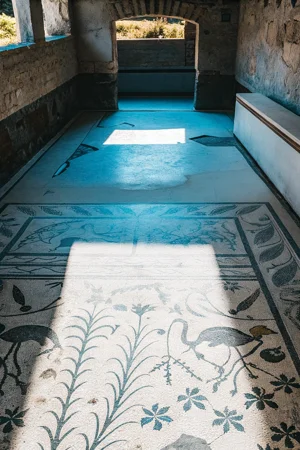
What secrets lie shrouded atop Mount Nebo, the revered peak where Moses is traditionally believed to have gazed upon the Promised Land before his death? "Mount Nebo Mystery" delves into the history, archaeology, and biblical significance of this sacred site, exploring its transformation from ancient religious landmark to a point of pilgrimage and contemplation. The book examines three central themes: the historicity of the Moses narrative as it relates to Mount Nebo; the archaeological evidence uncovered at the site, particularly within the memorial church and monastery; and the evolving interpretations of Mount Nebo's spiritual importance across different religious traditions. These topics are crucial for understanding not only the specific history of Mount Nebo, but also the broader role of sacred landscapes in shaping religious identity and practice. To fully appreciate the complexities of Mount Nebo's history, readers will gain an understanding of the late Bronze Age and Iron Age cultures that inhabited the region of Moab, as well as the development of the Israelite narrative concerning the Exodus and the subsequent conquest of Canaan. Familiarity with the basic outlines of the Book of Deuteronomy, where Moses's death and burial are recounted, is helpful, though not strictly required. The central argument of "Mount Nebo Mystery" is that while definitive proof of Moses's presence on the mountain remains elusive, the enduring significance of Mount Nebo stems from its powerful symbolic role within Jewish, Christian, and Islamic traditions, a role that has been actively constructed and reinterpreted over centuries. This argument matters because it shifts the focus from a purely historical quest for verification to an exploration of the mountain's profound cultural and religious impact. The book's structure begins with an introduction to the biblical narrative surrounding Moses and the Exodus, emphasizing the geopolitical landscape of the time. It then proceeds to examine the archaeological excavations at Mount Nebo, detailing the discovery of Byzantine-era mosaics, chapels, and other structures. A significant portion of the book is dedicated to analyzing the various artistic and literary interpretations of Moses's final gaze from Mount Nebo throughout history. Next, the book will discuss the ways in which Mount Nebo continues to function as a site of pilgrimage and spiritual reflection, highlighting the experiences of modern-day visitors. The book concludes by considering the ethical implications of preserving and interpreting sacred sites like Mount Nebo in a context of conflicting historical and religious claims. The evidence presented in "Mount Nebo Mystery" is drawn from primary archaeological reports, historical texts, and secondary scholarly analyses of biblical literature and religious art. Unique data sources include detailed photographic documentation of the mosaics and architectural remains at Mount Nebo, as well as accounts from pilgrims who have visited the site. This book intersects with the fields of art history, focusing on the iconography of Moses in Byzantine art; anthropology, examining the cultural practices of pilgrimage; and political science, analyzing the tensions surrounding sacred sites in contested territories. These connections enhance the book's argument by providing a multifaceted perspective on the complex history and cultural significance of Mount Nebo. "Mount Nebo Mystery" adopts a balanced and objective tone, presenting various interpretations of the evidence without advocating for any single viewpoint. The writing style is accessible to a general audience while maintaining scholarly rigor. The target audience includes readers interested in biblical history, archaeology, religious studies, and the history of the Middle East. It would be of interest to students, scholars, and anyone planning to visit or learn more about Mount Nebo. As a work of historical and biblical studies, "Mount Nebo Mystery" adheres to the conventions of academic non-fiction, including thorough referencing, detailed analysis of sources, and a commitment to presenting differing viewpoints. The book's scope is limited to the specific history and significance of Mount Nebo, rather than attempting a comprehensive overview of the entire Exodus narrative or the history of the region. The information in this book can be applied by readers to better understand the role of sacred sites in shaping religious identity, to appreciate the complex interplay between history, archaeology, and belief, and to engage more thoughtfully with discussions about the interpretation and preservation of cultural heritage. The book addresses ongoing debates about the historicity of the Exodus narrative and the appropriate ways to interpret archaeological evidence in relation to biblical accounts.
What secrets lie shrouded atop Mount Nebo, the revered peak where Moses is traditionally believed to have gazed upon the Promised Land before his death? "Mount Nebo Mystery" delves into the history, archaeology, and biblical significance of this sacred site, exploring its transformation from ancient religious landmark to a point of pilgrimage and contemplation. The book examines three central themes: the historicity of the Moses narrative as it relates to Mount Nebo; the archaeological evidence uncovered at the site, particularly within the memorial church and monastery; and the evolving interpretations of Mount Nebo's spiritual importance across different religious traditions. These topics are crucial for understanding not only the specific history of Mount Nebo, but also the broader role of sacred landscapes in shaping religious identity and practice. To fully appreciate the complexities of Mount Nebo's history, readers will gain an understanding of the late Bronze Age and Iron Age cultures that inhabited the region of Moab, as well as the development of the Israelite narrative concerning the Exodus and the subsequent conquest of Canaan. Familiarity with the basic outlines of the Book of Deuteronomy, where Moses's death and burial are recounted, is helpful, though not strictly required. The central argument of "Mount Nebo Mystery" is that while definitive proof of Moses's presence on the mountain remains elusive, the enduring significance of Mount Nebo stems from its powerful symbolic role within Jewish, Christian, and Islamic traditions, a role that has been actively constructed and reinterpreted over centuries. This argument matters because it shifts the focus from a purely historical quest for verification to an exploration of the mountain's profound cultural and religious impact. The book's structure begins with an introduction to the biblical narrative surrounding Moses and the Exodus, emphasizing the geopolitical landscape of the time. It then proceeds to examine the archaeological excavations at Mount Nebo, detailing the discovery of Byzantine-era mosaics, chapels, and other structures. A significant portion of the book is dedicated to analyzing the various artistic and literary interpretations of Moses's final gaze from Mount Nebo throughout history. Next, the book will discuss the ways in which Mount Nebo continues to function as a site of pilgrimage and spiritual reflection, highlighting the experiences of modern-day visitors. The book concludes by considering the ethical implications of preserving and interpreting sacred sites like Mount Nebo in a context of conflicting historical and religious claims. The evidence presented in "Mount Nebo Mystery" is drawn from primary archaeological reports, historical texts, and secondary scholarly analyses of biblical literature and religious art. Unique data sources include detailed photographic documentation of the mosaics and architectural remains at Mount Nebo, as well as accounts from pilgrims who have visited the site. This book intersects with the fields of art history, focusing on the iconography of Moses in Byzantine art; anthropology, examining the cultural practices of pilgrimage; and political science, analyzing the tensions surrounding sacred sites in contested territories. These connections enhance the book's argument by providing a multifaceted perspective on the complex history and cultural significance of Mount Nebo. "Mount Nebo Mystery" adopts a balanced and objective tone, presenting various interpretations of the evidence without advocating for any single viewpoint. The writing style is accessible to a general audience while maintaining scholarly rigor. The target audience includes readers interested in biblical history, archaeology, religious studies, and the history of the Middle East. It would be of interest to students, scholars, and anyone planning to visit or learn more about Mount Nebo. As a work of historical and biblical studies, "Mount Nebo Mystery" adheres to the conventions of academic non-fiction, including thorough referencing, detailed analysis of sources, and a commitment to presenting differing viewpoints. The book's scope is limited to the specific history and significance of Mount Nebo, rather than attempting a comprehensive overview of the entire Exodus narrative or the history of the region. The information in this book can be applied by readers to better understand the role of sacred sites in shaping religious identity, to appreciate the complex interplay between history, archaeology, and belief, and to engage more thoughtfully with discussions about the interpretation and preservation of cultural heritage. The book addresses ongoing debates about the historicity of the Exodus narrative and the appropriate ways to interpret archaeological evidence in relation to biblical accounts.
"Mount Nebo Mystery" explores the historical, archaeological, and religious significance of Mount Nebo, traditionally believed to be where Moses viewed the Promised Land. It examines the historicity of the Moses narrative, the archaeological evidence found at the site, including stunning Byzantine mosaics, and the mountain's evolving spiritual importance across different religious traditions. The book highlights how Mount Nebo's symbolic role has been constructed and reinterpreted over centuries, impacting Jewish, Christian, and Islamic traditions. The book progresses by first introducing the biblical narrative of Moses and the Exodus, then detailing the archaeological excavations that uncovered the memorial church and monastery. It analyzes artistic and literary interpretations of Moses's final gaze and explores Mount Nebo as a modern pilgrimage site. Ultimately, "Mount Nebo Mystery" provides an understanding of how sacred landscapes shape religious identity and the complex interplay between history, archaeology, and belief.
Book Details
ISBN
9788233962012
Publisher
Publifye AS
Your Licenses
You don't own any licenses for this book
Purchase a license below to unlock this book and download the EPUB.
Purchase License
Select a tier to unlock this book
Need bulk licensing?
Contact us for enterprise agreements.