
About This Book
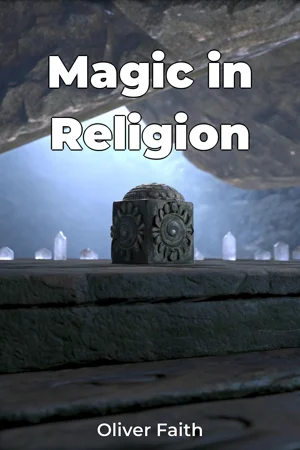
Does the separation of "magic" from "religion" truly reflect the historical and anthropological realities of human belief systems? "Magic in Religion" challenges conventional understandings by exploring the pervasive presence of magical thinking, rituals, and supernatural beliefs within diverse religious traditions worldwide. This book delves into the intricate ways in which practices often labeled as "magical" are deeply interwoven with religious frameworks, influencing everything from personal spiritual experiences to communal practices. We will examine how so-called magical elements like exorcisms, shamanic healing, divination, and the use of amulets and talismans are not merely superstitious add-ons but integral components of many religious systems. Understanding this interconnectedness is crucial for a more nuanced appreciation of religious phenomena and the human quest for meaning and control in the face of uncertainty. The book provides historical and anthropological context, tracing the evolution of scholarly perspectives on magic and religion from early anthropological theories to contemporary approaches. It considers the influence of social, cultural, and political factors on the construction of these categories. Readers do not require extensive prior knowledge, as key concepts and theories will be explained clearly throughout the text. The central argument posits that the distinction between magic and religion is often artificial and culturally constructed, reflecting Western biases and failing to capture the emic perspectives of many religious practitioners. By demonstrating the inherent overlap and mutual influence between these realms, the book aims to foster a more holistic and empathetic understanding of human spirituality. The book is structured to progressively build its argument. Initially, foundational concepts of magic, religion, and ritual are introduced and defined. Subsequently, case studies from a variety of cultures and religious traditions will illustrate the integration of magical practices within religious contexts. These cases encompass healing rituals in indigenous religions, exorcism practices within Christianity and Islam, and the use of divination in various spiritual traditions. The book culminates by discussing the implications of this integrated perspective for understanding religious belief, practice, and social function. It examines the persistence of magical thinking in modern societies and the ways in which it continues to shape religious experiences. The evidence presented is drawn from a wide array of sources, including ethnographic studies, historical documents, archaeological findings, and analyses of religious texts. The book adopts an interdisciplinary approach drawing from anthropology, religious studies, history, and sociology. This allows for a comprehensive analysis of the complex relationship between magic and religion. The book connects to fields such as psychology, exploring the cognitive and emotional dimensions of belief and ritual, as well as political science, considering the role of magic and religion in shaping social power dynamics. One innovative aspect is the book's emphasis on challenging the Western-centric view that often marginalizes or dismisses non-Western religious practices as "primitive magic." It presents a balanced and respectful portrayal of diverse belief systems, highlighting the agency and rationality of religious practitioners. The tone is academic but accessible, aiming to engage a broad audience interested in religion, spirituality, and cultural studies. The writing style is clear and concise, avoiding jargon and technical terms whenever possible. The target audience includes students, scholars, and general readers interested in religion, anthropology, and cultural studies. It is valuable to those seeking a more nuanced understanding of religious phenomena and the human quest for meaning. As a work in the genres of Religion and Spirituality, "Magic in Religion" acknowledges the inherent subjectivity and diversity of religious experiences. The book's scope is broad, encompassing a wide range of religious traditions and cultural contexts, but it is intentionally limited to an academic exploration of the relationship between magic and religion, rather than a practical guide to specific magical techniques. The information presented can be applied to real-world contexts, such as interfaith dialogue, cultural sensitivity training, and understanding contemporary spiritual movements. The book addresses ongoing debates surrounding the definition of magic and religion, the role of power in shaping religious beliefs, and the impact of globalization on religious practices. It acknowledges different perspectives within the field and presents a balanced analysis of these complex issues.
Does the separation of "magic" from "religion" truly reflect the historical and anthropological realities of human belief systems? "Magic in Religion" challenges conventional understandings by exploring the pervasive presence of magical thinking, rituals, and supernatural beliefs within diverse religious traditions worldwide. This book delves into the intricate ways in which practices often labeled as "magical" are deeply interwoven with religious frameworks, influencing everything from personal spiritual experiences to communal practices. We will examine how so-called magical elements like exorcisms, shamanic healing, divination, and the use of amulets and talismans are not merely superstitious add-ons but integral components of many religious systems. Understanding this interconnectedness is crucial for a more nuanced appreciation of religious phenomena and the human quest for meaning and control in the face of uncertainty. The book provides historical and anthropological context, tracing the evolution of scholarly perspectives on magic and religion from early anthropological theories to contemporary approaches. It considers the influence of social, cultural, and political factors on the construction of these categories. Readers do not require extensive prior knowledge, as key concepts and theories will be explained clearly throughout the text. The central argument posits that the distinction between magic and religion is often artificial and culturally constructed, reflecting Western biases and failing to capture the emic perspectives of many religious practitioners. By demonstrating the inherent overlap and mutual influence between these realms, the book aims to foster a more holistic and empathetic understanding of human spirituality. The book is structured to progressively build its argument. Initially, foundational concepts of magic, religion, and ritual are introduced and defined. Subsequently, case studies from a variety of cultures and religious traditions will illustrate the integration of magical practices within religious contexts. These cases encompass healing rituals in indigenous religions, exorcism practices within Christianity and Islam, and the use of divination in various spiritual traditions. The book culminates by discussing the implications of this integrated perspective for understanding religious belief, practice, and social function. It examines the persistence of magical thinking in modern societies and the ways in which it continues to shape religious experiences. The evidence presented is drawn from a wide array of sources, including ethnographic studies, historical documents, archaeological findings, and analyses of religious texts. The book adopts an interdisciplinary approach drawing from anthropology, religious studies, history, and sociology. This allows for a comprehensive analysis of the complex relationship between magic and religion. The book connects to fields such as psychology, exploring the cognitive and emotional dimensions of belief and ritual, as well as political science, considering the role of magic and religion in shaping social power dynamics. One innovative aspect is the book's emphasis on challenging the Western-centric view that often marginalizes or dismisses non-Western religious practices as "primitive magic." It presents a balanced and respectful portrayal of diverse belief systems, highlighting the agency and rationality of religious practitioners. The tone is academic but accessible, aiming to engage a broad audience interested in religion, spirituality, and cultural studies. The writing style is clear and concise, avoiding jargon and technical terms whenever possible. The target audience includes students, scholars, and general readers interested in religion, anthropology, and cultural studies. It is valuable to those seeking a more nuanced understanding of religious phenomena and the human quest for meaning. As a work in the genres of Religion and Spirituality, "Magic in Religion" acknowledges the inherent subjectivity and diversity of religious experiences. The book's scope is broad, encompassing a wide range of religious traditions and cultural contexts, but it is intentionally limited to an academic exploration of the relationship between magic and religion, rather than a practical guide to specific magical techniques. The information presented can be applied to real-world contexts, such as interfaith dialogue, cultural sensitivity training, and understanding contemporary spiritual movements. The book addresses ongoing debates surrounding the definition of magic and religion, the role of power in shaping religious beliefs, and the impact of globalization on religious practices. It acknowledges different perspectives within the field and presents a balanced analysis of these complex issues.
"Magic in Religion" challenges the conventional separation between magic and religion, arguing that magical thinking, rituals, and supernatural beliefs are deeply interwoven within diverse religious traditions. The book explores how elements like exorcisms, divination, and the use of amulets are integral components of many religious systems, not merely superstitious add-ons. Understanding this interconnectedness provides a more nuanced appreciation of religious phenomena and the human quest for meaning. For example, the book highlights how healing rituals in indigenous religions demonstrate this integration. The book's strength lies in its interdisciplinary approach, drawing from anthropology, religious studies, history, and sociology to provide a comprehensive analysis. It challenges Western-centric views that marginalize non-Western religious practices. Progressing through foundational definitions of magic, religion, and ritual, the book presents case studies from various cultures, culminating in a discussion of implications for understanding religious belief and practice. This academic exploration fosters a holistic understanding of human spirituality.
Book Details
ISBN
9788233961978
Publisher
Publifye AS
Your Licenses
You don't own any licenses for this book
Purchase a license below to unlock this book and download the EPUB.
Purchase License
Select a tier to unlock this book
Need bulk licensing?
Contact us for enterprise agreements.