
About This Book
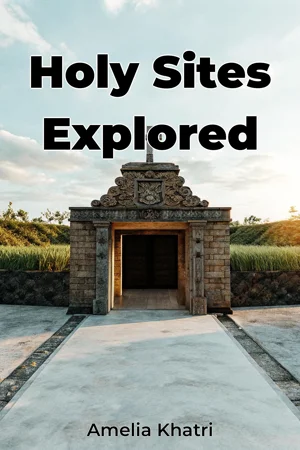
What makes a place sacred? This book, *Holy Sites Explored*, embarks on a journey to understand the profound significance of locations revered across diverse faiths and cultures. We delve into the heart of what constitutes a holy site, exploring how these places shape belief systems, inspire devotion, and influence global history. Our central argument is that holy sites are not merely geographical locations; they are living embodiments of faith, history, and collective memory, dynamically shaped by evolving cultural interpretations and enduring spiritual practices. Understanding these sites offers a crucial lens for comprehending the complex interplay between religion, culture, and human identity. *Holy Sites Explored* examines sites of immense religious importance, including Mecca, the spiritual center of Islam; Jerusalem, a city sacred to Judaism, Christianity, and Islam; Varanasi, a pivotal location in Hinduism; and Mount Sinai, a mountain revered in Judaism, Christianity, and Islam. These sites, along with others we will study, are key to understanding the historical development and contemporary practice of major world religions. The book is structured to provide a comprehensive understanding of these locations. It begins by defining the concept of "sacred space" and explores the various ways cultures imbue locations with religious meaning. We then dedicate individual chapters to in-depth explorations of several specific holy sites. Each chapter covers the site's historical background, its religious significance within its respective faith(s), its architectural features, and the rituals and practices associated with it. We also examine how these sites have been impacted by conflict, pilgrimage, and modernization. The evidence presented in *Holy Sites Explored* draws from a variety of sources, including archaeological findings, historical texts, religious scriptures, ethnographic studies of pilgrimage practices, and architectural analyses of sacred structures. We aim to provide a balanced and nuanced perspective, acknowledging the multiple interpretations and contested narratives associated with many of these sites. This book connects to several interdisciplinary fields. It intersects with Religious Studies by exploring the theological and spiritual significance of these sites. It links to History by examining the historical events and figures associated with them. It also relates to Anthropology through the study of cultural practices and the ways different societies interact with sacred spaces. These interdisciplinary connections enrich our understanding of the complex and multifaceted nature of holy sites. Our approach is to present a fact-based, analytical, and respectful exploration of these sacred places. We avoid sensationalism and aim to provide a clear and accessible account suitable for a broad audience. The book is written in a professional tone, intended to inform and engage readers interested in religion, history, and cultural studies. The target audience includes students of religion, history, and anthropology, as well as anyone interested in learning more about the world’s diverse religious traditions and their historical evolution. This book will be valuable to those seeking a deeper understanding of the cultural and religious forces that shape our world. This book aims to provide a broad overview of the concept of holy sites and focuses primarily on locations of global significance. While we acknowledge the vast number of locally and regionally important sacred places, the scope is intentionally limited to sites with widespread recognition and historical impact. The information presented in *Holy Sites Explored* can inform travel choices, promote interfaith dialogue, and foster a greater appreciation for the diversity of human religious experience. By understanding the significance of these sites, readers can develop a more informed perspective on global events and cultural interactions. Finally, we will address some of the ongoing debates surrounding the control, preservation, and interpretation of holy sites, acknowledging the complexities and sensitivities involved in discussions of religious heritage.
What makes a place sacred? This book, *Holy Sites Explored*, embarks on a journey to understand the profound significance of locations revered across diverse faiths and cultures. We delve into the heart of what constitutes a holy site, exploring how these places shape belief systems, inspire devotion, and influence global history. Our central argument is that holy sites are not merely geographical locations; they are living embodiments of faith, history, and collective memory, dynamically shaped by evolving cultural interpretations and enduring spiritual practices. Understanding these sites offers a crucial lens for comprehending the complex interplay between religion, culture, and human identity. *Holy Sites Explored* examines sites of immense religious importance, including Mecca, the spiritual center of Islam; Jerusalem, a city sacred to Judaism, Christianity, and Islam; Varanasi, a pivotal location in Hinduism; and Mount Sinai, a mountain revered in Judaism, Christianity, and Islam. These sites, along with others we will study, are key to understanding the historical development and contemporary practice of major world religions. The book is structured to provide a comprehensive understanding of these locations. It begins by defining the concept of "sacred space" and explores the various ways cultures imbue locations with religious meaning. We then dedicate individual chapters to in-depth explorations of several specific holy sites. Each chapter covers the site's historical background, its religious significance within its respective faith(s), its architectural features, and the rituals and practices associated with it. We also examine how these sites have been impacted by conflict, pilgrimage, and modernization. The evidence presented in *Holy Sites Explored* draws from a variety of sources, including archaeological findings, historical texts, religious scriptures, ethnographic studies of pilgrimage practices, and architectural analyses of sacred structures. We aim to provide a balanced and nuanced perspective, acknowledging the multiple interpretations and contested narratives associated with many of these sites. This book connects to several interdisciplinary fields. It intersects with Religious Studies by exploring the theological and spiritual significance of these sites. It links to History by examining the historical events and figures associated with them. It also relates to Anthropology through the study of cultural practices and the ways different societies interact with sacred spaces. These interdisciplinary connections enrich our understanding of the complex and multifaceted nature of holy sites. Our approach is to present a fact-based, analytical, and respectful exploration of these sacred places. We avoid sensationalism and aim to provide a clear and accessible account suitable for a broad audience. The book is written in a professional tone, intended to inform and engage readers interested in religion, history, and cultural studies. The target audience includes students of religion, history, and anthropology, as well as anyone interested in learning more about the world’s diverse religious traditions and their historical evolution. This book will be valuable to those seeking a deeper understanding of the cultural and religious forces that shape our world. This book aims to provide a broad overview of the concept of holy sites and focuses primarily on locations of global significance. While we acknowledge the vast number of locally and regionally important sacred places, the scope is intentionally limited to sites with widespread recognition and historical impact. The information presented in *Holy Sites Explored* can inform travel choices, promote interfaith dialogue, and foster a greater appreciation for the diversity of human religious experience. By understanding the significance of these sites, readers can develop a more informed perspective on global events and cultural interactions. Finally, we will address some of the ongoing debates surrounding the control, preservation, and interpretation of holy sites, acknowledging the complexities and sensitivities involved in discussions of religious heritage.
*Holy Sites Explored* examines the profound significance of locations revered across diverse faiths and cultures, arguing that these sites are living embodiments of faith, history, and collective memory. The book explores how these places shape belief systems and influence world history. It delves into the historical background, religious significance, architectural features, and associated rituals of sites like Mecca, the spiritual center of Islam, and Jerusalem, sacred to Judaism, Christianity, and Islam. The book also considers how religious sites are impacted by conflict, pilgrimage, and modernization. Beginning with a definition of "sacred space," the book progresses through in-depth explorations of specific holy sites, drawing from archaeological findings, historical texts, and ethnographic studies. Understanding the cultural interpretations of these sites offers insight into the complex interplay between religion, culture, and human identity. It provides a fact-based and respectful exploration of sacred spaces, avoiding sensationalism and offering an accessible account suitable for a broad audience interested in religious history and culture.
Book Details
ISBN
9788233961879
Publisher
Publifye AS
Your Licenses
You don't own any licenses for this book
Purchase a license below to unlock this book and download the EPUB.
Purchase License
Select a tier to unlock this book
Need bulk licensing?
Contact us for enterprise agreements.