
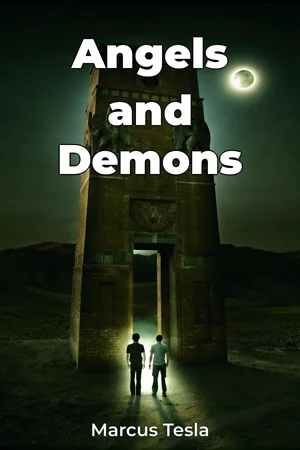
About This Book
Are angels benevolent guardians and demons malevolent tempters, or are these figures complex symbols of humanity's internal struggles? "Angels and Demons" delves into the multifaceted depictions of these supernatural beings across diverse religious and spiritual traditions, exploring their roles, significance, and lasting impact on cultures worldwide. This book examines not only the theological definitions of angels and demons, but also their pervasive presence in art, literature, and folklore, revealing how these figures have shaped ethical frameworks, social structures, and individual beliefs. This examination is crucial because understanding the historical and cultural contexts surrounding angels and demons sheds light on the evolution of religious thought, moral philosophies, and societal values. The book analyzes the origins of these concepts, tracing their development from ancient Near Eastern mythology to contemporary interpretations. It requires no specific prior knowledge, offering accessible explanations of key theological and historical concepts. The central argument posited by "Angels and Demons" is that the portrayal of angels and demons within a given culture reflects that culture's core values, anxieties, and aspirations. These supernatural entities serve as symbolic representations of the forces shaping human experience, both internal and external. Understanding these portrayals, therefore, offers a unique lens through which to analyze the broader cultural landscape. The book begins by introducing the foundational concepts of angels and demons as they appear in various religious texts, including the Hebrew Bible, the New Testament, the Quran, and Zoroastrian scriptures. It then proceeds to explore the evolution of these figures across different historical periods and geographical regions. Major sections include: 1) "Origins and Early Interpretations," which examines the earliest depictions of angelic and demonic entities and their roles in creation myths and cosmologies. 2) "Angels and Demons in the Abrahamic Religions," which analyzes the distinct interpretations and functions of these beings within Judaism, Christianity, and Islam, focusing on their roles as messengers, warriors, and tempters. 3) "Cultural Manifestations and Modern Interpretations," which explores how angels and demons are portrayed in art, literature, film, and popular culture, examining their evolving significance in contemporary society. The book culminates in a discussion of the psychological and philosophical implications of belief in angels and demons, considering their impact on individual behavior, moral reasoning, and existential understanding. The arguments presented are supported by a diverse range of evidence, including textual analysis of religious scriptures, historical accounts of theological debates, artistic representations of angels and demons, and anthropological studies of related cultural practices. Unique data sources might include previously untranslated religious texts or little-known folklore traditions. "Angels and Demons" connects to several interdisciplinary fields such as: 1) Religious studies, by offering a comparative analysis of angelic and demonic figures across different faith traditions. 2) Art history, by examining the visual representations of these beings and their symbolism within various artistic movements. 3) Psychology, by exploring the psychological impact of belief in angels and demons on human behavior and mental states. These connections enhance the book's argument by providing a holistic understanding of the multifaceted significance of these supernatural entities. This book provides a comparative analysis of angelic and demonic figures across various religious and cultural contexts, moving beyond simple definitions to explore their deeper symbolic meanings and cultural functions. The writing style is academic yet accessible, aiming to inform and engage a broad readership. The target audience is broad, encompassing readers interested in religion, mythology, cultural studies, and the history of ideas. The book offers value by enhancing understanding of the complex interplay between belief systems, cultural expressions, and human psychology. As a work of non-fiction within the genres of religion and spirituality, "Angels and Demons" adheres to the conventions of scholarly research, providing evidence-based analysis and avoiding unsubstantiated claims. While the scope of the book encompasses a wide range of religious and cultural traditions, it does not delve into personal spiritual experiences or subjective interpretations. The understanding of cultural values and belief systems that "Angels and Demons" provides can inform interfaith dialogue, cross-cultural communication, and ethical decision-making in various contexts. The book will address debates surrounding the nature and influence of angels and demons throughout history and within contemporary society.
Are angels benevolent guardians and demons malevolent tempters, or are these figures complex symbols of humanity's internal struggles? "Angels and Demons" delves into the multifaceted depictions of these supernatural beings across diverse religious and spiritual traditions, exploring their roles, significance, and lasting impact on cultures worldwide. This book examines not only the theological definitions of angels and demons, but also their pervasive presence in art, literature, and folklore, revealing how these figures have shaped ethical frameworks, social structures, and individual beliefs. This examination is crucial because understanding the historical and cultural contexts surrounding angels and demons sheds light on the evolution of religious thought, moral philosophies, and societal values. The book analyzes the origins of these concepts, tracing their development from ancient Near Eastern mythology to contemporary interpretations. It requires no specific prior knowledge, offering accessible explanations of key theological and historical concepts. The central argument posited by "Angels and Demons" is that the portrayal of angels and demons within a given culture reflects that culture's core values, anxieties, and aspirations. These supernatural entities serve as symbolic representations of the forces shaping human experience, both internal and external. Understanding these portrayals, therefore, offers a unique lens through which to analyze the broader cultural landscape. The book begins by introducing the foundational concepts of angels and demons as they appear in various religious texts, including the Hebrew Bible, the New Testament, the Quran, and Zoroastrian scriptures. It then proceeds to explore the evolution of these figures across different historical periods and geographical regions. Major sections include: 1) "Origins and Early Interpretations," which examines the earliest depictions of angelic and demonic entities and their roles in creation myths and cosmologies. 2) "Angels and Demons in the Abrahamic Religions," which analyzes the distinct interpretations and functions of these beings within Judaism, Christianity, and Islam, focusing on their roles as messengers, warriors, and tempters. 3) "Cultural Manifestations and Modern Interpretations," which explores how angels and demons are portrayed in art, literature, film, and popular culture, examining their evolving significance in contemporary society. The book culminates in a discussion of the psychological and philosophical implications of belief in angels and demons, considering their impact on individual behavior, moral reasoning, and existential understanding. The arguments presented are supported by a diverse range of evidence, including textual analysis of religious scriptures, historical accounts of theological debates, artistic representations of angels and demons, and anthropological studies of related cultural practices. Unique data sources might include previously untranslated religious texts or little-known folklore traditions. "Angels and Demons" connects to several interdisciplinary fields such as: 1) Religious studies, by offering a comparative analysis of angelic and demonic figures across different faith traditions. 2) Art history, by examining the visual representations of these beings and their symbolism within various artistic movements. 3) Psychology, by exploring the psychological impact of belief in angels and demons on human behavior and mental states. These connections enhance the book's argument by providing a holistic understanding of the multifaceted significance of these supernatural entities. This book provides a comparative analysis of angelic and demonic figures across various religious and cultural contexts, moving beyond simple definitions to explore their deeper symbolic meanings and cultural functions. The writing style is academic yet accessible, aiming to inform and engage a broad readership. The target audience is broad, encompassing readers interested in religion, mythology, cultural studies, and the history of ideas. The book offers value by enhancing understanding of the complex interplay between belief systems, cultural expressions, and human psychology. As a work of non-fiction within the genres of religion and spirituality, "Angels and Demons" adheres to the conventions of scholarly research, providing evidence-based analysis and avoiding unsubstantiated claims. While the scope of the book encompasses a wide range of religious and cultural traditions, it does not delve into personal spiritual experiences or subjective interpretations. The understanding of cultural values and belief systems that "Angels and Demons" provides can inform interfaith dialogue, cross-cultural communication, and ethical decision-making in various contexts. The book will address debates surrounding the nature and influence of angels and demons throughout history and within contemporary society.
"Angels and Demons" explores the diverse representations of these supernatural beings across religions and cultures, revealing their profound influence on ethical frameworks, social structures, and individual beliefs. The book examines theological definitions alongside their pervasive presence in art, literature, and folklore. One intriguing fact is how portrayals of angels and demons reflect a culture's core values and anxieties. Another is the evolution of these figures from ancient mythology to contemporary interpretations, demonstrating their enduring relevance. The book begins by introducing foundational concepts from various religious texts, then explores their evolution across historical periods and regions. Major sections cover origins and early interpretations, their roles in Abrahamic religions, and cultural manifestations in art and popular culture. The book uniquely connects religious studies, art history, and psychology to provide a holistic understanding of these entities. This approach illuminates how belief systems, cultural expressions, and human psychology intertwine.
Book Details
ISBN
9788233961527
Publisher
Publifye AS
Your Licenses
You don't own any licenses for this book
Purchase a license below to unlock this book and download the EPUB.
Purchase License
Select a tier to unlock this book
Need bulk licensing?
Contact us for enterprise agreements.