
About This Book
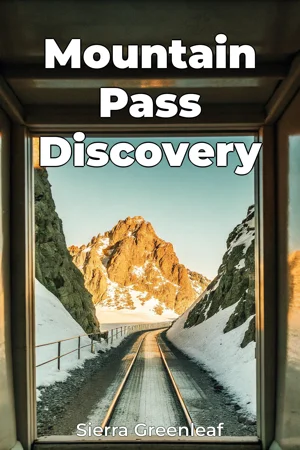
Have you ever considered the pivotal role mountain passes play in shaping human history and the environment? "Mountain Pass Discovery" delves into the geological and historical significance of these natural corridors, examining how they have influenced trade, migration, conflict, and our understanding of Earth’s dynamic processes. This book bridges earth sciences and adventure narratives, offering a detailed exploration of passes around the globe. The book's core lies in three main themes: understanding the geological formation of mountain passes, documenting historical expeditions and their impact on pass utilization, and evaluating the environmental changes affecting these crucial pathways. Firstly, the book explores the complex geological processes—tectonics, erosion, glaciation—that sculpt mountain passes. It highlights how different geological conditions result in varied pass morphologies and stability issues. Secondly, the book recounts significant historical journeys through these passes, revealing stories of explorers, traders, and armies. These accounts illustrate how passes facilitated cultural exchange and territorial disputes, leaving lasting impacts on regional development. Finally, it scrutinizes the environmental vulnerabilities of mountain passes to climate change, including glacial melt, increased erosion, and altered precipitation patterns, and discusses sustainable management strategies. "Mountain Pass Discovery" argues that mountain passes are not merely geographical features but are critical arteries in Earth's systems and human civilization. Their study offers insights into past climates, societal adaptations, and the challenges of sustainable development in mountainous regions. The book begins by establishing the interconnectedness of geology, history, and environmental science in the context of mountain passes. It then dedicates separate sections to detailed analyses of selected passes from different continents, examining their geological origins, historical significance, and current environmental status. Case studies include the Khyber Pass, known for its strategic military importance; the Great St. Bernard Pass, a vital trade route in the Alps; and passes in the Andes, highlighting their role in indigenous cultures and resource extraction. Each case study uses geological surveys, historical records, and contemporary environmental data to present a holistic view. The concluding chapters synthesize these case studies to offer a global perspective on the evolution and future of mountain passes. This book relies on a combination of geological maps, historical expedition logs, climate data, and field observations. It incorporates geological survey reports to understand the structural composition of the passes. Historical documents, travelogues, and military archives provide narratives of human interactions with these landscapes. Comparative analysis of climate data reveals the extent of environmental changes over time. "Mountain Pass Discovery" connects to diverse fields such as geography, history, environmental science, and anthropology. Its geological analyses contribute to broader discussions on landscape evolution and tectonic activity. Historical accounts enhance our understanding of human migration patterns and intercultural exchange. The environmental assessments provide relevant data for climate change studies and conservation planning. A unique aspect of the book is its interdisciplinary synthesis, combining hard scientific data with historical narratives to provide a comprehensive understanding of mountain passes. It avoids overly technical jargon, presenting information in a manner accessible to both specialists and general readers. The book adopts a professional, yet accessible tone, blending scientific rigor with engaging storytelling. It aims to inform and inspire curiosity about the natural world and human history. The target audience includes students and researchers in earth sciences, geography, and history, as well as outdoor enthusiasts, travelers, and anyone interested in the intersection of nature and human activity. The book's detailed analyses and captivating stories make it a valuable resource for both academic and general readers. As a work blending Earth Sciences Geography and Adventure genres, "Mountain Pass Discovery" contains detailed geographical descriptions, scientific explanations of geological phenomena, and exciting accounts of historical expeditions. It is consistent with traditional academic standards while also embracing elements of narrative non-fiction to enhance reader engagement. The scope of "Mountain Pass Discovery" covers a wide range of mountain passes worldwide, but it focuses on those with significant historical or geological importance. It does not delve into the technical aspects of road construction or engineering within these passes, as this would shift the focus away from the core themes. The knowledge gained from "Mountain Pass Discovery" can inform sustainable tourism practices, infrastructure planning, and environmental conservation efforts in mountainous regions. Understanding the geological vulnerabilities and historical impacts on these passes can help policymakers and local communities make informed decisions regarding land use and resource management. While the geological processes that shape mountain passes are generally well-understood, debates continue regarding the precise timing and rates of erosion and uplift. Similarly, differing interpretations of historical events and their environmental consequences can lead to varied conclusions about the long-term impacts on these landscapes. "Mountain Pass Discovery" acknowledges these ongoing debates where relevant, presenting multiple perspectives where available and drawing its own conclusions based on the presented evidence.
Have you ever considered the pivotal role mountain passes play in shaping human history and the environment? "Mountain Pass Discovery" delves into the geological and historical significance of these natural corridors, examining how they have influenced trade, migration, conflict, and our understanding of Earth’s dynamic processes. This book bridges earth sciences and adventure narratives, offering a detailed exploration of passes around the globe. The book's core lies in three main themes: understanding the geological formation of mountain passes, documenting historical expeditions and their impact on pass utilization, and evaluating the environmental changes affecting these crucial pathways. Firstly, the book explores the complex geological processes—tectonics, erosion, glaciation—that sculpt mountain passes. It highlights how different geological conditions result in varied pass morphologies and stability issues. Secondly, the book recounts significant historical journeys through these passes, revealing stories of explorers, traders, and armies. These accounts illustrate how passes facilitated cultural exchange and territorial disputes, leaving lasting impacts on regional development. Finally, it scrutinizes the environmental vulnerabilities of mountain passes to climate change, including glacial melt, increased erosion, and altered precipitation patterns, and discusses sustainable management strategies. "Mountain Pass Discovery" argues that mountain passes are not merely geographical features but are critical arteries in Earth's systems and human civilization. Their study offers insights into past climates, societal adaptations, and the challenges of sustainable development in mountainous regions. The book begins by establishing the interconnectedness of geology, history, and environmental science in the context of mountain passes. It then dedicates separate sections to detailed analyses of selected passes from different continents, examining their geological origins, historical significance, and current environmental status. Case studies include the Khyber Pass, known for its strategic military importance; the Great St. Bernard Pass, a vital trade route in the Alps; and passes in the Andes, highlighting their role in indigenous cultures and resource extraction. Each case study uses geological surveys, historical records, and contemporary environmental data to present a holistic view. The concluding chapters synthesize these case studies to offer a global perspective on the evolution and future of mountain passes. This book relies on a combination of geological maps, historical expedition logs, climate data, and field observations. It incorporates geological survey reports to understand the structural composition of the passes. Historical documents, travelogues, and military archives provide narratives of human interactions with these landscapes. Comparative analysis of climate data reveals the extent of environmental changes over time. "Mountain Pass Discovery" connects to diverse fields such as geography, history, environmental science, and anthropology. Its geological analyses contribute to broader discussions on landscape evolution and tectonic activity. Historical accounts enhance our understanding of human migration patterns and intercultural exchange. The environmental assessments provide relevant data for climate change studies and conservation planning. A unique aspect of the book is its interdisciplinary synthesis, combining hard scientific data with historical narratives to provide a comprehensive understanding of mountain passes. It avoids overly technical jargon, presenting information in a manner accessible to both specialists and general readers. The book adopts a professional, yet accessible tone, blending scientific rigor with engaging storytelling. It aims to inform and inspire curiosity about the natural world and human history. The target audience includes students and researchers in earth sciences, geography, and history, as well as outdoor enthusiasts, travelers, and anyone interested in the intersection of nature and human activity. The book's detailed analyses and captivating stories make it a valuable resource for both academic and general readers. As a work blending Earth Sciences Geography and Adventure genres, "Mountain Pass Discovery" contains detailed geographical descriptions, scientific explanations of geological phenomena, and exciting accounts of historical expeditions. It is consistent with traditional academic standards while also embracing elements of narrative non-fiction to enhance reader engagement. The scope of "Mountain Pass Discovery" covers a wide range of mountain passes worldwide, but it focuses on those with significant historical or geological importance. It does not delve into the technical aspects of road construction or engineering within these passes, as this would shift the focus away from the core themes. The knowledge gained from "Mountain Pass Discovery" can inform sustainable tourism practices, infrastructure planning, and environmental conservation efforts in mountainous regions. Understanding the geological vulnerabilities and historical impacts on these passes can help policymakers and local communities make informed decisions regarding land use and resource management. While the geological processes that shape mountain passes are generally well-understood, debates continue regarding the precise timing and rates of erosion and uplift. Similarly, differing interpretations of historical events and their environmental consequences can lead to varied conclusions about the long-term impacts on these landscapes. "Mountain Pass Discovery" acknowledges these ongoing debates where relevant, presenting multiple perspectives where available and drawing its own conclusions based on the presented evidence.
"Mountain Pass Discovery" explores the crucial role mountain passes play in shaping Earth’s geology, human history, and environmental conditions. These natural corridors have facilitated trade, migration, and conflict, offering unique insights into our planet's dynamic processes. The book examines how geological forces like tectonics, erosion, and glaciation have sculpted diverse pass morphologies, influencing their stability and usability. For instance, the Khyber Pass's strategic military importance highlights how passes can become pivotal in geopolitical events. The book progresses by first establishing the geological and historical context of mountain passes, then delving into case studies of significant passes across the globe. These include the Great St. Bernard Pass, a vital trade route, and Andean passes reflecting indigenous cultures. It also addresses the environmental vulnerabilities of these passes to climate change, such as glacial melt and increased erosion, advocating for sustainable management. By combining geological maps, historical records, and climate data, "Mountain Pass Discovery" argues that these passes are not just geographical features but critical arteries in Earth's systems and human civilization, offering valuable lessons for sustainable development.
Book Details
ISBN
9788233961404
Publisher
Publifye AS
Your Licenses
You don't own any licenses for this book
Purchase a license below to unlock this book and download the EPUB.
Purchase License
Select a tier to unlock this book
Need bulk licensing?
Contact us for enterprise agreements.