
About This Book
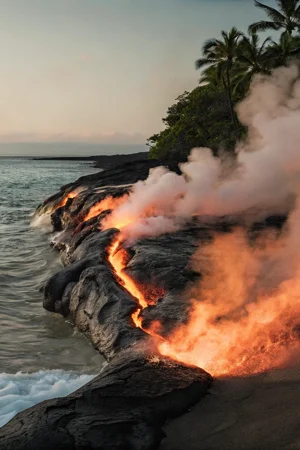
How can a string of seemingly unrelated islands reveal the dynamic forces shaping our planet? "Island Chain Formation" delves into the geological processes responsible for the creation of these linear archipelagos, offering a comprehensive exploration grounded in volcanic and tectonic plate research. This book is important because understanding island chain formation provides invaluable insight into the Earth’s internal mechanisms, plate tectonics, and mantle dynamics. This book examines two core concepts: hotspot volcanism and subduction zones. Hotspot volcanism explains chains created by the movement of tectonic plates over stationary plumes of magma rising from the Earth's mantle, much like a conveyor belt creating a series of volcanic islands. Subduction zones, where one tectonic plate slides beneath another, often result in arc-shaped island chains parallel to deep ocean trenches. It is relevant to consider the Earth's past and prepare for the challenges of the future. Understanding the location of these processes can give insight into the Earth's current and future state. The book's central argument is that island chains are not random occurrences, but rather direct consequences of predictable geological interactions. This understanding is critical for reassessing global tectonic models and predicting future volcanic activity and seismic events near these island systems. We will analyze the geological record, focusing on the geochemistry of volcanic rocks from different island chains and the geophysical data detailing plate motion and mantle structure. "Island Chain Formation" begins by introducing plate tectonics and volcanism, assuming a basic understanding of geological principles. It then builds upon these concepts, dedicating chapters to hotspot island chains (like Hawaii) and subduction zone island arcs (like Japan). Each chapter thoroughly investigates the formation mechanisms, rock compositions, and associated geological hazards. The book culminates in a discussion on the broader implications of island formation, including its role in shaping ocean currents, influencing biodiversity, and providing records of past climate change. It provides a framework for comprehending complex geological phenomena and provides a foundation for future study. Evidence presented includes geochemical analyses of lava flows, seismic tomography imaging of mantle plumes, and GPS data tracking plate movements. It draws upon diverse data sources, including seafloor drilling projects, satellite imagery, and historical records of volcanic eruptions. This study links geology with oceanography, climatology, and evolutionary biology. The book offers a holistic perspective on Earth system science, emphasizing the interconnectedness of geological processes and their far-reaching impact on the world. It provides a different view of the Earth and how it affects the islands. The tone is factual, analytical, and accessible, balancing technical rigor with clear explanations making complex concepts understandable to a broad audience. This book avoids jargon where possible, and provides context that can apply to many different learning levels. The target audience includes undergraduate and graduate students in earth sciences, geologists, geophysicists, oceanographers, and anyone interested in understanding the dynamic processes shaping our planet, thus it is written in a style that is approachable without sacrificing scientific accuracy. It will appeal to readers who want a deeper understanding of the Earth's processes. Specifically, the Earth Sciences genre expects an analytical, evidence-based approach, with the study relying on empirical data and established scientific theories. This book fills that genre well. This book focuses on actively forming island chains and largely excludes continental islands or submerged continental fragments, a scope decision to keep the narrative focused on the relationship between plate tectonics and volcanic activity. The discussion is limited to chains formed by recent or ongoing processes, ignoring ancient examples. The information provided can be used to inform hazard assessments, guide resource exploration, and promote sustainable development in island nations. It also contributes to a better understanding of long-term environmental change. While the underlying principles of island formation are generally agreed upon, debates continue regarding the exact mechanisms driving mantle plumes and the role of smaller-scale tectonic features in island arc development. The book addresses these controversies without taking a definitive position, presenting different viewpoints along with supporting evidence.
How can a string of seemingly unrelated islands reveal the dynamic forces shaping our planet? "Island Chain Formation" delves into the geological processes responsible for the creation of these linear archipelagos, offering a comprehensive exploration grounded in volcanic and tectonic plate research. This book is important because understanding island chain formation provides invaluable insight into the Earth’s internal mechanisms, plate tectonics, and mantle dynamics. This book examines two core concepts: hotspot volcanism and subduction zones. Hotspot volcanism explains chains created by the movement of tectonic plates over stationary plumes of magma rising from the Earth's mantle, much like a conveyor belt creating a series of volcanic islands. Subduction zones, where one tectonic plate slides beneath another, often result in arc-shaped island chains parallel to deep ocean trenches. It is relevant to consider the Earth's past and prepare for the challenges of the future. Understanding the location of these processes can give insight into the Earth's current and future state. The book's central argument is that island chains are not random occurrences, but rather direct consequences of predictable geological interactions. This understanding is critical for reassessing global tectonic models and predicting future volcanic activity and seismic events near these island systems. We will analyze the geological record, focusing on the geochemistry of volcanic rocks from different island chains and the geophysical data detailing plate motion and mantle structure. "Island Chain Formation" begins by introducing plate tectonics and volcanism, assuming a basic understanding of geological principles. It then builds upon these concepts, dedicating chapters to hotspot island chains (like Hawaii) and subduction zone island arcs (like Japan). Each chapter thoroughly investigates the formation mechanisms, rock compositions, and associated geological hazards. The book culminates in a discussion on the broader implications of island formation, including its role in shaping ocean currents, influencing biodiversity, and providing records of past climate change. It provides a framework for comprehending complex geological phenomena and provides a foundation for future study. Evidence presented includes geochemical analyses of lava flows, seismic tomography imaging of mantle plumes, and GPS data tracking plate movements. It draws upon diverse data sources, including seafloor drilling projects, satellite imagery, and historical records of volcanic eruptions. This study links geology with oceanography, climatology, and evolutionary biology. The book offers a holistic perspective on Earth system science, emphasizing the interconnectedness of geological processes and their far-reaching impact on the world. It provides a different view of the Earth and how it affects the islands. The tone is factual, analytical, and accessible, balancing technical rigor with clear explanations making complex concepts understandable to a broad audience. This book avoids jargon where possible, and provides context that can apply to many different learning levels. The target audience includes undergraduate and graduate students in earth sciences, geologists, geophysicists, oceanographers, and anyone interested in understanding the dynamic processes shaping our planet, thus it is written in a style that is approachable without sacrificing scientific accuracy. It will appeal to readers who want a deeper understanding of the Earth's processes. Specifically, the Earth Sciences genre expects an analytical, evidence-based approach, with the study relying on empirical data and established scientific theories. This book fills that genre well. This book focuses on actively forming island chains and largely excludes continental islands or submerged continental fragments, a scope decision to keep the narrative focused on the relationship between plate tectonics and volcanic activity. The discussion is limited to chains formed by recent or ongoing processes, ignoring ancient examples. The information provided can be used to inform hazard assessments, guide resource exploration, and promote sustainable development in island nations. It also contributes to a better understanding of long-term environmental change. While the underlying principles of island formation are generally agreed upon, debates continue regarding the exact mechanisms driving mantle plumes and the role of smaller-scale tectonic features in island arc development. The book addresses these controversies without taking a definitive position, presenting different viewpoints along with supporting evidence.
"Island Chain Formation" explores the fascinating geological processes behind linear island archipelagos, revealing how these formations provide key insights into Earth’s internal dynamics. The book focuses on two primary mechanisms: hotspot volcanism, where tectonic plates move over stationary magma plumes creating island chains like Hawaii, and subduction zones, where one plate slides under another, forming arc-shaped islands such as Japan. Understanding these processes is crucial for predicting future volcanic activity and seismic events. The book analyzes geochemical data from volcanic rocks, seismic imaging of mantle plumes, and GPS tracking of plate movements, drawing from diverse sources like seafloor drilling and satellite imagery. Beginning with an overview of plate tectonics and volcanism, the book dedicates chapters to hotspot and subduction zone island chains, examining their formation, rock compositions, and geological hazards. The study emphasizes the interconnectedness of geology with oceanography, climatology, and evolutionary biology, presenting a comprehensive view of Earth system science. Culminating in a discussion of broader implications, "Island Chain Formation" highlights the role of island chains in shaping ocean currents, influencing biodiversity, and preserving records of past climate change. It provides a framework for understanding complex geological phenomena and serves as a foundation for future study, making it a valuable resource for earth science students, geologists, and anyone interested in the dynamic processes shaping our planet.
Book Details
ISBN
9788233961381
Publisher
Publifye AS
Your Licenses
You don't own any licenses for this book
Purchase a license below to unlock this book and download the EPUB.
Purchase License
Select a tier to unlock this book
Need bulk licensing?
Contact us for enterprise agreements.