
About This Book
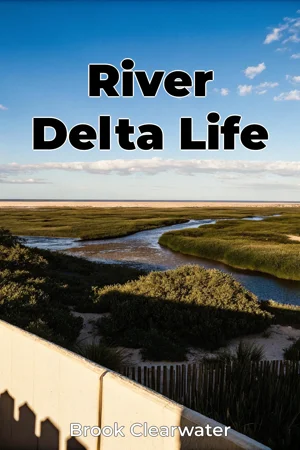
Have you ever wondered how some of the most fertile and diverse ecosystems on Earth are formed and sustained? "River Delta Life" delves into the intricate world of river deltas, exploring their dynamic development through the lenses of hydrology and ecology. Understanding these complex systems is crucial, especially now, as deltas face increasing threats from climate change, human development, and resource exploitation. This book examines the natural processes that shape river deltas and the diverse life they support. The central argument is that river deltas are not static landforms but rather dynamic, ever-evolving ecosystems where the interplay of water, sediment, and biology creates unique habitats. This perspective is vital for effective conservation and sustainable management strategies. The book begins by introducing the fundamental concepts of delta formation, including sediment transport, depositional processes, and hydrological regimes. It then progresses to a detailed examination of ecological dynamics, focusing on plant and animal adaptations to delta environments, food web structures, and nutrient cycling. Key chapters explore the influence of human activities on delta ecosystems, such as agriculture, urbanization, and water management projects, and how these activities alter natural processes and impact biodiversity. Supporting the arguments are extensive data from hydrological monitoring programs, ecological surveys, and sedimentological analyses. The book draws on case studies from various river deltas around the world, showcasing the diversity of delta types and the range of challenges they face. Furthermore, it incorporates insights from cutting-edge research on climate change impacts, including sea-level rise, altered river discharge patterns, and increased storm frequency. "River Delta Life" connects Earth Sciences, Geography, and Environmental Science. It explores the geomorphological processes that create delta landscapes, the geographical distribution of deltas across the globe, and the environmental challenges associated with their conservation. It offers a comprehensive and interdisciplinary approach to understanding these critical ecosystems. A unique aspect of this book is its emphasis on the interconnectedness of physical and biological processes in river deltas. It demonstrates how changes in hydrology can affect ecological communities and vice versa, highlighting the need for integrated management strategies. Written in a clear and accessible style, "River Delta Life" is aimed at students, researchers, policymakers, and anyone interested in learning about the science and conservation of river deltas. For students, it provides a solid foundation in delta geomorphology and ecology. For researchers, it offers a synthesis of current knowledge and identifies areas for future investigation. For policymakers, it provides guidance on sustainable management practices. The scope of the book is broad, covering a wide range of delta types and geographic regions. However, it focuses primarily on the natural science aspects of delta ecosystems, with less emphasis on social and economic considerations. The information in this book can be applied to various real-world problems. For instance, it can inform the design of coastal protection measures, the development of sustainable agricultural practices, and the restoration of degraded delta ecosystems. It can also contribute to the ongoing debates about water resource management and climate change adaptation in delta regions. "River Delta Life" acknowledges the complexities and uncertainties surrounding delta management. It aims to provide a balanced and informed perspective on the challenges and opportunities facing these vital ecosystems.
Have you ever wondered how some of the most fertile and diverse ecosystems on Earth are formed and sustained? "River Delta Life" delves into the intricate world of river deltas, exploring their dynamic development through the lenses of hydrology and ecology. Understanding these complex systems is crucial, especially now, as deltas face increasing threats from climate change, human development, and resource exploitation. This book examines the natural processes that shape river deltas and the diverse life they support. The central argument is that river deltas are not static landforms but rather dynamic, ever-evolving ecosystems where the interplay of water, sediment, and biology creates unique habitats. This perspective is vital for effective conservation and sustainable management strategies. The book begins by introducing the fundamental concepts of delta formation, including sediment transport, depositional processes, and hydrological regimes. It then progresses to a detailed examination of ecological dynamics, focusing on plant and animal adaptations to delta environments, food web structures, and nutrient cycling. Key chapters explore the influence of human activities on delta ecosystems, such as agriculture, urbanization, and water management projects, and how these activities alter natural processes and impact biodiversity. Supporting the arguments are extensive data from hydrological monitoring programs, ecological surveys, and sedimentological analyses. The book draws on case studies from various river deltas around the world, showcasing the diversity of delta types and the range of challenges they face. Furthermore, it incorporates insights from cutting-edge research on climate change impacts, including sea-level rise, altered river discharge patterns, and increased storm frequency. "River Delta Life" connects Earth Sciences, Geography, and Environmental Science. It explores the geomorphological processes that create delta landscapes, the geographical distribution of deltas across the globe, and the environmental challenges associated with their conservation. It offers a comprehensive and interdisciplinary approach to understanding these critical ecosystems. A unique aspect of this book is its emphasis on the interconnectedness of physical and biological processes in river deltas. It demonstrates how changes in hydrology can affect ecological communities and vice versa, highlighting the need for integrated management strategies. Written in a clear and accessible style, "River Delta Life" is aimed at students, researchers, policymakers, and anyone interested in learning about the science and conservation of river deltas. For students, it provides a solid foundation in delta geomorphology and ecology. For researchers, it offers a synthesis of current knowledge and identifies areas for future investigation. For policymakers, it provides guidance on sustainable management practices. The scope of the book is broad, covering a wide range of delta types and geographic regions. However, it focuses primarily on the natural science aspects of delta ecosystems, with less emphasis on social and economic considerations. The information in this book can be applied to various real-world problems. For instance, it can inform the design of coastal protection measures, the development of sustainable agricultural practices, and the restoration of degraded delta ecosystems. It can also contribute to the ongoing debates about water resource management and climate change adaptation in delta regions. "River Delta Life" acknowledges the complexities and uncertainties surrounding delta management. It aims to provide a balanced and informed perspective on the challenges and opportunities facing these vital ecosystems.
"River Delta Life" explores the fascinating world of river deltas, emphasizing their dynamic nature and the critical interplay between hydrology and ecology. These vital ecosystems, shaped by sediment transport and deposition, support unique habitats and rich biodiversity. The book highlights how understanding delta formation and ecological dynamics is crucial, especially given the increasing threats from climate change and human activities. Intriguingly, the book reveals how these landforms are not static but constantly evolving, showcasing the adaptations of plant and animal life within these environments. The book progresses from foundational concepts of delta formation to detailed examinations of ecological dynamics and human impacts. It draws upon extensive data and case studies from diverse deltas worldwide to illustrate the challenges and opportunities for sustainable management. A key focus is the interconnectedness of physical and biological processes, demonstrating how changes in hydrology can profoundly affect ecological communities and vice versa. This interdisciplinary approach makes the book valuable for students, researchers, and policymakers interested in Earth Sciences, Geography, and environmental conservation.
Book Details
ISBN
9788233961374
Publisher
Publifye AS
Your Licenses
You don't own any licenses for this book
Purchase a license below to unlock this book and download the EPUB.
Purchase License
Select a tier to unlock this book
Need bulk licensing?
Contact us for enterprise agreements.