
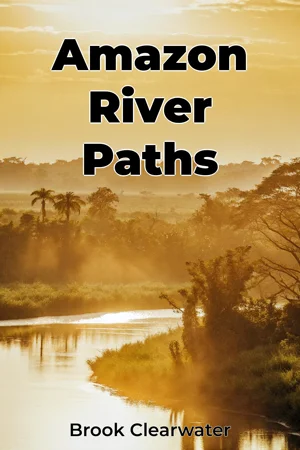
About This Book
Can the Amazon River, a lifeline teeming with unparalleled biodiversity, reveal secrets crucial to understanding our planet's future? "Amazon River Paths" charts a course through the world's largest river system, synthesizing decades of botanical expeditions and geographical surveys to offer a comprehensive portrait of this vital ecosystem. This book explores the intricate relationship between the river's geography, its diverse plant life, and the forces shaping its future. This exploration hinges on three key themes: the dynamic geomorphology of the Amazon basin, the astonishing biodiversity sustained by its waters, and the growing impact of human activity on this fragile environment. Why is this important? Because the Amazon is not just a river; it's a climate regulator, a biodiversity hotspot, and a crucial resource for millions. Understanding it is essential for informed environmental stewardship. To fully appreciate the Amazon's complexities, we delve into its geological history, tracing its evolution from a transcontinental seaway to the mighty river we know today. We also examine the intricacies of its hydrological cycle, exploring the interplay of rainfall, evaporation, and river flow. The book builds on a foundation of established geographical and botanical knowledge, assuming a general familiarity with basic ecological principles. "Amazon River Paths" argues that only through a holistic understanding of the Amazon's physical and biological processes can we effectively address the challenges it faces. The book presents a detailed analysis demonstrating the interconnectedness of each component within the Amazon River basin. This forms the central message of the book. The book unfolds in three major sections. First, it introduces the Amazon's geographical context, detailing its physical features, climate patterns, and hydrological dynamics. Second, it explores the botanical wealth of the region, cataloging key plant species, examining their ecological roles, and analyzing their distribution patterns. This section includes in-depth examinations of specific plant adaptations to the unique environment of the Amazon, such as adaptations to flooding and nutrient-poor soils, and how plants interact with other organisms and influence the ecosystem. Third, the book culminates in an analysis of human impacts on the river system, discussing deforestation, mining, agriculture, and climate change. It concludes by proposing strategies for sustainable management and conservation. The evidence presented draws from a vast array of sources, including historical expedition reports, contemporary scientific studies, satellite imagery, and original field data collected during recent geographical surveys. The book makes extensive use of Geographic Information Systems (GIS) to map and analyze spatial patterns of biodiversity and environmental change. "Amazon River Paths" is not confined to a single discipline. It connects geography with botany, ecology, and environmental science. This interdisciplinary approach allows for a more nuanced understanding of the complex interactions within the Amazon ecosystem. Socio-economic factors are also considered. The book distinguishes itself by integrating historical botanical observations with modern geographical techniques. This unique blend provides a long-term perspective on environmental change and highlights the importance of preserving historical data. Written in a clear and accessible style, "Amazon River Paths" is aimed at students, researchers, policymakers, and anyone with a curiosity about the Amazon River. This book will be valuable to those seeking a comprehensive and up-to-date understanding of one of the world's most important ecosystems. The book adheres to the conventions of nature writing and geographical studies, prioritizing factual accuracy and scientific rigor. The scope of the book is confined to the Amazon River and its immediate floodplain, excluding the broader Amazon basin. This focused approach allows for a more in-depth analysis of the river's unique features. The information presented in "Amazon River Paths" can inform conservation efforts, guide sustainable development initiatives, and promote responsible resource management in the Amazon region. By understanding the river's ecological processes, readers can advocate for policies that protect its biodiversity and ensure its long-term health. The book engages with ongoing debates about the best strategies for conserving the Amazon rainforest, presenting different perspectives on issues such as deforestation, mining, and indigenous land rights. The book examines conflicts between economic development and environmental preservation, and the ethical responsibilities of stakeholders.
Can the Amazon River, a lifeline teeming with unparalleled biodiversity, reveal secrets crucial to understanding our planet's future? "Amazon River Paths" charts a course through the world's largest river system, synthesizing decades of botanical expeditions and geographical surveys to offer a comprehensive portrait of this vital ecosystem. This book explores the intricate relationship between the river's geography, its diverse plant life, and the forces shaping its future. This exploration hinges on three key themes: the dynamic geomorphology of the Amazon basin, the astonishing biodiversity sustained by its waters, and the growing impact of human activity on this fragile environment. Why is this important? Because the Amazon is not just a river; it's a climate regulator, a biodiversity hotspot, and a crucial resource for millions. Understanding it is essential for informed environmental stewardship. To fully appreciate the Amazon's complexities, we delve into its geological history, tracing its evolution from a transcontinental seaway to the mighty river we know today. We also examine the intricacies of its hydrological cycle, exploring the interplay of rainfall, evaporation, and river flow. The book builds on a foundation of established geographical and botanical knowledge, assuming a general familiarity with basic ecological principles. "Amazon River Paths" argues that only through a holistic understanding of the Amazon's physical and biological processes can we effectively address the challenges it faces. The book presents a detailed analysis demonstrating the interconnectedness of each component within the Amazon River basin. This forms the central message of the book. The book unfolds in three major sections. First, it introduces the Amazon's geographical context, detailing its physical features, climate patterns, and hydrological dynamics. Second, it explores the botanical wealth of the region, cataloging key plant species, examining their ecological roles, and analyzing their distribution patterns. This section includes in-depth examinations of specific plant adaptations to the unique environment of the Amazon, such as adaptations to flooding and nutrient-poor soils, and how plants interact with other organisms and influence the ecosystem. Third, the book culminates in an analysis of human impacts on the river system, discussing deforestation, mining, agriculture, and climate change. It concludes by proposing strategies for sustainable management and conservation. The evidence presented draws from a vast array of sources, including historical expedition reports, contemporary scientific studies, satellite imagery, and original field data collected during recent geographical surveys. The book makes extensive use of Geographic Information Systems (GIS) to map and analyze spatial patterns of biodiversity and environmental change. "Amazon River Paths" is not confined to a single discipline. It connects geography with botany, ecology, and environmental science. This interdisciplinary approach allows for a more nuanced understanding of the complex interactions within the Amazon ecosystem. Socio-economic factors are also considered. The book distinguishes itself by integrating historical botanical observations with modern geographical techniques. This unique blend provides a long-term perspective on environmental change and highlights the importance of preserving historical data. Written in a clear and accessible style, "Amazon River Paths" is aimed at students, researchers, policymakers, and anyone with a curiosity about the Amazon River. This book will be valuable to those seeking a comprehensive and up-to-date understanding of one of the world's most important ecosystems. The book adheres to the conventions of nature writing and geographical studies, prioritizing factual accuracy and scientific rigor. The scope of the book is confined to the Amazon River and its immediate floodplain, excluding the broader Amazon basin. This focused approach allows for a more in-depth analysis of the river's unique features. The information presented in "Amazon River Paths" can inform conservation efforts, guide sustainable development initiatives, and promote responsible resource management in the Amazon region. By understanding the river's ecological processes, readers can advocate for policies that protect its biodiversity and ensure its long-term health. The book engages with ongoing debates about the best strategies for conserving the Amazon rainforest, presenting different perspectives on issues such as deforestation, mining, and indigenous land rights. The book examines conflicts between economic development and environmental preservation, and the ethical responsibilities of stakeholders.
"Amazon River Paths" embarks on a journey through the world's largest river system, highlighting its crucial role as a climate regulator and biodiversity hotspot. This exploration synthesizes botanical expeditions and geographical surveys to reveal the intricate relationship between the Amazon's dynamic geomorphology, its astonishing plant life, and the escalating impact of human activities, such as deforestation and mining, on its fragile environment. Interestingly, the book traces the river's geological evolution from a transcontinental seaway, illustrating the immense changes it has undergone over millennia. The book adopts an interdisciplinary approach, integrating geography, botany, ecology, and environmental science to foster a nuanced understanding of the Amazon ecosystem. It unfolds in three major sections, initially introducing the Amazon's geographical context, then delving into its botanical wealth, and culminating in an analysis of human-driven challenges. Ultimately, the book proposes strategies for sustainable management, emphasizing that a holistic understanding of the Amazon's physical and biological processes is crucial for effective conservation and environmental stewardship.
Book Details
ISBN
9788233961282
Publisher
Publifye AS
Your Licenses
You don't own any licenses for this book
Purchase a license below to unlock this book and download the EPUB.
Purchase License
Select a tier to unlock this book
Need bulk licensing?
Contact us for enterprise agreements.