
About This Book
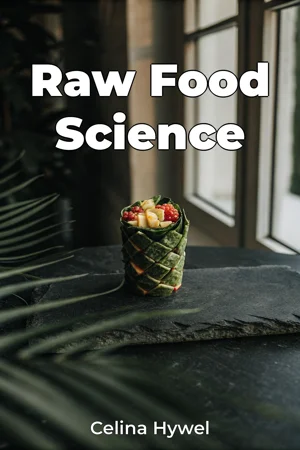
Is a raw food diet the key to unlocking optimal health, or does it present unforeseen nutritional pitfalls? "Raw Food Science" delves into this critical question, offering a comprehensive, evidence-based exploration of the benefits and risks associated with consuming uncooked foods. This book is essential for anyone seeking a deeper understanding of the science behind raw food diets and their potential impact on human health. We embark on a journey through the complex landscape of raw food nutrition, examining the fundamental principles that underpin this dietary approach. The central argument of "Raw Food Science" is that while raw food diets can offer certain advantages, particularly in terms of increased nutrient density from undamaged enzymes and phytochemicals, they also pose significant challenges related to nutrient deficiencies, food safety, and overall dietary balance. The book emphasizes the importance of informed decision-making based on scientific evidence and individual needs, rather than solely on anecdotal claims. To provide context, the book explores the historical roots of raw food movements and their evolution over time, placing them within the broader landscape of dietary trends and nutritional science. No prior knowledge is required to understand the concepts presented, as the book carefully explains relevant biochemical and physiological processes. The book's structure is designed to provide a thorough and balanced perspective. It begins by defining raw food diets and outlining their core tenets. The book proceeds to analyze the purported benefits of raw food consumption, such as improved digestion, enhanced energy levels, and reduced risk of chronic diseases. Each claim is rigorously examined using data from controlled dietary studies, observational research, and meta-analyses. Furthermore, the book explores the potential risks of raw food diets, including microbial contamination, nutrient deficiencies (particularly vitamin B12, iron, and calcium), and the challenges of meeting energy needs, especially for individuals with increased caloric demands. Special attention is given to vulnerable populations, such as pregnant women, children, and individuals with pre-existing health conditions. The evidence presented in "Raw Food Science" is drawn from a wide range of sources, including peer-reviewed scientific journals, government health agencies, and reputable research institutions. Original data from controlled trials, where the effects of raw food diets are compared to those of conventional diets under carefully monitored conditions, are emphasized. The book also considers the impact of different food preparation techniques on nutrient bioavailability. "Raw Food Science" connects to several interdisciplinary fields. It draws upon microbiology to understand the risks of foodborne illnesses, biochemistry to explore the impact of cooking on nutrient composition, and public health to assess the broader implications of raw food diets on population health and well-being. A unique aspect of this book is its objective and data-driven approach. Rather than advocating for or against raw food diets, it presents a balanced assessment of the available evidence, empowering readers to make informed choices based on their own individual circumstances. The tone of "Raw Food Science" is professional, informative, and accessible. Complex scientific concepts are explained in a clear and concise manner, avoiding jargon and technical language whenever possible. The intended audience includes health professionals, nutritionists, dietitians, and anyone interested in learning more about the science behind raw food diets. The information presented is particularly valuable for those considering adopting a raw food diet or advising others on dietary choices. As a work of science and health, this book adheres to the conventions of evidence-based analysis and critical evaluation. While the book covers a broad range of topics related to raw food diets, it intentionally limits its scope to the scientific aspects, focusing primarily on the nutritional benefits and risks. The information in this book can be applied practically in several ways. It can help individuals make informed decisions about whether a raw food diet is appropriate for them, how to minimize potential risks, and how to ensure adequate nutrient intake. Health professionals can use the book to provide evidence-based counseling to their patients. Finally, the book also addresses some of the ongoing debates surrounding raw food diets, such as the optimal percentage of raw foods in the diet, the best methods for preparing raw foods to maximize nutrient bioavailability, and the long-term health effects of raw food consumption. "Raw Food Science" provides clarity amid the often-conflicting information surrounding raw food diets.
Is a raw food diet the key to unlocking optimal health, or does it present unforeseen nutritional pitfalls? "Raw Food Science" delves into this critical question, offering a comprehensive, evidence-based exploration of the benefits and risks associated with consuming uncooked foods. This book is essential for anyone seeking a deeper understanding of the science behind raw food diets and their potential impact on human health. We embark on a journey through the complex landscape of raw food nutrition, examining the fundamental principles that underpin this dietary approach. The central argument of "Raw Food Science" is that while raw food diets can offer certain advantages, particularly in terms of increased nutrient density from undamaged enzymes and phytochemicals, they also pose significant challenges related to nutrient deficiencies, food safety, and overall dietary balance. The book emphasizes the importance of informed decision-making based on scientific evidence and individual needs, rather than solely on anecdotal claims. To provide context, the book explores the historical roots of raw food movements and their evolution over time, placing them within the broader landscape of dietary trends and nutritional science. No prior knowledge is required to understand the concepts presented, as the book carefully explains relevant biochemical and physiological processes. The book's structure is designed to provide a thorough and balanced perspective. It begins by defining raw food diets and outlining their core tenets. The book proceeds to analyze the purported benefits of raw food consumption, such as improved digestion, enhanced energy levels, and reduced risk of chronic diseases. Each claim is rigorously examined using data from controlled dietary studies, observational research, and meta-analyses. Furthermore, the book explores the potential risks of raw food diets, including microbial contamination, nutrient deficiencies (particularly vitamin B12, iron, and calcium), and the challenges of meeting energy needs, especially for individuals with increased caloric demands. Special attention is given to vulnerable populations, such as pregnant women, children, and individuals with pre-existing health conditions. The evidence presented in "Raw Food Science" is drawn from a wide range of sources, including peer-reviewed scientific journals, government health agencies, and reputable research institutions. Original data from controlled trials, where the effects of raw food diets are compared to those of conventional diets under carefully monitored conditions, are emphasized. The book also considers the impact of different food preparation techniques on nutrient bioavailability. "Raw Food Science" connects to several interdisciplinary fields. It draws upon microbiology to understand the risks of foodborne illnesses, biochemistry to explore the impact of cooking on nutrient composition, and public health to assess the broader implications of raw food diets on population health and well-being. A unique aspect of this book is its objective and data-driven approach. Rather than advocating for or against raw food diets, it presents a balanced assessment of the available evidence, empowering readers to make informed choices based on their own individual circumstances. The tone of "Raw Food Science" is professional, informative, and accessible. Complex scientific concepts are explained in a clear and concise manner, avoiding jargon and technical language whenever possible. The intended audience includes health professionals, nutritionists, dietitians, and anyone interested in learning more about the science behind raw food diets. The information presented is particularly valuable for those considering adopting a raw food diet or advising others on dietary choices. As a work of science and health, this book adheres to the conventions of evidence-based analysis and critical evaluation. While the book covers a broad range of topics related to raw food diets, it intentionally limits its scope to the scientific aspects, focusing primarily on the nutritional benefits and risks. The information in this book can be applied practically in several ways. It can help individuals make informed decisions about whether a raw food diet is appropriate for them, how to minimize potential risks, and how to ensure adequate nutrient intake. Health professionals can use the book to provide evidence-based counseling to their patients. Finally, the book also addresses some of the ongoing debates surrounding raw food diets, such as the optimal percentage of raw foods in the diet, the best methods for preparing raw foods to maximize nutrient bioavailability, and the long-term health effects of raw food consumption. "Raw Food Science" provides clarity amid the often-conflicting information surrounding raw food diets.
"Raw Food Science" explores the science behind raw food diets, providing an evidence-based analysis of their benefits and risks to health and fitness. It navigates the complex landscape of raw food nutrition, covering topics from food safety to nutrient deficiencies. The book highlights how, while raw foods may offer increased nutrient density from enzymes and phytochemicals, challenges exist in maintaining dietary balance and preventing foodborne illnesses. The book progresses systematically, defining raw food diets and examining their purported benefits, such as improved digestion and enhanced energy. It uniquely emphasizes controlled dietary studies and observational research to assess claims, while also addressing potential risks like microbial contamination and nutrient deficiencies. Special attention is given to how different food preparation techniques impact nutrient bioavailability, empowering readers to make informed choices. This book presents an objective, data-driven approach, and the tone of "Raw Food Science" is professional, informative, and accessible. Rather than advocating for or against raw food diets, it provides a balanced assessment of available evidence, making it valuable for anyone interested in dietary studies, including health professionals and individuals considering a raw food diet.
Book Details
ISBN
9788233961053
Publisher
Publifye AS
Your Licenses
You don't own any licenses for this book
Purchase a license below to unlock this book and download the EPUB.
Purchase License
Select a tier to unlock this book
Need bulk licensing?
Contact us for enterprise agreements.