
About This Book
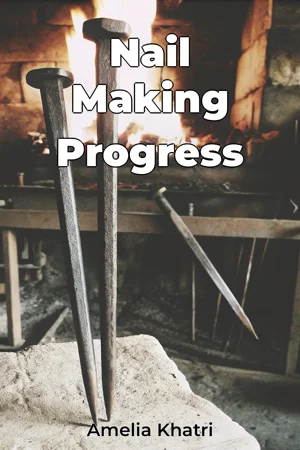
Have you ever considered the humble nail, that seemingly insignificant piece of metal holding our world together? This book, "Nail Making Progress," delves into the fascinating history and technological development of nail production, from its laborious origins in ancient Rome to the advanced automated processes of today. We explore not only the evolution of a simple fastener, but also examine the broader technological and socio-economic forces that shaped its journey. This exploration hinges on three key topics: the ingenuity of hand-forged nail production, the transformative impact of mechanization, and the subsequent rise of automated manufacturing. Each stage reflects profound shifts in technology, labor practices, and economic structures. Understanding these shifts provides critical insight into the broader history of industrial development and the evolution of manufacturing processes. To fully appreciate the narrative, a basic understanding of historical periods and fundamental engineering concepts will be beneficial, though not strictly required. We’ll provide context around the historical periods as related to this specific industry. The central argument of "Nail Making Progress" posits that the nail, often overlooked, serves as a microcosm of overall industrial advancement. Its production reflects broader trends in technological innovation, the changing nature of work, and the increasing efficiency of manufacturing processes. This argument highlights the importance of understanding the historical context of even the simplest technologies. The book begins by examining the earliest methods of nail production, focusing on hand-forging techniques employed by Roman blacksmiths. We then transition to the medieval period, exploring the gradual refinement of these techniques and the emergence of specialized nail-making communities. The narrative takes a pivotal turn with the advent of the Industrial Revolution, examining the introduction of water-powered and later steam-powered machinery that significantly increased nail production. We dedicate a significant section to the automated processes that define modern nail manufacturing, exploring the complex interplay of machinery, computer controls, and material science. Finally, we investigate new materials and specialized nail designs meeting the needs of modern engineering and construction. Our research draws upon a diverse range of sources, including archaeological findings, historical account books from early forges, patent records documenting the development of nail-making machinery, and contemporary analyses of manufacturing processes. "Nail Making Progress" also connects to fields such as economic history, material science, and the history of technology. Economic history provides context for the market forces driving innovation in nail production. Material science offers insights into the properties of metals and their influence on nail design and durability. The history of technology helps to situate nail manufacturing within the broader narrative of technological progress. This book is unique in its comprehensive focus on a single, seemingly mundane object as a lens through which to understand broader technological and societal shifts. It synthesizes information from diverse fields to present a holistic view of nail-making history. The tone is informative and analytical aiming to be a factual and engaging explanation of nail production. The target audience includes historians of technology, industrial archaeologists, students of economic history, and anyone with an interest in the history of manufacturing processes. This book provides readers with a comprehensive, accessible, and engaging account of nail-making evolution. As a work of non-fiction history and technology, "Nail Making Progress" adheres to the genre's conventions by providing thoroughly researched and documented information. The scope of the book is intentionally limited to the history and technological development of nail production. While it touches upon related areas, such as the impact of nail production on construction practices, it does not delve deeply into these associated topics. Understanding the evolution of nail production offers valuable insights into the broader history of industrial development, the impact of technological innovation on labor practices, and the importance of even seemingly simple technologies in shaping the world around us. While the book touches on debates surrounding the societal impact of automation on labor, it refrains from taking a prescriptive position, instead presenting a balanced and evidence-based account of the historical developments.
Have you ever considered the humble nail, that seemingly insignificant piece of metal holding our world together? This book, "Nail Making Progress," delves into the fascinating history and technological development of nail production, from its laborious origins in ancient Rome to the advanced automated processes of today. We explore not only the evolution of a simple fastener, but also examine the broader technological and socio-economic forces that shaped its journey. This exploration hinges on three key topics: the ingenuity of hand-forged nail production, the transformative impact of mechanization, and the subsequent rise of automated manufacturing. Each stage reflects profound shifts in technology, labor practices, and economic structures. Understanding these shifts provides critical insight into the broader history of industrial development and the evolution of manufacturing processes. To fully appreciate the narrative, a basic understanding of historical periods and fundamental engineering concepts will be beneficial, though not strictly required. We’ll provide context around the historical periods as related to this specific industry. The central argument of "Nail Making Progress" posits that the nail, often overlooked, serves as a microcosm of overall industrial advancement. Its production reflects broader trends in technological innovation, the changing nature of work, and the increasing efficiency of manufacturing processes. This argument highlights the importance of understanding the historical context of even the simplest technologies. The book begins by examining the earliest methods of nail production, focusing on hand-forging techniques employed by Roman blacksmiths. We then transition to the medieval period, exploring the gradual refinement of these techniques and the emergence of specialized nail-making communities. The narrative takes a pivotal turn with the advent of the Industrial Revolution, examining the introduction of water-powered and later steam-powered machinery that significantly increased nail production. We dedicate a significant section to the automated processes that define modern nail manufacturing, exploring the complex interplay of machinery, computer controls, and material science. Finally, we investigate new materials and specialized nail designs meeting the needs of modern engineering and construction. Our research draws upon a diverse range of sources, including archaeological findings, historical account books from early forges, patent records documenting the development of nail-making machinery, and contemporary analyses of manufacturing processes. "Nail Making Progress" also connects to fields such as economic history, material science, and the history of technology. Economic history provides context for the market forces driving innovation in nail production. Material science offers insights into the properties of metals and their influence on nail design and durability. The history of technology helps to situate nail manufacturing within the broader narrative of technological progress. This book is unique in its comprehensive focus on a single, seemingly mundane object as a lens through which to understand broader technological and societal shifts. It synthesizes information from diverse fields to present a holistic view of nail-making history. The tone is informative and analytical aiming to be a factual and engaging explanation of nail production. The target audience includes historians of technology, industrial archaeologists, students of economic history, and anyone with an interest in the history of manufacturing processes. This book provides readers with a comprehensive, accessible, and engaging account of nail-making evolution. As a work of non-fiction history and technology, "Nail Making Progress" adheres to the genre's conventions by providing thoroughly researched and documented information. The scope of the book is intentionally limited to the history and technological development of nail production. While it touches upon related areas, such as the impact of nail production on construction practices, it does not delve deeply into these associated topics. Understanding the evolution of nail production offers valuable insights into the broader history of industrial development, the impact of technological innovation on labor practices, and the importance of even seemingly simple technologies in shaping the world around us. While the book touches on debates surrounding the societal impact of automation on labor, it refrains from taking a prescriptive position, instead presenting a balanced and evidence-based account of the historical developments.
"Nail Making Progress" explores the fascinating history of nail production, demonstrating how this humble fastener mirrors broader trends in industrial development and technological innovation. From Roman blacksmiths meticulously hand-forging each nail to the advent of automated manufacturing, the book traces the evolution of nail production techniques. Interestingly, nail design has been influenced by material science, enhancing both durability and application. The book progresses chronologically, starting with ancient hand-forging methods and moving through the mechanization of the Industrial Revolution to modern automated processes. It highlights the impact of these advancements on labor practices and economic structures. For example, the introduction of water-powered machinery drastically increased nail production during the Industrial Revolution. The narrative emphasizes how nail manufacturing serves as a microcosm of overall industrial advancement, reflecting changes in technology and manufacturing efficiency. This unique approach provides readers with a comprehensive and accessible account of nail-making evolution. By examining patent records, historical accounts, and archaeological findings, "Nail Making Progress" synthesizes information from diverse fields. The book connects nail production history to economic history and material science, making it valuable for historians of technology, students of economic history, and anyone interested in manufacturing processes.
Book Details
ISBN
9788233960605
Publisher
Publifye AS
Your Licenses
You don't own any licenses for this book
Purchase a license below to unlock this book and download the EPUB.
Purchase License
Select a tier to unlock this book
Need bulk licensing?
Contact us for enterprise agreements.