
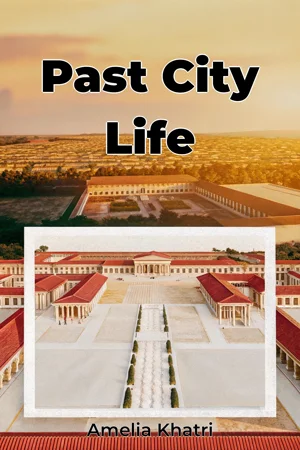
About This Book
How has the experience of urban life transformed—and remained the same—across millennia? "Past City Life" delves into this question by comparing urban living conditions throughout history with the principles and practices of modern city planning. We explore how past civilizations organized, managed, and experienced their cities, drawing lessons that resonate with contemporary urban challenges. This book addresses three key topics: the evolution of urban infrastructure, the social dynamics of urban populations, and the impact of urban environments on individual and collective well-being. These are important because understanding the history of cities provides critical context for addressing current issues like sustainability, inequality, and public health. Historically, cities have been centers of innovation, commerce, and cultural exchange, but they have also struggled with sanitation, overcrowding, and social stratification. A basic understanding of historical urban development, including the rise and fall of major city-states and empires, is helpful for appreciating the book's arguments. The central argument is that modern city planning, while technologically advanced, can benefit significantly from a deeper understanding of historical precedents and long-term consequences of urban design. By analyzing past successes and failures, we can create more resilient, equitable, and livable cities in the future. The book begins by introducing fundamental concepts in urban studies and archaeology. It then examines specific historical periods and cities, such as ancient Rome, medieval London, and Renaissance Florence, focusing on their infrastructure (water supply, waste management), social structures (class divisions, community organization), and built environments (housing, public spaces). For each city, we explore how these elements shaped residents' daily lives. The book culminates by drawing comparisons between historical urban experiences and modern city planning principles, offering practical recommendations for urban development that consider both historical context and future sustainability. Evidence is drawn from archaeological records, historical documents (maps, census data, personal accounts), and architectural analyses. Unique data sources include newly translated urban planning documents from various historical eras and comparative analyses of infrastructure development over time. This book connects to the fields of sociology, environmental studies, and public health by examining the social and environmental consequences of urban design. These connections enhance the book's argument by demonstrating the multidisciplinary nature of urban challenges and the need for integrated solutions. A unique aspect of this book is its focus on the lived experiences of urban residents throughout history, using qualitative data to complement quantitative analyses of urban infrastructure and demographics. This perspective provides a more nuanced understanding of the human impact of urban planning decisions. The tone is academic yet accessible, aimed at a broad audience interested in urban history and city planning. The writing style blends scholarly analysis with engaging storytelling to bring the past to life. The target audience includes students and professionals in urban planning, architecture, history, and related fields, as well as general readers interested in the history and future of cities. The book is valuable to them because it offers a fresh perspective on contemporary urban challenges by drawing insights from historical experiences. As a work of non-fiction in the genres of Architecture, History, and Architecture General, the book provides well-researched, fact-based information, clear citations, and balanced analysis of different perspectives on urban development. The scope of the book covers major urban centers across different historical periods, but it is limited to civilizations with well-documented urban records. The focus is on understanding general principles and patterns of urban development rather than providing exhaustive accounts of individual cities. The information in this book can be applied practically by urban planners, policymakers, and community advocates to inform urban design decisions, promote sustainable development, and address social inequalities in cities. The book touches upon ongoing debates in the field of urban studies, such as the relative importance of top-down planning versus bottom-up community development, and the role of technology in shaping urban life.
How has the experience of urban life transformed—and remained the same—across millennia? "Past City Life" delves into this question by comparing urban living conditions throughout history with the principles and practices of modern city planning. We explore how past civilizations organized, managed, and experienced their cities, drawing lessons that resonate with contemporary urban challenges. This book addresses three key topics: the evolution of urban infrastructure, the social dynamics of urban populations, and the impact of urban environments on individual and collective well-being. These are important because understanding the history of cities provides critical context for addressing current issues like sustainability, inequality, and public health. Historically, cities have been centers of innovation, commerce, and cultural exchange, but they have also struggled with sanitation, overcrowding, and social stratification. A basic understanding of historical urban development, including the rise and fall of major city-states and empires, is helpful for appreciating the book's arguments. The central argument is that modern city planning, while technologically advanced, can benefit significantly from a deeper understanding of historical precedents and long-term consequences of urban design. By analyzing past successes and failures, we can create more resilient, equitable, and livable cities in the future. The book begins by introducing fundamental concepts in urban studies and archaeology. It then examines specific historical periods and cities, such as ancient Rome, medieval London, and Renaissance Florence, focusing on their infrastructure (water supply, waste management), social structures (class divisions, community organization), and built environments (housing, public spaces). For each city, we explore how these elements shaped residents' daily lives. The book culminates by drawing comparisons between historical urban experiences and modern city planning principles, offering practical recommendations for urban development that consider both historical context and future sustainability. Evidence is drawn from archaeological records, historical documents (maps, census data, personal accounts), and architectural analyses. Unique data sources include newly translated urban planning documents from various historical eras and comparative analyses of infrastructure development over time. This book connects to the fields of sociology, environmental studies, and public health by examining the social and environmental consequences of urban design. These connections enhance the book's argument by demonstrating the multidisciplinary nature of urban challenges and the need for integrated solutions. A unique aspect of this book is its focus on the lived experiences of urban residents throughout history, using qualitative data to complement quantitative analyses of urban infrastructure and demographics. This perspective provides a more nuanced understanding of the human impact of urban planning decisions. The tone is academic yet accessible, aimed at a broad audience interested in urban history and city planning. The writing style blends scholarly analysis with engaging storytelling to bring the past to life. The target audience includes students and professionals in urban planning, architecture, history, and related fields, as well as general readers interested in the history and future of cities. The book is valuable to them because it offers a fresh perspective on contemporary urban challenges by drawing insights from historical experiences. As a work of non-fiction in the genres of Architecture, History, and Architecture General, the book provides well-researched, fact-based information, clear citations, and balanced analysis of different perspectives on urban development. The scope of the book covers major urban centers across different historical periods, but it is limited to civilizations with well-documented urban records. The focus is on understanding general principles and patterns of urban development rather than providing exhaustive accounts of individual cities. The information in this book can be applied practically by urban planners, policymakers, and community advocates to inform urban design decisions, promote sustainable development, and address social inequalities in cities. The book touches upon ongoing debates in the field of urban studies, such as the relative importance of top-down planning versus bottom-up community development, and the role of technology in shaping urban life.
"Past City Life" explores the evolution of urban living across millennia, intertwining historical urban development with contemporary city planning. It examines how cities of the past were organized, managed, and experienced, providing valuable lessons for addressing today's urban challenges. The book uniquely emphasizes the lived experiences of urban residents throughout history, offering a nuanced understanding of how urban planning decisions impacted daily life. One intriguing fact highlighted is how ancient cities, despite lacking modern technology, often developed sophisticated systems for water management and waste disposal, showcasing innovative solutions to common urban problems. The book progresses by introducing fundamental concepts, then delving into specific historical periods and cities, such as ancient Rome and medieval London. It analyzes their infrastructure, social structures, and built environments. By comparing these historical urban experiences with modern city planning principles, "Past City Life" offers practical recommendations for creating more resilient and equitable cities. It underscores the idea that understanding historical precedents can significantly enhance modern urban design and contribute to more sustainable and livable urban spaces.
Book Details
ISBN
9788233960421
Publisher
Publifye AS
Your Licenses
You don't own any licenses for this book
Purchase a license below to unlock this book and download the EPUB.
Purchase License
Select a tier to unlock this book
Need bulk licensing?
Contact us for enterprise agreements.