
About This Book
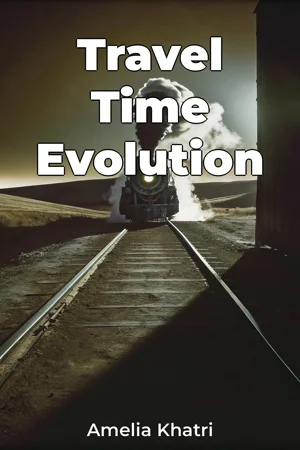
Ever wondered how much the world has shrunk? *Travel Time Evolution* explores the dramatic transformation of human mobility from the dawn of civilization to the present day, revealing how technological advancements have reshaped our experience of distance and profoundly impacted society. This book examines the intertwined histories of transportation technology and societal development, offering a quantitative and qualitative analysis of travel time reduction across different eras and regions. This book tackles two central themes. First, it examines the evolution of transportation technologies, from early walking and animal-powered transport to the sophisticated systems of modern aviation and high-speed rail. It explores how each innovation reshaped the possibilities for human movement and interaction. Second, the book analyzes the socio-economic consequences of reduced travel times, illustrating how faster transport has driven urbanization, facilitated trade, spread cultural ideas, and ultimately transformed the global landscape. It is important to understand these phenomena, as they continue to shape our lives and future trajectories. Understanding this evolution requires a grasp of rudimentary historical timelines and an appreciation for basic engineering principles. We must connect the dots between engineering breakthroughs, economic incentives, and the societal shifts that follow. The central argument is that the relentless pursuit of faster and more efficient transportation has been a primary engine of human progress, constantly compressing space and time to create a more interconnected and interdependent world. This compression is not without its drawbacks, and the book also addresses the environmental and social costs associated with modern transportation systems. *Travel Time Evolution* unfolds in a structured manner. It begins by establishing a baseline: pre-industrial travel, its limitations, and its profound impact on human societies. The book then proceeds to analyze key periods of transportation innovation: the advent of wheeled transport, the age of sail, the steam engine revolution, the rise of automobiles, and the dawn of aviation. Each period is analyzed in terms of its technological advancements, its impact on travel times, and its broader socio-economic consequences. Key chapters will detail specific innovations such as the railroad boom of the 19th century and the impact of commercial aviation in the 20th century, showing how these breakthroughs dramatically reduced travel times and reshaped global trade and migration patterns. The book culminates by examining current trends in transportation technology, such as high-speed rail and autonomous vehicles, and speculating on the future of mobility. It concludes with a discussion on the sustainability challenges and the potential for innovative solutions to mitigate the negative impacts of transportation. The book draws upon a wide range of historical data and technological records. It uses quantitative data on travel times, transportation costs, and infrastructure development, sourced from historical archives, engineering reports, and economic statistics. Qualitative data from travel literature, personal diaries, and journalistic accounts helps to provide a richer and more nuanced understanding of the human experience of travel across different eras. A unique aspect of the research involves compiling a comprehensive database of historical travel times between major cities across the globe, allowing for a quantifiable comparison of the impact of different transportation technologies. This book bridges several disciplines. Its core is rooted in history and technology, it also connects to economics by examining the economic impact of reduced travel times on trade, investment, and economic growth. It touches on sociology by exploring how transportation influences social interactions, migration patterns, and the spread of cultural ideas. Finally, it interfaces with environmental studies by evaluating the environmental consequences of transportation infrastructure and emissions. These interdisciplinary connections enrich the analysis and provide a more holistic understanding of the complex relationship between transportation and society. *Travel Time Evolution* adopts a fact-based and analytical approach. It presents information in a clear, concise, and accessible manner, avoiding jargon and technical complexities. The writing style is designed to engage a broad audience, while maintaining a high level of scholarly rigor. The book is intended for a broad audience, including history enthusiasts, technology buffs, urban planners, transportation professionals, and anyone interested in understanding how transportation has shaped the world we live in. It offers a valuable resource for students, researchers, and policymakers seeking to gain a deeper understanding of the complex interplay between technology, society, and the environment. The book will cover the evolution of travel across various modes and geographies, with particular emphasis on regions and technologies that have driven significant reductions in travel times. While striving for broad coverage, the book may not delve into highly specialized or niche areas of transportation technology. Ultimately, *Travel Time Evolution* offers readers insights into the past, present, and future of human mobility, providing a comprehensive and accessible account of how transportation has shaped our world and continues to do so. The information presented can be used to inform policy decisions, promote sustainable transportation practices, and understand how technological progress impacts society.
Ever wondered how much the world has shrunk? *Travel Time Evolution* explores the dramatic transformation of human mobility from the dawn of civilization to the present day, revealing how technological advancements have reshaped our experience of distance and profoundly impacted society. This book examines the intertwined histories of transportation technology and societal development, offering a quantitative and qualitative analysis of travel time reduction across different eras and regions. This book tackles two central themes. First, it examines the evolution of transportation technologies, from early walking and animal-powered transport to the sophisticated systems of modern aviation and high-speed rail. It explores how each innovation reshaped the possibilities for human movement and interaction. Second, the book analyzes the socio-economic consequences of reduced travel times, illustrating how faster transport has driven urbanization, facilitated trade, spread cultural ideas, and ultimately transformed the global landscape. It is important to understand these phenomena, as they continue to shape our lives and future trajectories. Understanding this evolution requires a grasp of rudimentary historical timelines and an appreciation for basic engineering principles. We must connect the dots between engineering breakthroughs, economic incentives, and the societal shifts that follow. The central argument is that the relentless pursuit of faster and more efficient transportation has been a primary engine of human progress, constantly compressing space and time to create a more interconnected and interdependent world. This compression is not without its drawbacks, and the book also addresses the environmental and social costs associated with modern transportation systems. *Travel Time Evolution* unfolds in a structured manner. It begins by establishing a baseline: pre-industrial travel, its limitations, and its profound impact on human societies. The book then proceeds to analyze key periods of transportation innovation: the advent of wheeled transport, the age of sail, the steam engine revolution, the rise of automobiles, and the dawn of aviation. Each period is analyzed in terms of its technological advancements, its impact on travel times, and its broader socio-economic consequences. Key chapters will detail specific innovations such as the railroad boom of the 19th century and the impact of commercial aviation in the 20th century, showing how these breakthroughs dramatically reduced travel times and reshaped global trade and migration patterns. The book culminates by examining current trends in transportation technology, such as high-speed rail and autonomous vehicles, and speculating on the future of mobility. It concludes with a discussion on the sustainability challenges and the potential for innovative solutions to mitigate the negative impacts of transportation. The book draws upon a wide range of historical data and technological records. It uses quantitative data on travel times, transportation costs, and infrastructure development, sourced from historical archives, engineering reports, and economic statistics. Qualitative data from travel literature, personal diaries, and journalistic accounts helps to provide a richer and more nuanced understanding of the human experience of travel across different eras. A unique aspect of the research involves compiling a comprehensive database of historical travel times between major cities across the globe, allowing for a quantifiable comparison of the impact of different transportation technologies. This book bridges several disciplines. Its core is rooted in history and technology, it also connects to economics by examining the economic impact of reduced travel times on trade, investment, and economic growth. It touches on sociology by exploring how transportation influences social interactions, migration patterns, and the spread of cultural ideas. Finally, it interfaces with environmental studies by evaluating the environmental consequences of transportation infrastructure and emissions. These interdisciplinary connections enrich the analysis and provide a more holistic understanding of the complex relationship between transportation and society. *Travel Time Evolution* adopts a fact-based and analytical approach. It presents information in a clear, concise, and accessible manner, avoiding jargon and technical complexities. The writing style is designed to engage a broad audience, while maintaining a high level of scholarly rigor. The book is intended for a broad audience, including history enthusiasts, technology buffs, urban planners, transportation professionals, and anyone interested in understanding how transportation has shaped the world we live in. It offers a valuable resource for students, researchers, and policymakers seeking to gain a deeper understanding of the complex interplay between technology, society, and the environment. The book will cover the evolution of travel across various modes and geographies, with particular emphasis on regions and technologies that have driven significant reductions in travel times. While striving for broad coverage, the book may not delve into highly specialized or niche areas of transportation technology. Ultimately, *Travel Time Evolution* offers readers insights into the past, present, and future of human mobility, providing a comprehensive and accessible account of how transportation has shaped our world and continues to do so. The information presented can be used to inform policy decisions, promote sustainable transportation practices, and understand how technological progress impacts society.
"Travel Time Evolution" explores how transportation technology has dramatically reshaped human mobility and society. It examines the history of transportation, from early forms to modern aviation and rail, detailing how innovations have reduced travel times, impacting urbanization, global trade, and cultural exchange. The book uniquely quantifies travel time reduction across eras, highlighting how advancements compressed space and time, creating a more interconnected world. The book begins by establishing pre-industrial travel limitations and then analyzes key periods of innovation, such as the steam engine revolution and the rise of automobiles. For example, the railroad boom of the 19th century and commercial aviation in the 20th century are detailed to show how these breakthroughs reshaped global trade. It progresses to examining current trends like high-speed rail and autonomous vehicles, while also addressing the environmental and social costs associated with modern transportation systems.
Book Details
ISBN
9788233960353
Publisher
Publifye AS
Your Licenses
You don't own any licenses for this book
Purchase a license below to unlock this book and download the EPUB.
Purchase License
Select a tier to unlock this book
Need bulk licensing?
Contact us for enterprise agreements.