
About This Book
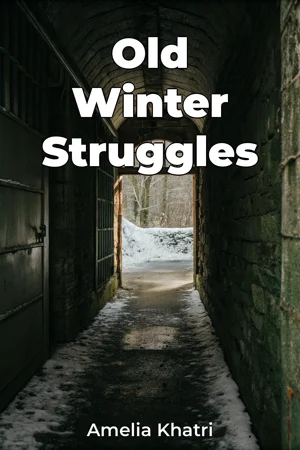
Have you ever considered how drastically winter survival has changed throughout human history? "Old Winter Struggles" delves into this very question, examining the historical challenges of enduring winter's harsh conditions and contrasting them with the relative ease afforded by modern heating technologies and infrastructural advancements. This book is important because it fosters an appreciation for our ancestors' ingenuity and resilience while also prompting reflection on our current relationship with energy consumption and climate impact. We explore two primary areas: first, the lived experiences of past populations navigating winter's demands, and second, the architectural and infrastructural responses developed to mitigate those challenges. A crucial context for understanding these struggles is the long history of climate variability, resource scarcity, and societal constraints that shaped past adaptations. Readers will benefit from a basic understanding of historical climatology and architectural design principles. The central argument is that the evolution of winter survival strategies, as evidenced by architectural innovations and historical accounts, reflects a dynamic interplay between environmental pressures, technological progress, and cultural adaptation. Furthermore, understanding past challenges and solutions offers valuable insights for addressing contemporary issues related to sustainable living and climate change resilience. The book begins by introducing core concepts such as thermal comfort, energy efficiency in pre-industrial societies, and the impact of climate on human settlement patterns. It is structured around three main sections. The first section examines the pre-industrial era, focusing on how societies coped with winter through clothing, food preservation, and community cooperation. The second explores architectural solutions across diverse geographical regions and time periods, highlighting innovations in building materials, insulation techniques, and heating systems (such as hypocausts or traditional stoves). The third analyzes the transition to modern, fossil fuel-dependent heating and infrastructure, evaluating its benefits and drawbacks. The culmination of the argument emphasizes the importance of learning from past adaptations to inform sustainable design principles for the future. Evidence is drawn from a variety of sources, including archaeological records, historical documents (diaries, letters, estate inventories), architectural surveys, and climate data reconstructions. The book also incorporates case studies of specific building types (e.g., medieval castles, traditional farmhouses) and geographical regions (e.g., Scandinavia, the Alps). We utilize comparative analysis to assess the effectiveness of different strategies across varying climatic conditions and cultural contexts. This book connects to other fields such as environmental history, anthropology, and sustainable design. By examining the historical relationship between humans and their environment, the book contributes to a broader understanding of human adaptation and resilience. The analysis of vernacular architecture provides insights into traditional knowledge systems and their potential for informing contemporary design practices. The study of energy consumption patterns offers a historical perspective on current debates about climate change mitigation. A unique aspect of "Old Winter Struggles" is its integrated approach, combining historical accounts with architectural analysis to provide a holistic understanding of winter survival strategies. The book offers a fresh perspective by emphasizing the ingenuity and sustainability of pre-industrial solutions, challenging the notion that progress inevitably leads to improved environmental outcomes. The tone is academic yet accessible, employing clear and concise language to convey complex information. It avoids jargon where possible and provides definitions for technical terms. The writing style is informative and engaging, designed to appeal to a broad audience interested in history, architecture, and environmental issues. The target audience includes students and researchers in history, architecture, and environmental studies, as well as general readers interested in learning about the past and its relevance to the present. The book's value lies in its ability to provide a comprehensive and nuanced understanding of human adaptation to winter climates, offering insights that can inform contemporary approaches to sustainable design and climate change resilience. As a work in Architecture General, History, and Architecture, the book adheres to standards of scholarly rigor, incorporating extensive research and providing detailed citations. However, it also aims to be engaging and accessible, appealing to a wider audience beyond academic specialists. The book's scope is limited to the history of winter survival strategies, with a focus on the northern hemisphere. While it acknowledges the importance of other environmental challenges, its primary focus is on the specific demands of cold climates. The information in the book can be applied practically by architects, urban planners, and policymakers seeking to design more sustainable and resilient buildings and communities. It can also inform individual choices related to energy consumption and climate change mitigation. While there is general agreement on the historical trends of technological development, there are ongoing debates about the relative importance of different factors (e.g., technological innovation vs. social organization) in shaping human adaptation to climate change. "Old Winter Struggles" engages with these debates by presenting a nuanced and evidence-based analysis of the historical record.
Have you ever considered how drastically winter survival has changed throughout human history? "Old Winter Struggles" delves into this very question, examining the historical challenges of enduring winter's harsh conditions and contrasting them with the relative ease afforded by modern heating technologies and infrastructural advancements. This book is important because it fosters an appreciation for our ancestors' ingenuity and resilience while also prompting reflection on our current relationship with energy consumption and climate impact. We explore two primary areas: first, the lived experiences of past populations navigating winter's demands, and second, the architectural and infrastructural responses developed to mitigate those challenges. A crucial context for understanding these struggles is the long history of climate variability, resource scarcity, and societal constraints that shaped past adaptations. Readers will benefit from a basic understanding of historical climatology and architectural design principles. The central argument is that the evolution of winter survival strategies, as evidenced by architectural innovations and historical accounts, reflects a dynamic interplay between environmental pressures, technological progress, and cultural adaptation. Furthermore, understanding past challenges and solutions offers valuable insights for addressing contemporary issues related to sustainable living and climate change resilience. The book begins by introducing core concepts such as thermal comfort, energy efficiency in pre-industrial societies, and the impact of climate on human settlement patterns. It is structured around three main sections. The first section examines the pre-industrial era, focusing on how societies coped with winter through clothing, food preservation, and community cooperation. The second explores architectural solutions across diverse geographical regions and time periods, highlighting innovations in building materials, insulation techniques, and heating systems (such as hypocausts or traditional stoves). The third analyzes the transition to modern, fossil fuel-dependent heating and infrastructure, evaluating its benefits and drawbacks. The culmination of the argument emphasizes the importance of learning from past adaptations to inform sustainable design principles for the future. Evidence is drawn from a variety of sources, including archaeological records, historical documents (diaries, letters, estate inventories), architectural surveys, and climate data reconstructions. The book also incorporates case studies of specific building types (e.g., medieval castles, traditional farmhouses) and geographical regions (e.g., Scandinavia, the Alps). We utilize comparative analysis to assess the effectiveness of different strategies across varying climatic conditions and cultural contexts. This book connects to other fields such as environmental history, anthropology, and sustainable design. By examining the historical relationship between humans and their environment, the book contributes to a broader understanding of human adaptation and resilience. The analysis of vernacular architecture provides insights into traditional knowledge systems and their potential for informing contemporary design practices. The study of energy consumption patterns offers a historical perspective on current debates about climate change mitigation. A unique aspect of "Old Winter Struggles" is its integrated approach, combining historical accounts with architectural analysis to provide a holistic understanding of winter survival strategies. The book offers a fresh perspective by emphasizing the ingenuity and sustainability of pre-industrial solutions, challenging the notion that progress inevitably leads to improved environmental outcomes. The tone is academic yet accessible, employing clear and concise language to convey complex information. It avoids jargon where possible and provides definitions for technical terms. The writing style is informative and engaging, designed to appeal to a broad audience interested in history, architecture, and environmental issues. The target audience includes students and researchers in history, architecture, and environmental studies, as well as general readers interested in learning about the past and its relevance to the present. The book's value lies in its ability to provide a comprehensive and nuanced understanding of human adaptation to winter climates, offering insights that can inform contemporary approaches to sustainable design and climate change resilience. As a work in Architecture General, History, and Architecture, the book adheres to standards of scholarly rigor, incorporating extensive research and providing detailed citations. However, it also aims to be engaging and accessible, appealing to a wider audience beyond academic specialists. The book's scope is limited to the history of winter survival strategies, with a focus on the northern hemisphere. While it acknowledges the importance of other environmental challenges, its primary focus is on the specific demands of cold climates. The information in the book can be applied practically by architects, urban planners, and policymakers seeking to design more sustainable and resilient buildings and communities. It can also inform individual choices related to energy consumption and climate change mitigation. While there is general agreement on the historical trends of technological development, there are ongoing debates about the relative importance of different factors (e.g., technological innovation vs. social organization) in shaping human adaptation to climate change. "Old Winter Struggles" engages with these debates by presenting a nuanced and evidence-based analysis of the historical record.
"Old Winter Struggles" explores humanity's enduring quest to survive winter's challenges throughout history, highlighting our ancestors' resourceful adaptations before modern conveniences. The book examines how societies confronted resource scarcity and climate variability, evidenced by architectural innovations and historical accounts. Intriguingly, pre-industrial societies demonstrated remarkable energy efficiency, relying on building materials and heating systems tailored to their environments. The book progresses by first introducing core concepts, then examining pre-industrial era survival strategies, architectural solutions across diverse regions, and finally the transition to fossil fuel-dependent heating. It uniquely combines historical narratives with architectural analysis, demonstrating that understanding past solutions offers valuable insights for contemporary sustainable design and climate change resilience. By studying vernacular architecture and historical climatology, we can appreciate the ingenuity and sustainability of pre-industrial approaches to winter survival.
Book Details
ISBN
9788233960339
Publisher
Publifye AS
Your Licenses
You don't own any licenses for this book
Purchase a license below to unlock this book and download the EPUB.
Purchase License
Select a tier to unlock this book
Need bulk licensing?
Contact us for enterprise agreements.