
About This Book
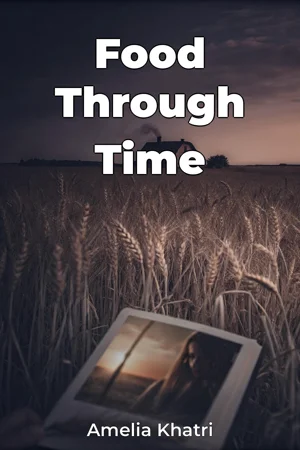
Imagine a world where sustenance is a constant struggle, where famine dictates the course of history, and the bounty of today is but a distant dream. This book, "Food Through Time," explores the dramatic evolution of food systems, from the precarious existence of our ancestors to the unprecedented abundance, and occasional waste, of the modern era. We delve into the intricate interplay of food preservation, agricultural development, and economic forces that have shaped our relationship with what sustains us. This exploration centers around three key concepts: the development and impact of food preservation techniques, the evolution of agricultural practices and their consequential yields, and the economic structures that govern food distribution and accessibility. Understanding these interwoven elements is crucial to grasping the profound transformation in human history from a state of near-constant food scarcity to one of relative surplus, at least in many parts of the world. Our journey begins in prehistory, a time when survival hinged on hunting, gathering, and rudimentary farming. The narrative unfolds through antiquity, examining the agricultural innovations of early civilizations, such as the domestication of crops and animals. We then analyze the Middle Ages, a period marked by advancements in farming technology like crop rotation, alongside recurring famines and localized food crises. The book culminates in a comprehensive overview of the modern era, exploring the Green Revolution, industrial agriculture, and the complexities of global food markets coupled with food waste. "Food Through Time" argues that advancements in food preservation and agricultural technology, coupled with evolving economic systems, have fundamentally reshaped human societies. Without these innovations, the population growth, urbanization, and social development of the past several millennia would have been impossible. These changes, however, have not come without consequences, including environmental degradation, economic disparities, and new nutritional challenges. The book is structured chronologically, beginning with an introduction to the fundamental challenges of food scarcity in early human societies. It proceeds with chapters dedicated to examining agricultural revolutions and innovations, including the development of irrigation systems, the rise of crop rotation methods, and the impact of mechanization in farming. We dedicate significant attention to preservation techniques such as drying, salting, smoking, and canning, and their impact on enabling trade and warfare. The book culminates in a discussion of contemporary issues, including sustainable agriculture, the environmental impact of food production, and the challenge of ensuring food security for a growing global population. The claims throughout the book are supported by historical data on crop yields, demographic trends, economic indicators of food prices and trade, and scientific analyses of food preservation techniques based on archaeological finds and documented historical practices. Much of the research is based on primary sources such as historical agricultural manuals dating back to Roman times, medieval monastic records of food production, and 18th-and-19th-century treatises documenting early techniques for canning and pasteurization. "Food Through Time" is an inherently interdisciplinary study, drawing connections between history, economics, and environmental science. It illuminates the interplay between agricultural policy and its impact on food security, or lack thereof, in developing countries. It also highlights the environmental consequences of modern agricultural practices, such as soil erosion, water pollution, and greenhouse gas emissions. One unique aspect of this book is that it integrates rigorous economic analysis with historical and anthropological perspectives. The book offers a long-term view of food systems and it avoids any sensationalism and focuses on verifiable facts and reasoned analysis. The book's tone is informative and accessible to the educated layperson alongside students and academics. The target audience includes students of history, economics, and environmental studies, as well as anyone interested in understanding the past, present, and future of food systems. It is particularly relevant to policymakers, food industry professionals, and activists working to address issues of food security and sustainability. As a work of history and economics, "Food Through Time" strives to provide a comprehensive and objective account of the evolution of food systems. We acknowledge, however, that the focus is primarily on agricultural development and food preservation in the Western world, with an emphasis on Europe and North America. While acknowledging the limitations inherent in any single study, we aim to provide a foundation for further research and a greater understanding of the complex challenges facing our global food system. The knowledge gained from "Food Through Time" offers practical insights into the challenges of creating sustainable and equitable food systems. It can inform policies aimed at reducing food waste, promoting sustainable agricultural practices, and ensuring access to nutritious food for all. The book engages with ongoing debates about the ethics of industrial agriculture, the role of technology in food production, and the impact of food systems on public health. The aim is to provide readers with a nuanced understanding of these complex issues to promote informed discussions.
Imagine a world where sustenance is a constant struggle, where famine dictates the course of history, and the bounty of today is but a distant dream. This book, "Food Through Time," explores the dramatic evolution of food systems, from the precarious existence of our ancestors to the unprecedented abundance, and occasional waste, of the modern era. We delve into the intricate interplay of food preservation, agricultural development, and economic forces that have shaped our relationship with what sustains us. This exploration centers around three key concepts: the development and impact of food preservation techniques, the evolution of agricultural practices and their consequential yields, and the economic structures that govern food distribution and accessibility. Understanding these interwoven elements is crucial to grasping the profound transformation in human history from a state of near-constant food scarcity to one of relative surplus, at least in many parts of the world. Our journey begins in prehistory, a time when survival hinged on hunting, gathering, and rudimentary farming. The narrative unfolds through antiquity, examining the agricultural innovations of early civilizations, such as the domestication of crops and animals. We then analyze the Middle Ages, a period marked by advancements in farming technology like crop rotation, alongside recurring famines and localized food crises. The book culminates in a comprehensive overview of the modern era, exploring the Green Revolution, industrial agriculture, and the complexities of global food markets coupled with food waste. "Food Through Time" argues that advancements in food preservation and agricultural technology, coupled with evolving economic systems, have fundamentally reshaped human societies. Without these innovations, the population growth, urbanization, and social development of the past several millennia would have been impossible. These changes, however, have not come without consequences, including environmental degradation, economic disparities, and new nutritional challenges. The book is structured chronologically, beginning with an introduction to the fundamental challenges of food scarcity in early human societies. It proceeds with chapters dedicated to examining agricultural revolutions and innovations, including the development of irrigation systems, the rise of crop rotation methods, and the impact of mechanization in farming. We dedicate significant attention to preservation techniques such as drying, salting, smoking, and canning, and their impact on enabling trade and warfare. The book culminates in a discussion of contemporary issues, including sustainable agriculture, the environmental impact of food production, and the challenge of ensuring food security for a growing global population. The claims throughout the book are supported by historical data on crop yields, demographic trends, economic indicators of food prices and trade, and scientific analyses of food preservation techniques based on archaeological finds and documented historical practices. Much of the research is based on primary sources such as historical agricultural manuals dating back to Roman times, medieval monastic records of food production, and 18th-and-19th-century treatises documenting early techniques for canning and pasteurization. "Food Through Time" is an inherently interdisciplinary study, drawing connections between history, economics, and environmental science. It illuminates the interplay between agricultural policy and its impact on food security, or lack thereof, in developing countries. It also highlights the environmental consequences of modern agricultural practices, such as soil erosion, water pollution, and greenhouse gas emissions. One unique aspect of this book is that it integrates rigorous economic analysis with historical and anthropological perspectives. The book offers a long-term view of food systems and it avoids any sensationalism and focuses on verifiable facts and reasoned analysis. The book's tone is informative and accessible to the educated layperson alongside students and academics. The target audience includes students of history, economics, and environmental studies, as well as anyone interested in understanding the past, present, and future of food systems. It is particularly relevant to policymakers, food industry professionals, and activists working to address issues of food security and sustainability. As a work of history and economics, "Food Through Time" strives to provide a comprehensive and objective account of the evolution of food systems. We acknowledge, however, that the focus is primarily on agricultural development and food preservation in the Western world, with an emphasis on Europe and North America. While acknowledging the limitations inherent in any single study, we aim to provide a foundation for further research and a greater understanding of the complex challenges facing our global food system. The knowledge gained from "Food Through Time" offers practical insights into the challenges of creating sustainable and equitable food systems. It can inform policies aimed at reducing food waste, promoting sustainable agricultural practices, and ensuring access to nutritious food for all. The book engages with ongoing debates about the ethics of industrial agriculture, the role of technology in food production, and the impact of food systems on public health. The aim is to provide readers with a nuanced understanding of these complex issues to promote informed discussions.
"Food Through Time" offers an exploration of how food systems have evolved, examining agricultural development, food preservation, and economic forces from prehistory to the modern era. It highlights how innovations in these areas have transformed human societies, enabling population growth and urbanization. A key insight is the shift from near-constant food scarcity to relative surplus in many regions, driven by advancements like crop rotation and preservation techniques such as drying and salting, which facilitated trade and warfare. The book approaches its subject chronologically, starting with early hunting and gathering societies and progressing through the agricultural innovations of ancient civilizations and the challenges of the Middle Ages, including recurring famines. It culminates in an analysis of modern industrial agriculture, global food markets, and the issue of food waste. The narrative emphasizes the interdisciplinary nature of food systems, connecting history, economics, and environmental science to provide a comprehensive understanding of the past, present, and future of food.
Book Details
ISBN
9788233960292
Publisher
Publifye AS
Your Licenses
You don't own any licenses for this book
Purchase a license below to unlock this book and download the EPUB.
Purchase License
Select a tier to unlock this book
Need bulk licensing?
Contact us for enterprise agreements.