
About This Book
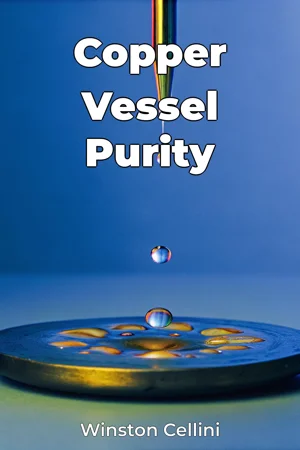
Could the secret to cleaner, safer water have been lying in plain sight for millennia? This book, *Copper Vessel Purity*, explores the science behind the antimicrobial properties of copper when used for water storage, connecting ancient practices with modern microbiology. Its relevance lies in re-evaluating traditional methods of water purification in an era grappling with water scarcity and contamination, offering potentially sustainable and cost-effective solutions, particularly for resource-limited communities. We will delve first into the historical context, examining the use of copper vessels for water storage across various cultures, from ancient Egypt and India to pre-Columbian America. This section will analyze archaeological evidence and historical texts to understand the prevalence and significance of copper in water purification, assuming a basic understanding of historical research methods. We will then transition into the core scientific foundation: the oligodynamic effect of copper. This involves a detailed explanation of how copper ions interact with and neutralize microorganisms, including bacteria, viruses, and algae, building upon fundamental principles of microbiology and inorganic chemistry. The book’s central argument is that the antimicrobial properties of copper water storage, historically employed intuitively, are now scientifically validated and represent a viable, though not universally applicable, method for improving water quality. The book is structured to progressively build upon these foundations. Initially, we establish the history and then move to present the scientific evidence supporting copper's antimicrobial actions. This is followed by a comparative analysis of copper's effectiveness against a range of common waterborne pathogens, drawing upon laboratory studies and field trials. A critical section will address the potential toxicity of copper, outlining safe usage parameters and exploring methods to mitigate any adverse effects. The book culminates in a discussion of the practical applications of copper water storage in various settings, including rural communities, disaster relief efforts, and even urban environments, while acknowledging limitations in treating heavily polluted water sources. It will also explore how copper compares to other water purification techniques, providing a balanced view. Evidence presented will include a synthesis of existing scientific literature, meta-analyses of relevant studies, and potentially original research data on the efficacy of different copper alloys in water purification. We will incorporate data from environmental microbiology, materials science, and public health research. The book draws interdisciplinary connections between history, microbiology, and environmental science, highlighting the importance of understanding traditional practices through a scientific lens. It also connects to public health by exploring potential applications for waterborne disease prevention. The unique perspective of *Copper Vessel Purity* lies in its comprehensive integration of historical practices with rigorous scientific analysis. Rather than simply advocating for copper water storage as a panacea, it critically examines its potential benefits and limitations, offering a balanced and evidence-based assessment. The writing style will be academic but accessible, aiming to bridge the gap between scientific research and practical application. Complex scientific concepts will be explained clearly and concisely, with helpful diagrams and illustrations. The intended audience includes students and researchers in microbiology, environmental science, and public health, as well as policymakers and individuals interested in sustainable water purification solutions. This book will be valuable to those seeking a deeper understanding of the scientific basis for traditional practices and exploring alternative approaches to water treatment. As a work of scientific non-fiction, the book will adhere to conventions of accuracy, objectivity, and proper citation of sources. The scope of the book is limited to the antimicrobial properties of copper in water storage and does not extend to other applications of copper in water treatment, such as copper-based algaecides. Real-world applications discussed include the design of low-cost copper water filters for developing countries and the integration of copper piping in building water systems to inhibit microbial growth. The book will also address ongoing debates regarding the optimal copper concentration for antimicrobial efficacy and the potential for copper resistance in microorganisms.
Could the secret to cleaner, safer water have been lying in plain sight for millennia? This book, *Copper Vessel Purity*, explores the science behind the antimicrobial properties of copper when used for water storage, connecting ancient practices with modern microbiology. Its relevance lies in re-evaluating traditional methods of water purification in an era grappling with water scarcity and contamination, offering potentially sustainable and cost-effective solutions, particularly for resource-limited communities. We will delve first into the historical context, examining the use of copper vessels for water storage across various cultures, from ancient Egypt and India to pre-Columbian America. This section will analyze archaeological evidence and historical texts to understand the prevalence and significance of copper in water purification, assuming a basic understanding of historical research methods. We will then transition into the core scientific foundation: the oligodynamic effect of copper. This involves a detailed explanation of how copper ions interact with and neutralize microorganisms, including bacteria, viruses, and algae, building upon fundamental principles of microbiology and inorganic chemistry. The book’s central argument is that the antimicrobial properties of copper water storage, historically employed intuitively, are now scientifically validated and represent a viable, though not universally applicable, method for improving water quality. The book is structured to progressively build upon these foundations. Initially, we establish the history and then move to present the scientific evidence supporting copper's antimicrobial actions. This is followed by a comparative analysis of copper's effectiveness against a range of common waterborne pathogens, drawing upon laboratory studies and field trials. A critical section will address the potential toxicity of copper, outlining safe usage parameters and exploring methods to mitigate any adverse effects. The book culminates in a discussion of the practical applications of copper water storage in various settings, including rural communities, disaster relief efforts, and even urban environments, while acknowledging limitations in treating heavily polluted water sources. It will also explore how copper compares to other water purification techniques, providing a balanced view. Evidence presented will include a synthesis of existing scientific literature, meta-analyses of relevant studies, and potentially original research data on the efficacy of different copper alloys in water purification. We will incorporate data from environmental microbiology, materials science, and public health research. The book draws interdisciplinary connections between history, microbiology, and environmental science, highlighting the importance of understanding traditional practices through a scientific lens. It also connects to public health by exploring potential applications for waterborne disease prevention. The unique perspective of *Copper Vessel Purity* lies in its comprehensive integration of historical practices with rigorous scientific analysis. Rather than simply advocating for copper water storage as a panacea, it critically examines its potential benefits and limitations, offering a balanced and evidence-based assessment. The writing style will be academic but accessible, aiming to bridge the gap between scientific research and practical application. Complex scientific concepts will be explained clearly and concisely, with helpful diagrams and illustrations. The intended audience includes students and researchers in microbiology, environmental science, and public health, as well as policymakers and individuals interested in sustainable water purification solutions. This book will be valuable to those seeking a deeper understanding of the scientific basis for traditional practices and exploring alternative approaches to water treatment. As a work of scientific non-fiction, the book will adhere to conventions of accuracy, objectivity, and proper citation of sources. The scope of the book is limited to the antimicrobial properties of copper in water storage and does not extend to other applications of copper in water treatment, such as copper-based algaecides. Real-world applications discussed include the design of low-cost copper water filters for developing countries and the integration of copper piping in building water systems to inhibit microbial growth. The book will also address ongoing debates regarding the optimal copper concentration for antimicrobial efficacy and the potential for copper resistance in microorganisms.
*Copper Vessel Purity* explores the science behind using copper for water purification, linking ancient traditions with modern microbiology. The book examines the historical use of copper vessels across various cultures, highlighting copper's antimicrobial properties and potential for sustainable water solutions. It acknowledges the oligodynamic effect, where copper ions neutralize microorganisms, offering a cost-effective method, especially in resource-limited areas. The book progresses from historical context to scientific validation, analyzing copper's effectiveness against waterborne pathogens through lab studies and field trials. It addresses potential copper toxicity, outlining safe usage and mitigation methods. The unique value lies in integrating historical practices with scientific analysis, offering a balanced assessment of copper's benefits and limitations in diverse settings like rural communities and disaster relief. The book highlights how this traditional practice can be a tool for waterborne disease prevention using a scientific lens.
Book Details
ISBN
9788233960001
Publisher
Publifye AS
Your Licenses
You don't own any licenses for this book
Purchase a license below to unlock this book and download the EPUB.
Purchase License
Select a tier to unlock this book
Need bulk licensing?
Contact us for enterprise agreements.