
About This Book
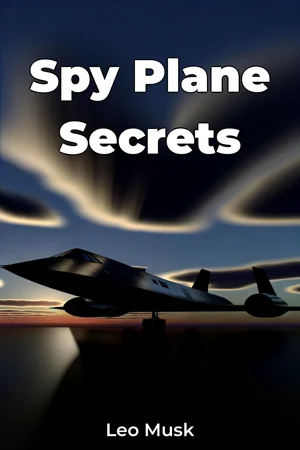
High above the clouds, at altitudes where conventional aircraft dare not venture, specialized reconnaissance aircraft have shaped the course of military history and international relations since the Cold War. "Spy Plane Secrets" unveils the technical innovations, operational challenges, and strategic implications of aerial reconnaissance missions that have remained classified for decades. This comprehensive examination of spy plane development and deployment covers three major periods: the pioneering U-2 program of the 1950s, the SR-71 Blackbird era spanning the 1960s through 1990s, and modern reconnaissance platforms including unmanned aerial vehicles. The book presents declassified documents, technical specifications, and firsthand accounts from pilots and engineers who pushed the boundaries of aerospace technology. Through detailed analysis of mission profiles, sensor systems, and countermeasures, readers gain insight into how aerial reconnaissance transformed intelligence gathering and influenced critical military decisions. The text explores the intricate relationship between technological advancement and strategic necessity, demonstrating how each new capability sparked an evolutionary response in defensive systems worldwide. The book's core argument establishes that aerial reconnaissance platforms served not only as intelligence-gathering assets but as crucial deterrents during periods of international tension. This thesis is supported by examining specific missions, including the Cuban Missile Crisis overflights and Cold War surveillance operations along the Soviet border. Drawing from recently declassified military archives, technical manuals, and interviews with former operators, each chapter builds a detailed picture of spy plane capabilities and limitations. The narrative follows the technological progression from basic camera systems to sophisticated multi-spectrum sensors and electronic intelligence gathering equipment. The work connects aerospace engineering, geopolitical strategy, and photographic interpretation, showing how advances in one field drove innovation in others. These interdisciplinary links reveal the complex ecosystem of military intelligence gathering and its impact on international relations and defense policy. The book maintains an analytical tone while providing accessible explanations of technical concepts. Written for military historians, aviation enthusiasts, and intelligence professionals, it serves as both a historical reference and a study of technological evolution in military applications. Practical sections detail how reconnaissance data influenced military planning and diplomatic negotiations, offering readers insight into the decision-making processes at the highest levels of government. The text addresses ongoing debates about the role of manned versus unmanned reconnaissance platforms and the balance between satellite and aerial surveillance capabilities. Geographic coverage spans global operations, with particular focus on strategic hotspots during the Cold War and subsequent conflicts. The book acknowledges certain operational details remain classified, focusing instead on confirmed missions and technical capabilities that have been officially acknowledged. This work stands apart through its integration of technical specifications, operational history, and strategic analysis, providing a complete picture of how spy planes shaped modern military intelligence gathering. It serves as a vital resource for understanding the evolution of aerial reconnaissance and its continued relevance in contemporary military operations. The book concludes by examining current trends in aerial surveillance technology and their implications for future military operations, intelligence gathering, and international security frameworks.
High above the clouds, at altitudes where conventional aircraft dare not venture, specialized reconnaissance aircraft have shaped the course of military history and international relations since the Cold War. "Spy Plane Secrets" unveils the technical innovations, operational challenges, and strategic implications of aerial reconnaissance missions that have remained classified for decades. This comprehensive examination of spy plane development and deployment covers three major periods: the pioneering U-2 program of the 1950s, the SR-71 Blackbird era spanning the 1960s through 1990s, and modern reconnaissance platforms including unmanned aerial vehicles. The book presents declassified documents, technical specifications, and firsthand accounts from pilots and engineers who pushed the boundaries of aerospace technology. Through detailed analysis of mission profiles, sensor systems, and countermeasures, readers gain insight into how aerial reconnaissance transformed intelligence gathering and influenced critical military decisions. The text explores the intricate relationship between technological advancement and strategic necessity, demonstrating how each new capability sparked an evolutionary response in defensive systems worldwide. The book's core argument establishes that aerial reconnaissance platforms served not only as intelligence-gathering assets but as crucial deterrents during periods of international tension. This thesis is supported by examining specific missions, including the Cuban Missile Crisis overflights and Cold War surveillance operations along the Soviet border. Drawing from recently declassified military archives, technical manuals, and interviews with former operators, each chapter builds a detailed picture of spy plane capabilities and limitations. The narrative follows the technological progression from basic camera systems to sophisticated multi-spectrum sensors and electronic intelligence gathering equipment. The work connects aerospace engineering, geopolitical strategy, and photographic interpretation, showing how advances in one field drove innovation in others. These interdisciplinary links reveal the complex ecosystem of military intelligence gathering and its impact on international relations and defense policy. The book maintains an analytical tone while providing accessible explanations of technical concepts. Written for military historians, aviation enthusiasts, and intelligence professionals, it serves as both a historical reference and a study of technological evolution in military applications. Practical sections detail how reconnaissance data influenced military planning and diplomatic negotiations, offering readers insight into the decision-making processes at the highest levels of government. The text addresses ongoing debates about the role of manned versus unmanned reconnaissance platforms and the balance between satellite and aerial surveillance capabilities. Geographic coverage spans global operations, with particular focus on strategic hotspots during the Cold War and subsequent conflicts. The book acknowledges certain operational details remain classified, focusing instead on confirmed missions and technical capabilities that have been officially acknowledged. This work stands apart through its integration of technical specifications, operational history, and strategic analysis, providing a complete picture of how spy planes shaped modern military intelligence gathering. It serves as a vital resource for understanding the evolution of aerial reconnaissance and its continued relevance in contemporary military operations. The book concludes by examining current trends in aerial surveillance technology and their implications for future military operations, intelligence gathering, and international security frameworks.
"Spy Plane Secrets" takes readers on a fascinating journey through the evolution of aerial reconnaissance, exploring how specialized aircraft operating at extreme altitudes have fundamentally shaped military intelligence and international relations since the Cold War. The book masterfully weaves together declassified documents, technical specifications, and firsthand accounts from pilots and engineers to reveal the intricate world of military surveillance aircraft, from the pioneering U-2 program to the legendary SR-71 Blackbird and modern unmanned aerial vehicles. Through a carefully structured narrative, the book illuminates how these remarkable aircraft served dual roles as both intelligence-gathering platforms and strategic deterrents during periods of international tension. Notable examples include the crucial reconnaissance missions during the Cuban Missile Crisis and surveillance operations along the Soviet border. The text expertly balances technical detail with accessible explanations, making complex aerospace concepts understandable for both aviation enthusiasts and military history buffs. The book progresses chronologically through three major eras of aerial reconnaissance, examining how advances in technology drove innovations in military strategy and international relations. Drawing from recently declassified military archives and interviews, it provides unprecedented insights into how reconnaissance data influenced military planning and diplomatic negotiations at the highest levels of government. This comprehensive approach, combining technical specifications with operational history and strategic analysis, offers readers a complete understanding of how spy planes revolutionized military intelligence gathering and continues to shape modern surveillance capabilities.
Book Details
ISBN
9788233959876
Publisher
Publifye AS
Your Licenses
You don't own any licenses for this book
Purchase a license below to unlock this book and download the EPUB.
Purchase License
Select a tier to unlock this book
Need bulk licensing?
Contact us for enterprise agreements.