
About This Book
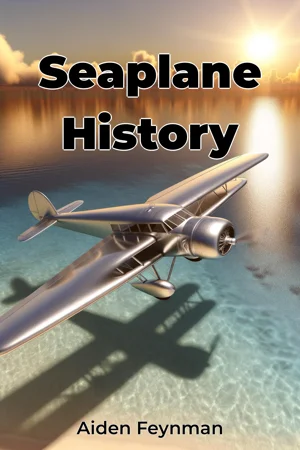
When the Wright brothers achieved powered flight in 1903, a parallel revolution was taking shape on the water's surface. "Seaplane History" traces the remarkable journey of aircraft that could operate from both land and sea, fundamentally changing maritime operations, exploration, and warfare throughout the 20th century. This comprehensive examination follows the technical evolution of seaplanes from their early wooden frames to sophisticated military patrol aircraft. The book presents three main developmental phases: the pioneering period (1910-1925), the golden age of flying boats (1925-1945), and the transition to specialized military and civilian roles (1945-present). The narrative begins with Glenn Curtiss's groundbreaking experiments with floatplanes in 1911, demonstrating how early aviation pioneers solved the unique challenges of water-based takeoffs and landings. Through detailed technical analysis, the book explores the engineering advances that enabled seaplanes to become vital tools for long-distance transportation and military reconnaissance before the advent of land-based airports. Central to the book's thesis is the seaplane's pivotal role in expanding human reach across vast oceanic expanses. Drawing from military archives, engineering documents, and pilot accounts, the text illustrates how seaplanes bridged critical maritime gaps during both World Wars, serving as essential platforms for anti-submarine warfare and search-and-rescue operations. The content is structured chronologically, examining key developments through three major sections. The first addresses technical innovation and early adoption, including the development of hull designs and water-resistant materials. The second section covers military applications, from coastal patrol to aircraft carrier alternatives. The final section examines specialized modern applications, including firefighting and remote access transportation. Research presented includes technical specifications from manufacturer archives, military operation reports, and interviews with veteran pilots and engineers. The book incorporates recently declassified documents that shed new light on seaplane operations during the Cold War period. The work connects multiple disciplines, linking aeronautical engineering with naval strategy and maritime commerce. It explores how seaplane development influenced civilian aviation design and coastal defense doctrine, while also examining the economic factors that shaped their commercial use. Written in a technical yet accessible style, the book serves military historians, aviation enthusiasts, and engineering professionals. It provides detailed technical drawings, operational statistics, and firsthand accounts while maintaining a clear narrative thread throughout. The scope encompasses both successful designs and failed experiments, offering insights into why certain approaches proved more viable than others. While focusing primarily on military and exploration applications, the book acknowledges commercial passenger services and modern specialized uses. Particular attention is given to ongoing debates about the future role of seaplanes in modern aviation, including their potential for remote region access and disaster response. The text examines current seaplane development programs in various countries and their implications for maritime operations. This work fills a significant gap in aviation literature by providing a comprehensive examination of seaplane development and its lasting impact on military and civilian operations. It offers practical insights for modern aviation professionals while preserving crucial historical knowledge about this unique category of aircraft.
When the Wright brothers achieved powered flight in 1903, a parallel revolution was taking shape on the water's surface. "Seaplane History" traces the remarkable journey of aircraft that could operate from both land and sea, fundamentally changing maritime operations, exploration, and warfare throughout the 20th century. This comprehensive examination follows the technical evolution of seaplanes from their early wooden frames to sophisticated military patrol aircraft. The book presents three main developmental phases: the pioneering period (1910-1925), the golden age of flying boats (1925-1945), and the transition to specialized military and civilian roles (1945-present). The narrative begins with Glenn Curtiss's groundbreaking experiments with floatplanes in 1911, demonstrating how early aviation pioneers solved the unique challenges of water-based takeoffs and landings. Through detailed technical analysis, the book explores the engineering advances that enabled seaplanes to become vital tools for long-distance transportation and military reconnaissance before the advent of land-based airports. Central to the book's thesis is the seaplane's pivotal role in expanding human reach across vast oceanic expanses. Drawing from military archives, engineering documents, and pilot accounts, the text illustrates how seaplanes bridged critical maritime gaps during both World Wars, serving as essential platforms for anti-submarine warfare and search-and-rescue operations. The content is structured chronologically, examining key developments through three major sections. The first addresses technical innovation and early adoption, including the development of hull designs and water-resistant materials. The second section covers military applications, from coastal patrol to aircraft carrier alternatives. The final section examines specialized modern applications, including firefighting and remote access transportation. Research presented includes technical specifications from manufacturer archives, military operation reports, and interviews with veteran pilots and engineers. The book incorporates recently declassified documents that shed new light on seaplane operations during the Cold War period. The work connects multiple disciplines, linking aeronautical engineering with naval strategy and maritime commerce. It explores how seaplane development influenced civilian aviation design and coastal defense doctrine, while also examining the economic factors that shaped their commercial use. Written in a technical yet accessible style, the book serves military historians, aviation enthusiasts, and engineering professionals. It provides detailed technical drawings, operational statistics, and firsthand accounts while maintaining a clear narrative thread throughout. The scope encompasses both successful designs and failed experiments, offering insights into why certain approaches proved more viable than others. While focusing primarily on military and exploration applications, the book acknowledges commercial passenger services and modern specialized uses. Particular attention is given to ongoing debates about the future role of seaplanes in modern aviation, including their potential for remote region access and disaster response. The text examines current seaplane development programs in various countries and their implications for maritime operations. This work fills a significant gap in aviation literature by providing a comprehensive examination of seaplane development and its lasting impact on military and civilian operations. It offers practical insights for modern aviation professionals while preserving crucial historical knowledge about this unique category of aircraft.
"Seaplane History" chronicles the fascinating evolution of water-capable aircraft from the early 20th century to the present day, revealing how these versatile machines revolutionized maritime operations, exploration, and warfare. Beginning with Glenn Curtiss's pioneering floatplane experiments in 1911, the book traces the remarkable journey from primitive wooden frames to sophisticated military patrol aircraft, examining three crucial developmental phases spanning over a century of aviation innovation. The narrative weaves together technical advancement and historical significance, highlighting how seaplanes bridged critical maritime gaps during both World Wars and served as essential platforms for anti-submarine warfare and search-and-rescue operations. Through detailed analysis of military archives, engineering documents, and pilot accounts, readers gain insight into the unique challenges of water-based aviation and the ingenious solutions that made seaplanes vital tools for long-distance transportation before conventional airports became widespread. Structured chronologically across three major sections, the book explores everything from early technical innovations and military applications to modern specialized roles in firefighting and remote access transportation. What sets this work apart is its comprehensive approach, combining detailed technical specifications with firsthand accounts and recently declassified documents, making it an invaluable resource for military historians, aviation enthusiasts, and engineering professionals alike. The book concludes by examining contemporary seaplane developments and their potential future roles in maritime operations and disaster response.
Book Details
ISBN
9788233959791
Publisher
Publifye AS
Your Licenses
You don't own any licenses for this book
Purchase a license below to unlock this book and download the EPUB.
Purchase License
Select a tier to unlock this book
Need bulk licensing?
Contact us for enterprise agreements.