
About This Book
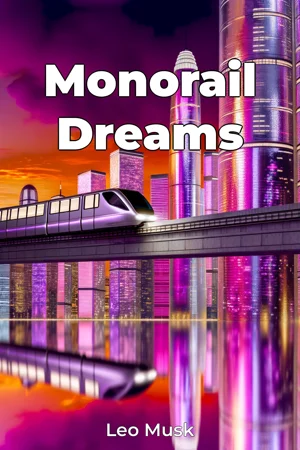
From the elevated tracks of Walt Disney's pioneering ALWEG system to the sleek urban networks of modern Asian metropolises, "Monorail Dreams" traces the evolution of one of transportation's most distinctive innovations. This comprehensive exploration examines how monorail technology has persistently captured the public imagination while developing into a practical transit solution for growing cities. The book presents three core themes: the technical development of monorail systems from their 19th-century origins to present day, the cultural impact of monorails as symbols of future mobility, and the practical applications of monorail technology in solving contemporary urban transportation challenges. Through detailed analysis of engineering breakthroughs, urban planning decisions, and social factors, readers gain insight into both the technical and human elements that have shaped monorail development. Drawing from engineering archives, urban planning documents, and interviews with transport specialists, the book chronicles key moments in monorail history. These include the development of gyroscopic stabilization systems, the implementation of automated control systems, and the creation of modern suspended designs. The narrative connects these technical achievements to broader societal trends, showing how monorails became embedded in mid-20th century visions of progress. The work is structured in three main sections. The first examines the engineering principles behind different monorail designs, from the early Wuppertal Schwebebahn to modern maglev systems. The second section analyzes successful implementations worldwide, including detailed case studies of systems in Japan, China, and Germany. The final section explores future possibilities, including urban integration strategies and emerging technologies that could reshape monorail capabilities. Research presented includes previously unpublished technical specifications, ridership data from major systems, and economic analyses comparing monorail infrastructure costs to traditional rail options. The book incorporates insights from transportation engineers, urban planners, and public policy experts to provide multiple perspectives on monorail development and implementation. The text connects transportation engineering with urban studies, environmental science, and social history. This interdisciplinary approach demonstrates how monorail development has influenced and been influenced by city planning, environmental concerns, and changing social needs. The book maintains an analytical tone while remaining accessible to readers with general interest in transportation or urban development. "Monorail Dreams" offers particular value to urban planners, transportation engineers, and policy makers involved in transit system development. It provides practical frameworks for evaluating monorail feasibility in different urban contexts and understanding the long-term implications of various design choices. The work addresses ongoing debates about cost-effectiveness, urban integration, and the role of monorails in sustainable transportation networks. The book acknowledges both the successes and limitations of monorail systems, examining why some implementations have thrived while others have struggled. It concludes by presenting a balanced assessment of monorails' potential role in future transportation networks, considering factors such as population density, geographical constraints, and environmental impact. Through careful analysis of historical developments, current applications, and future possibilities, "Monorail Dreams" provides readers with a thorough understanding of monorail technology's place in the broader context of urban transportation. It serves as both a technical reference and a thoughtful examination of how transportation technology shapes and is shaped by human aspirations for the future.
From the elevated tracks of Walt Disney's pioneering ALWEG system to the sleek urban networks of modern Asian metropolises, "Monorail Dreams" traces the evolution of one of transportation's most distinctive innovations. This comprehensive exploration examines how monorail technology has persistently captured the public imagination while developing into a practical transit solution for growing cities. The book presents three core themes: the technical development of monorail systems from their 19th-century origins to present day, the cultural impact of monorails as symbols of future mobility, and the practical applications of monorail technology in solving contemporary urban transportation challenges. Through detailed analysis of engineering breakthroughs, urban planning decisions, and social factors, readers gain insight into both the technical and human elements that have shaped monorail development. Drawing from engineering archives, urban planning documents, and interviews with transport specialists, the book chronicles key moments in monorail history. These include the development of gyroscopic stabilization systems, the implementation of automated control systems, and the creation of modern suspended designs. The narrative connects these technical achievements to broader societal trends, showing how monorails became embedded in mid-20th century visions of progress. The work is structured in three main sections. The first examines the engineering principles behind different monorail designs, from the early Wuppertal Schwebebahn to modern maglev systems. The second section analyzes successful implementations worldwide, including detailed case studies of systems in Japan, China, and Germany. The final section explores future possibilities, including urban integration strategies and emerging technologies that could reshape monorail capabilities. Research presented includes previously unpublished technical specifications, ridership data from major systems, and economic analyses comparing monorail infrastructure costs to traditional rail options. The book incorporates insights from transportation engineers, urban planners, and public policy experts to provide multiple perspectives on monorail development and implementation. The text connects transportation engineering with urban studies, environmental science, and social history. This interdisciplinary approach demonstrates how monorail development has influenced and been influenced by city planning, environmental concerns, and changing social needs. The book maintains an analytical tone while remaining accessible to readers with general interest in transportation or urban development. "Monorail Dreams" offers particular value to urban planners, transportation engineers, and policy makers involved in transit system development. It provides practical frameworks for evaluating monorail feasibility in different urban contexts and understanding the long-term implications of various design choices. The work addresses ongoing debates about cost-effectiveness, urban integration, and the role of monorails in sustainable transportation networks. The book acknowledges both the successes and limitations of monorail systems, examining why some implementations have thrived while others have struggled. It concludes by presenting a balanced assessment of monorails' potential role in future transportation networks, considering factors such as population density, geographical constraints, and environmental impact. Through careful analysis of historical developments, current applications, and future possibilities, "Monorail Dreams" provides readers with a thorough understanding of monorail technology's place in the broader context of urban transportation. It serves as both a technical reference and a thoughtful examination of how transportation technology shapes and is shaped by human aspirations for the future.
"Monorail Dreams" offers a fascinating journey through the evolution of monorail technology, from Walt Disney's groundbreaking ALWEG system to today's cutting-edge installations in modern Asian cities. This comprehensive exploration weaves together the technical advancement of monorail systems with their cultural significance as symbols of futuristic transportation, while examining their practical role in addressing urban mobility challenges. The book uniquely combines engineering specifics, such as the development of gyroscopic stabilization and automated control systems, with broader societal implications of monorail technology. Through previously unpublished technical specifications and ridership data, readers gain insight into how these elevated transit systems have shaped urban development and public imagination. The narrative spans from the 19th-century origins of monorails to contemporary maglev systems, incorporating perspectives from transportation engineers, urban planners, and policy experts. Structured in three comprehensive sections, the book progresses from fundamental engineering principles through real-world implementations to future possibilities. It presents detailed case studies of successful systems in Japan, China, and Germany, while honestly addressing both achievements and limitations of monorail technology. This balanced approach, supported by economic analyses and environmental impact assessments, makes it an invaluable resource for understanding the past, present, and potential future of urban transportation systems.
Book Details
ISBN
9788233959753
Publisher
Publifye AS
Your Licenses
You don't own any licenses for this book
Purchase a license below to unlock this book and download the EPUB.
Purchase License
Select a tier to unlock this book
Need bulk licensing?
Contact us for enterprise agreements.