
About This Book
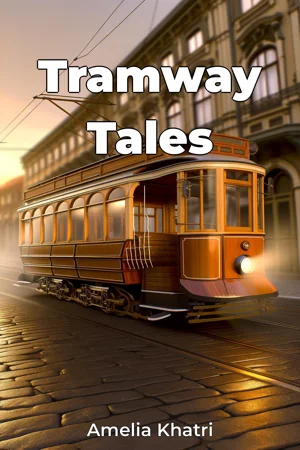
From horse-drawn carriages to electric-powered vehicles, the story of tramways reflects humanity's quest for efficient urban transportation. "Tramway Tales" traces this remarkable journey, examining how these rail-based systems have shaped cities and continue to influence modern urban planning. This comprehensive examination begins with the technological evolution of tramways, from their inception in the early 19th century to their near-extinction in the mid-20th century, and their subsequent revival in contemporary cities. The book presents detailed analysis of engineering developments, urban planning decisions, and social factors that influenced tramway systems across different eras. Through extensive research drawing from municipal archives, engineering records, and urban development studies, the book illustrates how tramways have adapted to changing cities. The first section explores the initial boom period, when horse-drawn trams gave way to electric systems, revolutionizing urban mobility. The second part examines the decline of tramways, coinciding with the rise of automobiles and changing urban priorities. The final section analyzes the modern resurgence of trams, focusing on their role in sustainable transportation solutions. The book argues that tramways represent more than just a mode of transport—they are catalysts for urban development and indicators of a city's approach to public space. This thesis is supported by case studies from cities worldwide, including Melbourne's preserved network, Portland's pioneering modern system, and France's transformative new installations. Technical aspects are presented alongside social implications, making complex engineering concepts accessible to general readers while maintaining depth for transportation professionals. The text examines track design evolution, power systems, and modern innovations in low-floor technology and regenerative braking, while also considering how these developments affect urban living patterns. The narrative connects transportation engineering with urban planning, environmental science, and social history. It demonstrates how tramway development intersects with issues of climate change, urban density, and public health, providing context for current debates about sustainable urban mobility. The research incorporates data from transportation authorities, urban planning departments, and environmental impact studies. Statistical analysis of ridership patterns, environmental benefits, and economic impacts provides empirical support for the book's arguments about tramways' role in urban development. Written in an analytical yet engaging style, the book serves both as a historical record and a practical guide for urban planners, transportation engineers, and policy makers. It addresses ongoing debates about cost-effectiveness, integration with existing transport networks, and the balance between various transportation modes in urban settings. The work maintains objectivity when discussing controversial aspects, such as the initial costs of implementation versus long-term benefits, and the impact on existing traffic patterns. It presents multiple perspectives on these issues, allowing readers to form informed opinions. "Tramway Tales" concludes by examining future possibilities, including autonomous trams, integrated mobility solutions, and the role of tramways in creating car-free city centers. This forward-looking analysis helps readers understand how past developments inform future transportation choices, making the book relevant for anyone interested in urban development, sustainable transportation, or the intersection of technology and city planning.
From horse-drawn carriages to electric-powered vehicles, the story of tramways reflects humanity's quest for efficient urban transportation. "Tramway Tales" traces this remarkable journey, examining how these rail-based systems have shaped cities and continue to influence modern urban planning. This comprehensive examination begins with the technological evolution of tramways, from their inception in the early 19th century to their near-extinction in the mid-20th century, and their subsequent revival in contemporary cities. The book presents detailed analysis of engineering developments, urban planning decisions, and social factors that influenced tramway systems across different eras. Through extensive research drawing from municipal archives, engineering records, and urban development studies, the book illustrates how tramways have adapted to changing cities. The first section explores the initial boom period, when horse-drawn trams gave way to electric systems, revolutionizing urban mobility. The second part examines the decline of tramways, coinciding with the rise of automobiles and changing urban priorities. The final section analyzes the modern resurgence of trams, focusing on their role in sustainable transportation solutions. The book argues that tramways represent more than just a mode of transport—they are catalysts for urban development and indicators of a city's approach to public space. This thesis is supported by case studies from cities worldwide, including Melbourne's preserved network, Portland's pioneering modern system, and France's transformative new installations. Technical aspects are presented alongside social implications, making complex engineering concepts accessible to general readers while maintaining depth for transportation professionals. The text examines track design evolution, power systems, and modern innovations in low-floor technology and regenerative braking, while also considering how these developments affect urban living patterns. The narrative connects transportation engineering with urban planning, environmental science, and social history. It demonstrates how tramway development intersects with issues of climate change, urban density, and public health, providing context for current debates about sustainable urban mobility. The research incorporates data from transportation authorities, urban planning departments, and environmental impact studies. Statistical analysis of ridership patterns, environmental benefits, and economic impacts provides empirical support for the book's arguments about tramways' role in urban development. Written in an analytical yet engaging style, the book serves both as a historical record and a practical guide for urban planners, transportation engineers, and policy makers. It addresses ongoing debates about cost-effectiveness, integration with existing transport networks, and the balance between various transportation modes in urban settings. The work maintains objectivity when discussing controversial aspects, such as the initial costs of implementation versus long-term benefits, and the impact on existing traffic patterns. It presents multiple perspectives on these issues, allowing readers to form informed opinions. "Tramway Tales" concludes by examining future possibilities, including autonomous trams, integrated mobility solutions, and the role of tramways in creating car-free city centers. This forward-looking analysis helps readers understand how past developments inform future transportation choices, making the book relevant for anyone interested in urban development, sustainable transportation, or the intersection of technology and city planning.
"Tramway Tales" presents a fascinating journey through the evolution of urban rail transportation, from horse-drawn carriages to modern electric trams, exploring how these systems have fundamentally shaped our cities. The book masterfully weaves together technological advancement, urban development, and social change to tell the story of one of humanity's most enduring transportation solutions. Through carefully researched case studies from cities like Melbourne and Portland, it reveals how tramways have repeatedly proven themselves as catalysts for sustainable urban development. The narrative unfolds across three distinct periods: the initial boom of tramways in the 19th century, their decline during the automotive age, and their modern renaissance as a solution for sustainable urban mobility. What makes this book particularly valuable is its accessible presentation of complex engineering concepts, making it relevant for both general readers and transportation professionals. The author skillfully balances technical details about track design and power systems with broader discussions of urban planning and environmental impact. Drawing from extensive municipal archives and engineering records, the book demonstrates how tramways represent more than just transportation infrastructure—they're indicators of a city's approach to public space and sustainable development. The work concludes with an exploration of future possibilities, including autonomous trams and car-free city centers, making it an essential resource for anyone interested in the intersection of urban planning, sustainable transportation, and technological innovation.
Book Details
ISBN
9788233959678
Publisher
Publifye AS
Your Licenses
You don't own any licenses for this book
Purchase a license below to unlock this book and download the EPUB.
Purchase License
Select a tier to unlock this book
Need bulk licensing?
Contact us for enterprise agreements.