
About This Book
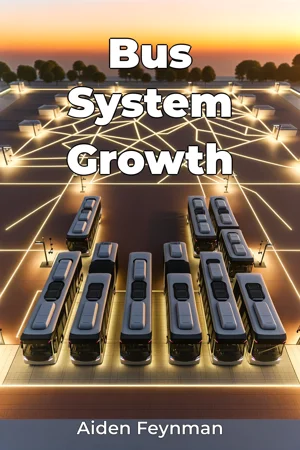
"Bus System Growth" examines how public transportation networks evolved from simple routes to complex, interconnected systems that shape modern urban mobility. From the first horse-drawn omnibuses to today's sophisticated bus rapid transit systems, this comprehensive analysis reveals the technological, social, and economic factors driving public transportation development. The book presents three core themes: the technological progression of bus systems, the economic models that sustain them, and their role in urban development. These interconnected aspects demonstrate how bus networks have become essential infrastructure in cities worldwide, influencing everything from real estate development to social equity. Drawing from extensive transportation data spanning 1950-2020, the author presents detailed case studies from major global cities, including London's comprehensive network evolution, Curitiba's innovative bus rapid transit system, and Singapore's integrated transport approach. This research combines historical records, operational statistics, and urban planning documents to create a thorough understanding of bus system development. The central argument posits that successful bus systems result from the careful integration of technology, policy, and community needs. The book demonstrates how this integration has evolved through distinct phases: initial implementation, system optimization, and modern smart integration. Each phase brought unique challenges and solutions that continue to influence current transportation planning. The content is structured in four major sections. The first establishes the historical context of bus transportation, from early motorized vehicles to modern electric fleets. The second section analyzes successful system implementations across different urban environments. The third examines the economic and operational models that support sustainable bus networks. The final section explores future trends, including autonomous vehicles and integrated mobility solutions. The analysis connects multiple disciplines, linking urban planning principles with environmental science and economic theory. This interdisciplinary approach helps readers understand how bus systems influence and are influenced by city development, environmental policies, and social dynamics. The book's methodological approach combines quantitative analysis of operational data with qualitative assessments of social impact. It includes detailed examinations of passenger behaviors, route optimization strategies, and the environmental benefits of mass transit systems. This dual approach provides both practical insights for transportation professionals and theoretical framework for urban planners. Written in a technical yet accessible style, the book targets transportation professionals, urban planners, policy makers, and students of urban development. It provides practical tools for system analysis, planning methodologies, and implementation strategies while maintaining academic rigor. The scope encompasses both established and emerging transportation markets, offering insights applicable to cities at various stages of development. While focusing primarily on bus systems, the book acknowledges their role within broader transportation networks, including rail, bicycle, and pedestrian infrastructure. For practitioners, the book includes detailed case studies of successful system implementations, financial modeling tools, and planning frameworks. These resources enable readers to apply proven strategies to their own transportation challenges while avoiding common pitfalls in system development. The work addresses ongoing debates in the field, including the role of private versus public operation, the impact of ride-sharing services, and the transition to zero-emission vehicles. These discussions provide context for current decision-making while acknowledging the evolving nature of urban transportation.
"Bus System Growth" examines how public transportation networks evolved from simple routes to complex, interconnected systems that shape modern urban mobility. From the first horse-drawn omnibuses to today's sophisticated bus rapid transit systems, this comprehensive analysis reveals the technological, social, and economic factors driving public transportation development. The book presents three core themes: the technological progression of bus systems, the economic models that sustain them, and their role in urban development. These interconnected aspects demonstrate how bus networks have become essential infrastructure in cities worldwide, influencing everything from real estate development to social equity. Drawing from extensive transportation data spanning 1950-2020, the author presents detailed case studies from major global cities, including London's comprehensive network evolution, Curitiba's innovative bus rapid transit system, and Singapore's integrated transport approach. This research combines historical records, operational statistics, and urban planning documents to create a thorough understanding of bus system development. The central argument posits that successful bus systems result from the careful integration of technology, policy, and community needs. The book demonstrates how this integration has evolved through distinct phases: initial implementation, system optimization, and modern smart integration. Each phase brought unique challenges and solutions that continue to influence current transportation planning. The content is structured in four major sections. The first establishes the historical context of bus transportation, from early motorized vehicles to modern electric fleets. The second section analyzes successful system implementations across different urban environments. The third examines the economic and operational models that support sustainable bus networks. The final section explores future trends, including autonomous vehicles and integrated mobility solutions. The analysis connects multiple disciplines, linking urban planning principles with environmental science and economic theory. This interdisciplinary approach helps readers understand how bus systems influence and are influenced by city development, environmental policies, and social dynamics. The book's methodological approach combines quantitative analysis of operational data with qualitative assessments of social impact. It includes detailed examinations of passenger behaviors, route optimization strategies, and the environmental benefits of mass transit systems. This dual approach provides both practical insights for transportation professionals and theoretical framework for urban planners. Written in a technical yet accessible style, the book targets transportation professionals, urban planners, policy makers, and students of urban development. It provides practical tools for system analysis, planning methodologies, and implementation strategies while maintaining academic rigor. The scope encompasses both established and emerging transportation markets, offering insights applicable to cities at various stages of development. While focusing primarily on bus systems, the book acknowledges their role within broader transportation networks, including rail, bicycle, and pedestrian infrastructure. For practitioners, the book includes detailed case studies of successful system implementations, financial modeling tools, and planning frameworks. These resources enable readers to apply proven strategies to their own transportation challenges while avoiding common pitfalls in system development. The work addresses ongoing debates in the field, including the role of private versus public operation, the impact of ride-sharing services, and the transition to zero-emission vehicles. These discussions provide context for current decision-making while acknowledging the evolving nature of urban transportation.
"Bus System Growth" provides a comprehensive exploration of how public transportation networks have evolved from basic horse-drawn carriages to today's sophisticated transit systems. The book masterfully weaves together technological advancement, economic sustainability, and urban development to demonstrate how bus networks have become crucial infrastructure in modern cities. Through detailed case studies of major global cities like London and Singapore, readers gain practical insights into successful system implementations and their lasting impact on urban landscapes. The book's unique strength lies in its interdisciplinary approach, combining quantitative operational data with qualitative social impact assessments. Drawing from extensive transportation data spanning 1950-2020, it reveals how successful bus systems emerge from the careful integration of technology, policy, and community needs. The analysis covers everything from passenger behavior patterns to route optimization strategies, making it particularly valuable for transportation professionals and urban planners seeking practical solutions to modern transit challenges. Structured in four major sections, the book progresses logically from historical context through system implementation, economic models, and future trends. It addresses contemporary debates such as private versus public operations and the transition to zero-emission vehicles, while maintaining a balanced perspective on how bus systems fit within broader transportation networks. The inclusion of detailed case studies, financial modeling tools, and planning frameworks makes this an essential resource for anyone involved in urban transportation development.
Book Details
ISBN
9788233959647
Publisher
Publifye AS
Your Licenses
You don't own any licenses for this book
Purchase a license below to unlock this book and download the EPUB.
Purchase License
Select a tier to unlock this book
Need bulk licensing?
Contact us for enterprise agreements.