
About This Book
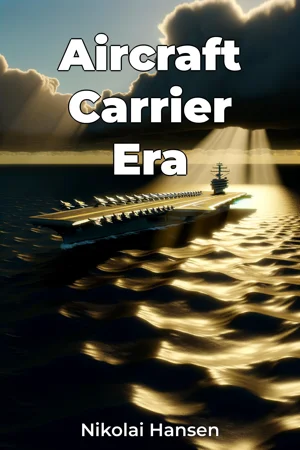
The deployment of the USS Langley in 1922 marked the beginning of a revolutionary transformation in naval warfare, ushering in an era where air power would become the dominant force in maritime strategy. "Aircraft Carrier Era" presents a comprehensive analysis of how these floating air bases reshaped military dynamics, geopolitical relationships, and the fundamental nature of naval combat throughout the 20th century and beyond. The book examines three pivotal aspects of carrier development: the technological evolution from converted coal ships to nuclear-powered supercarriers, the tactical innovations that emerged during World War II's Pacific Theater, and the strategic implications of carrier groups in modern naval operations. Through detailed technical specifications, battle analyses, and strategic assessments, readers gain insight into how carriers became the cornerstone of naval power projection. Drawing from naval archives, engineering documents, and military records spanning nine decades, the work traces the parallel development of carrier vessels and their aircraft. The narrative demonstrates how advancements in propulsion systems, flight deck design, and aircraft launch mechanisms solved critical operational challenges. Particular attention is given to the integration of radar systems, nuclear propulsion, and modern electronic warfare capabilities that define contemporary carrier operations. The book's central argument establishes that aircraft carriers fundamentally altered the calculus of naval power, extending a nation's military reach far beyond traditional fleet capabilities. This thesis is supported through analysis of key historical engagements, including the Battle of Midway, which demonstrated carriers' ability to decide major naval confrontations without ships ever sighting each other. Technical aspects of carrier operations are explained through detailed examinations of flight deck management, aircraft maintenance cycles, and logistics chains that support these floating cities. The work connects military engineering with operational doctrine, showing how technological capabilities shaped tactical possibilities and strategic thinking. The interdisciplinary approach bridges military history with mechanical engineering, incorporating elements of aerospace technology, maritime engineering, and strategic studies. This integration provides readers with a complete understanding of how carriers function as complex systems rather than mere vessels. The book maintains an academic tone while remaining accessible to military enthusiasts and engineering professionals. Technical concepts are clearly explained without oversimplification, using diagrams and case studies to illustrate complex operations. The writing style balances detailed analysis with narrative flow, making sophisticated concepts understandable to an informed general audience. Particular attention is paid to current debates regarding carrier vulnerability to modern anti-ship missiles and the role of carriers in future conflicts. The work addresses these controversies through technical analysis and historical parallels, offering measured assessments of carrier adaptability and relevance. The scope encompasses both historical development and contemporary applications, examining how carrier operations continue to evolve in response to new threats and technologies. While focused primarily on major naval powers, the book includes analysis of smaller nations' carrier programs and their strategic implications. For military professionals, defense analysts, and engineering students, the book provides practical insights into carrier design, operations, and strategic employment. The technical specifications and operational procedures detailed throughout offer valuable reference material for those involved in naval operations or maritime engineering. This comprehensive examination of aircraft carriers delivers a thorough understanding of how these vessels revolutionized naval warfare and continue to influence global maritime strategy, making it an essential resource for anyone interested in military technology, naval operations, or maritime engineering.
The deployment of the USS Langley in 1922 marked the beginning of a revolutionary transformation in naval warfare, ushering in an era where air power would become the dominant force in maritime strategy. "Aircraft Carrier Era" presents a comprehensive analysis of how these floating air bases reshaped military dynamics, geopolitical relationships, and the fundamental nature of naval combat throughout the 20th century and beyond. The book examines three pivotal aspects of carrier development: the technological evolution from converted coal ships to nuclear-powered supercarriers, the tactical innovations that emerged during World War II's Pacific Theater, and the strategic implications of carrier groups in modern naval operations. Through detailed technical specifications, battle analyses, and strategic assessments, readers gain insight into how carriers became the cornerstone of naval power projection. Drawing from naval archives, engineering documents, and military records spanning nine decades, the work traces the parallel development of carrier vessels and their aircraft. The narrative demonstrates how advancements in propulsion systems, flight deck design, and aircraft launch mechanisms solved critical operational challenges. Particular attention is given to the integration of radar systems, nuclear propulsion, and modern electronic warfare capabilities that define contemporary carrier operations. The book's central argument establishes that aircraft carriers fundamentally altered the calculus of naval power, extending a nation's military reach far beyond traditional fleet capabilities. This thesis is supported through analysis of key historical engagements, including the Battle of Midway, which demonstrated carriers' ability to decide major naval confrontations without ships ever sighting each other. Technical aspects of carrier operations are explained through detailed examinations of flight deck management, aircraft maintenance cycles, and logistics chains that support these floating cities. The work connects military engineering with operational doctrine, showing how technological capabilities shaped tactical possibilities and strategic thinking. The interdisciplinary approach bridges military history with mechanical engineering, incorporating elements of aerospace technology, maritime engineering, and strategic studies. This integration provides readers with a complete understanding of how carriers function as complex systems rather than mere vessels. The book maintains an academic tone while remaining accessible to military enthusiasts and engineering professionals. Technical concepts are clearly explained without oversimplification, using diagrams and case studies to illustrate complex operations. The writing style balances detailed analysis with narrative flow, making sophisticated concepts understandable to an informed general audience. Particular attention is paid to current debates regarding carrier vulnerability to modern anti-ship missiles and the role of carriers in future conflicts. The work addresses these controversies through technical analysis and historical parallels, offering measured assessments of carrier adaptability and relevance. The scope encompasses both historical development and contemporary applications, examining how carrier operations continue to evolve in response to new threats and technologies. While focused primarily on major naval powers, the book includes analysis of smaller nations' carrier programs and their strategic implications. For military professionals, defense analysts, and engineering students, the book provides practical insights into carrier design, operations, and strategic employment. The technical specifications and operational procedures detailed throughout offer valuable reference material for those involved in naval operations or maritime engineering. This comprehensive examination of aircraft carriers delivers a thorough understanding of how these vessels revolutionized naval warfare and continue to influence global maritime strategy, making it an essential resource for anyone interested in military technology, naval operations, or maritime engineering.
"Aircraft Carrier Era" presents a compelling exploration of how aircraft carriers revolutionized naval warfare, starting with the USS Langley's deployment in 1922. The book masterfully weaves together technological evolution, tactical innovations, and strategic implications of these floating air bases that became the cornerstone of maritime military power. Through a careful examination of nine decades of naval archives and engineering documents, readers discover how these massive vessels transformed from converted coal ships into nuclear-powered supercarriers. The narrative particularly shines in its analysis of pivotal moments like the Battle of Midway, demonstrating how carriers fundamentally changed naval combat by enabling decisive victories without ships ever seeing each other. Technical aspects are thoroughly explained, from flight deck management to complex maintenance cycles, making sophisticated engineering concepts accessible to both military enthusiasts and professionals. The book's unique strength lies in its interdisciplinary approach, bridging military history with mechanical engineering while maintaining a clear, engaging narrative. Moving chronologically through carrier development, the work addresses contemporary challenges facing carrier operations, including debates about vulnerability to modern anti-ship missiles. By connecting historical lessons with current strategic concerns, the book offers valuable insights into the future of naval warfare. The comprehensive analysis of flight deck design, propulsion systems, and electronic warfare capabilities provides readers with a complete understanding of how these floating cities operate and continue to shape global maritime strategy.
Book Details
ISBN
9788233959463
Publisher
Publifye AS
Your Licenses
You don't own any licenses for this book
Purchase a license below to unlock this book and download the EPUB.
Purchase License
Select a tier to unlock this book
Need bulk licensing?
Contact us for enterprise agreements.