
About This Book
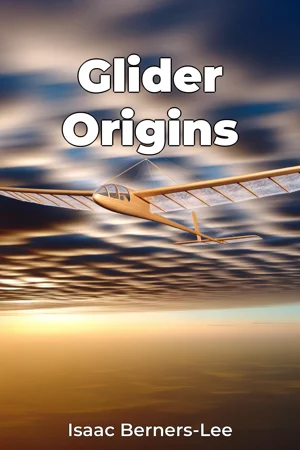
"Glider Origins" traces humanity's first successful attempts to conquer the skies, beginning with the pivotal moment in 1891 when Otto Lilienthal made his first controlled gliding flights, proving that human air travel was possible. This comprehensive exploration of glider development bridges the gap between ancient dreams of flight and modern aviation technology. The book presents three fundamental aspects of glider history: the engineering principles that make unpowered flight possible, the pioneering figures who advanced glider design, and the evolution of gliding from experimental science to recreational sport. Through detailed technical analysis and historical documentation, readers discover how early glider experiments laid the foundation for powered flight and modern aeronautics. Drawing from primary sources, engineering archives, and technical manuscripts, the narrative follows the progression of glider development across different cultures and time periods. The text examines how German gliding movements of the 1920s and 1930s influenced aircraft design, and how wartime restrictions paradoxically advanced glider technology through necessity and innovation. The book is structured in chronological sections, beginning with early attempts at glider flight in ancient China and medieval Europe. It then focuses on the scientific breakthrough period of the 19th century, followed by the refinement era of the early 20th century, and culminating in modern glider applications and sport aviation. Each chapter combines technical insights with human stories, explaining both the mechanics of flight and the aspirations of the inventors. Readers will understand the critical aerodynamic principles that govern glider flight, including lift, drag, and thermal dynamics. The text provides detailed analyses of various glider designs, from Cayley's early models to modern high-performance sailplanes, supported by technical drawings, wind tunnel data, and flight test results. The interdisciplinary nature of glider development is explored through connections to meteorology, materials science, and physics. The book demonstrates how advances in weather prediction and materials technology directly influenced glider capabilities and safety. It also addresses the psychological aspects of unpowered flight, examining why gliding continues to captivate pilots and engineers. Written in a technical yet accessible style, "Glider Origins" serves both engineering professionals and aviation enthusiasts. The content maintains academic rigor while using clear explanations and practical examples to illustrate complex concepts. Technical terminology is carefully introduced and explained, making the material accessible to readers with varying levels of engineering knowledge. The book includes analysis of current debates in the field, such as the role of glider design in sustainable aviation and the future of unmanned glider technology in atmospheric research. It examines how modern computational fluid dynamics has revealed new insights about historical glider designs and their relative effectiveness. The scope encompasses both civilian and military applications, from training aircraft pilots to deploying troops and supplies. Special attention is given to the role of gliders in scientific research, including high-altitude atmospheric studies and the testing of new aerodynamic concepts. The target audience includes mechanical engineers, aviation historians, glider pilots, and students of aeronautical engineering. The book serves as both a technical reference and a historical document, providing valuable insights into the development of flight technology and its impact on human achievement in aerospace engineering.
"Glider Origins" traces humanity's first successful attempts to conquer the skies, beginning with the pivotal moment in 1891 when Otto Lilienthal made his first controlled gliding flights, proving that human air travel was possible. This comprehensive exploration of glider development bridges the gap between ancient dreams of flight and modern aviation technology. The book presents three fundamental aspects of glider history: the engineering principles that make unpowered flight possible, the pioneering figures who advanced glider design, and the evolution of gliding from experimental science to recreational sport. Through detailed technical analysis and historical documentation, readers discover how early glider experiments laid the foundation for powered flight and modern aeronautics. Drawing from primary sources, engineering archives, and technical manuscripts, the narrative follows the progression of glider development across different cultures and time periods. The text examines how German gliding movements of the 1920s and 1930s influenced aircraft design, and how wartime restrictions paradoxically advanced glider technology through necessity and innovation. The book is structured in chronological sections, beginning with early attempts at glider flight in ancient China and medieval Europe. It then focuses on the scientific breakthrough period of the 19th century, followed by the refinement era of the early 20th century, and culminating in modern glider applications and sport aviation. Each chapter combines technical insights with human stories, explaining both the mechanics of flight and the aspirations of the inventors. Readers will understand the critical aerodynamic principles that govern glider flight, including lift, drag, and thermal dynamics. The text provides detailed analyses of various glider designs, from Cayley's early models to modern high-performance sailplanes, supported by technical drawings, wind tunnel data, and flight test results. The interdisciplinary nature of glider development is explored through connections to meteorology, materials science, and physics. The book demonstrates how advances in weather prediction and materials technology directly influenced glider capabilities and safety. It also addresses the psychological aspects of unpowered flight, examining why gliding continues to captivate pilots and engineers. Written in a technical yet accessible style, "Glider Origins" serves both engineering professionals and aviation enthusiasts. The content maintains academic rigor while using clear explanations and practical examples to illustrate complex concepts. Technical terminology is carefully introduced and explained, making the material accessible to readers with varying levels of engineering knowledge. The book includes analysis of current debates in the field, such as the role of glider design in sustainable aviation and the future of unmanned glider technology in atmospheric research. It examines how modern computational fluid dynamics has revealed new insights about historical glider designs and their relative effectiveness. The scope encompasses both civilian and military applications, from training aircraft pilots to deploying troops and supplies. Special attention is given to the role of gliders in scientific research, including high-altitude atmospheric studies and the testing of new aerodynamic concepts. The target audience includes mechanical engineers, aviation historians, glider pilots, and students of aeronautical engineering. The book serves as both a technical reference and a historical document, providing valuable insights into the development of flight technology and its impact on human achievement in aerospace engineering.
"Glider Origins" offers a captivating journey through the evolution of unpowered flight, from ancient dreams to modern engineering marvels. Beginning with Otto Lilienthal's groundbreaking controlled flights in 1891, the book weaves together the technical foundations of aerodynamics with the compelling stories of aviation pioneers who dared to challenge gravity. Through meticulous research drawing from primary sources and engineering archives, readers discover how early glider experiments laid the essential groundwork for all modern aviation. The narrative progresses chronologically, exploring three key aspects: the fundamental engineering principles of unpowered flight, the visionary inventors who advanced glider technology, and the transformation of gliding from experimental science to recreational pursuit. Particularly fascinating is the examination of how German gliding movements of the 1920s and 1930s, along with wartime necessity, drove significant technological innovations in aircraft design. The book expertly balances technical content with accessibility, explaining complex concepts like lift, drag, and thermal dynamics through clear examples and practical applications. What sets this work apart is its comprehensive interdisciplinary approach, connecting glider development to meteorology, materials science, and physics. The book explores both civilian and military applications, from training pilots to conducting atmospheric research, while maintaining a focus on the engineering principles that make unpowered flight possible. For mechanical engineers, aviation enthusiasts, and students alike, it serves as both a technical reference and a testament to human ingenuity in the quest for flight.
Book Details
ISBN
9788233959425
Publisher
Publifye AS
Your Licenses
You don't own any licenses for this book
Purchase a license below to unlock this book and download the EPUB.
Purchase License
Select a tier to unlock this book
Need bulk licensing?
Contact us for enterprise agreements.