
About This Book
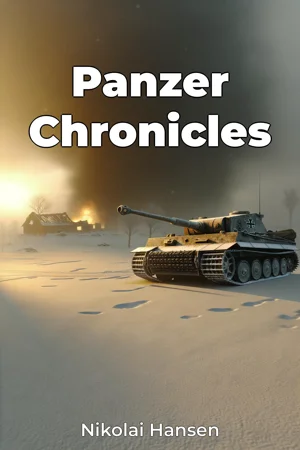
The evolution of armored warfare changed the face of modern military history, with the German Panzer divisions serving as the spearhead of this revolutionary transformation. "Panzer Chronicles" traces the development, deployment, and lasting impact of these formidable machines from their inception in the aftermath of World War I through their defining role in World War II and beyond. This comprehensive examination begins with the clandestine development of German tanks during the Weimar Republic, demonstrating how military engineers circumvented Treaty of Versailles restrictions to create what would become the backbone of mechanized warfare. The book presents detailed technical analyses of key Panzer models, from the early Panzer I to the renowned Panzer VI Tiger, incorporating recently declassified documents and engineering specifications that shed new light on their design philosophy and operational capabilities. Through three main sections, the book explores the technical evolution of Panzer design, the development of tactical doctrine, and the operational impact of these machines on military strategy. The first section examines the mechanical and engineering challenges faced by German designers, including the crucial balance between armor protection, firepower, and mobility. The second part analyzes how military theorists like Heinz Guderian developed the concept of Blitzkrieg around these vehicles, revolutionizing military doctrine. The final section evaluates the operational effectiveness of Panzer divisions across various campaigns, from the invasion of Poland to the Eastern Front. Drawing from extensive primary sources, including military archives, technical manuscripts, and firsthand accounts from tank commanders, the book provides an unprecedented look at the intersection of mechanical engineering and military strategy. Technical specifications are presented alongside tactical analyses, making complex engineering concepts accessible to both military historians and technology enthusiasts. The research connects multiple disciplines, linking mechanical engineering principles with military strategy, industrial production capabilities, and the socio-political factors that influenced tank development. This interdisciplinary approach provides readers with a complete understanding of how technological advancement shapes military doctrine and national strategy. The book addresses several ongoing debates in military history, including the relative effectiveness of German versus Allied tank designs, the true impact of Panzer divisions on early war successes, and the role of industrial capacity in determining military outcomes. These discussions are supported by statistical analyses of production numbers, combat effectiveness reports, and detailed performance comparisons. Written in a methodical, academic style that maintains accessibility, "Panzer Chronicles" serves multiple audiences, from military history scholars to engineering students and armored warfare enthusiasts. The text includes technical diagrams, battlefield maps, and detailed appendices that provide comprehensive reference material for researchers. This work distinguishes itself through its integration of recently available technical documentation and its systematic analysis of how engineering decisions influenced battlefield tactics. While focused primarily on German tank development, the book acknowledges limitations in scope by maintaining clear parameters around the Panzer program specifically, rather than attempting to cover all aspects of World War II armored warfare. The practical applications of this historical analysis extend to modern military doctrine, industrial design principles, and project management in complex engineering endeavors. For military professionals, historians, and engineers, the book offers valuable insights into the relationship between technological innovation and strategic advantage in both military and civilian contexts.
The evolution of armored warfare changed the face of modern military history, with the German Panzer divisions serving as the spearhead of this revolutionary transformation. "Panzer Chronicles" traces the development, deployment, and lasting impact of these formidable machines from their inception in the aftermath of World War I through their defining role in World War II and beyond. This comprehensive examination begins with the clandestine development of German tanks during the Weimar Republic, demonstrating how military engineers circumvented Treaty of Versailles restrictions to create what would become the backbone of mechanized warfare. The book presents detailed technical analyses of key Panzer models, from the early Panzer I to the renowned Panzer VI Tiger, incorporating recently declassified documents and engineering specifications that shed new light on their design philosophy and operational capabilities. Through three main sections, the book explores the technical evolution of Panzer design, the development of tactical doctrine, and the operational impact of these machines on military strategy. The first section examines the mechanical and engineering challenges faced by German designers, including the crucial balance between armor protection, firepower, and mobility. The second part analyzes how military theorists like Heinz Guderian developed the concept of Blitzkrieg around these vehicles, revolutionizing military doctrine. The final section evaluates the operational effectiveness of Panzer divisions across various campaigns, from the invasion of Poland to the Eastern Front. Drawing from extensive primary sources, including military archives, technical manuscripts, and firsthand accounts from tank commanders, the book provides an unprecedented look at the intersection of mechanical engineering and military strategy. Technical specifications are presented alongside tactical analyses, making complex engineering concepts accessible to both military historians and technology enthusiasts. The research connects multiple disciplines, linking mechanical engineering principles with military strategy, industrial production capabilities, and the socio-political factors that influenced tank development. This interdisciplinary approach provides readers with a complete understanding of how technological advancement shapes military doctrine and national strategy. The book addresses several ongoing debates in military history, including the relative effectiveness of German versus Allied tank designs, the true impact of Panzer divisions on early war successes, and the role of industrial capacity in determining military outcomes. These discussions are supported by statistical analyses of production numbers, combat effectiveness reports, and detailed performance comparisons. Written in a methodical, academic style that maintains accessibility, "Panzer Chronicles" serves multiple audiences, from military history scholars to engineering students and armored warfare enthusiasts. The text includes technical diagrams, battlefield maps, and detailed appendices that provide comprehensive reference material for researchers. This work distinguishes itself through its integration of recently available technical documentation and its systematic analysis of how engineering decisions influenced battlefield tactics. While focused primarily on German tank development, the book acknowledges limitations in scope by maintaining clear parameters around the Panzer program specifically, rather than attempting to cover all aspects of World War II armored warfare. The practical applications of this historical analysis extend to modern military doctrine, industrial design principles, and project management in complex engineering endeavors. For military professionals, historians, and engineers, the book offers valuable insights into the relationship between technological innovation and strategic advantage in both military and civilian contexts.
"Panzer Chronicles" delivers a comprehensive exploration of how German tank development revolutionized modern warfare, focusing on the technical innovation and strategic impact of these armored vehicles from post-World War I through World War II. The book uniquely weaves together mechanical engineering aspects with military doctrine, examining how the secret development of tanks during the Weimar Republic evolved into the formidable Panzer divisions that would define armored warfare. Through three distinct sections, the narrative progresses from the technical challenges faced by German engineers in designing vehicles like the legendary Tiger tank to the development of Blitzkrieg tactics under Heinz Guderian's influence. Drawing from recently declassified documents and firsthand accounts from tank commanders, the book presents complex engineering concepts alongside tactical analyses, making technical specifications accessible to both military history enthusiasts and engineering students. What sets this work apart is its interdisciplinary approach, combining detailed mechanical analysis with strategic insights while incorporating statistical data on production numbers and combat effectiveness. The book addresses key debates in military history, such as the comparative effectiveness of German versus Allied tank designs, while maintaining academic rigor without sacrificing readability. By connecting technological advancement with military strategy and industrial capabilities, it offers valuable insights for modern military professionals, historians, and engineers alike.
Book Details
ISBN
9788233959401
Publisher
Publifye AS
Your Licenses
You don't own any licenses for this book
Purchase a license below to unlock this book and download the EPUB.
Purchase License
Select a tier to unlock this book
Need bulk licensing?
Contact us for enterprise agreements.