
About This Book
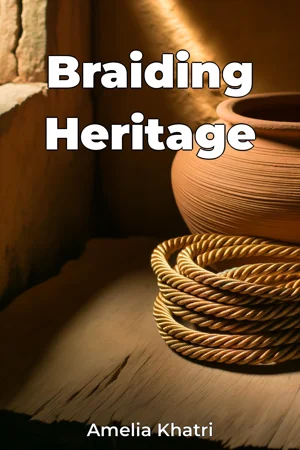
Throughout history, the art of braiding has served as more than just a method of styling hair—it has been a powerful form of cultural expression, social signaling, and artistic preservation. "Braiding Heritage" takes readers on a comprehensive journey through the intricate world of braiding across civilizations, combining detailed historical research with practical instruction. The book examines how braiding techniques evolved from functional necessity to complex cultural symbols, exploring traditions from Ancient Egyptian cornrows that denoted social status to Indigenous American styles that chronicled family histories. Through careful analysis of archaeological evidence, historical documents, and oral traditions, readers discover how different societies developed their unique braiding languages. Divided into three main sections, the book first establishes the historical foundation of braiding practices, drawing from archaeological findings, ancient texts, and preserved artistic representations. The second section details the cultural significance of various braiding styles, examining how patterns and techniques reflect societal values, religious beliefs, and community identities. The final section provides step-by-step instruction for recreating historical braiding patterns, complete with detailed illustrations and contemporary adaptations. The research presented combines anthropological studies, interviews with cultural practitioners, and analysis of preserved artifacts. The author draws from museum collections, historical records, and collaborations with modern cultural experts to provide accurate representations of traditional techniques. This methodical approach ensures that each braiding style is presented within its proper cultural context while offering practical guidance for modern application. "Braiding Heritage" connects multiple disciplines, including anthropology, sociology, and art history, demonstrating how braiding intersects with gender studies, social hierarchies, and religious practices. The book explains how braiding techniques often reflected available resources and environmental conditions, linking these practices to economic and geographical studies. Written in an accessible academic style, the text balances scholarly research with clear, practical instruction. The book serves both as a historical reference and a practical guide, making it valuable for historians, cultural researchers, professional stylists, and craftspeople interested in traditional techniques. Each chapter includes detailed photographs, historical illustrations, and step-by-step tutorials that help readers understand both the cultural context and technical execution of different styles. The work addresses the ongoing dialogue about cultural appreciation versus appropriation, providing guidelines for respectfully engaging with traditional braiding practices. It examines how contemporary interpretations of historical styles can honor their origins while allowing for creative evolution. For practitioners and researchers alike, the book offers insights into preservation techniques, material selection, and tool usage across different historical periods. It includes specific sections on adapting historical methods to modern materials and needs while maintaining traditional integrity. While focused primarily on hair braiding, the book also explores related fiber arts, including rope making, basket weaving, and textile creation, demonstrating how these techniques share common principles and cultural significance. This comprehensive approach provides readers with a thorough understanding of how braiding has influenced various aspects of human civilization and continues to evolve in contemporary society.
Throughout history, the art of braiding has served as more than just a method of styling hair—it has been a powerful form of cultural expression, social signaling, and artistic preservation. "Braiding Heritage" takes readers on a comprehensive journey through the intricate world of braiding across civilizations, combining detailed historical research with practical instruction. The book examines how braiding techniques evolved from functional necessity to complex cultural symbols, exploring traditions from Ancient Egyptian cornrows that denoted social status to Indigenous American styles that chronicled family histories. Through careful analysis of archaeological evidence, historical documents, and oral traditions, readers discover how different societies developed their unique braiding languages. Divided into three main sections, the book first establishes the historical foundation of braiding practices, drawing from archaeological findings, ancient texts, and preserved artistic representations. The second section details the cultural significance of various braiding styles, examining how patterns and techniques reflect societal values, religious beliefs, and community identities. The final section provides step-by-step instruction for recreating historical braiding patterns, complete with detailed illustrations and contemporary adaptations. The research presented combines anthropological studies, interviews with cultural practitioners, and analysis of preserved artifacts. The author draws from museum collections, historical records, and collaborations with modern cultural experts to provide accurate representations of traditional techniques. This methodical approach ensures that each braiding style is presented within its proper cultural context while offering practical guidance for modern application. "Braiding Heritage" connects multiple disciplines, including anthropology, sociology, and art history, demonstrating how braiding intersects with gender studies, social hierarchies, and religious practices. The book explains how braiding techniques often reflected available resources and environmental conditions, linking these practices to economic and geographical studies. Written in an accessible academic style, the text balances scholarly research with clear, practical instruction. The book serves both as a historical reference and a practical guide, making it valuable for historians, cultural researchers, professional stylists, and craftspeople interested in traditional techniques. Each chapter includes detailed photographs, historical illustrations, and step-by-step tutorials that help readers understand both the cultural context and technical execution of different styles. The work addresses the ongoing dialogue about cultural appreciation versus appropriation, providing guidelines for respectfully engaging with traditional braiding practices. It examines how contemporary interpretations of historical styles can honor their origins while allowing for creative evolution. For practitioners and researchers alike, the book offers insights into preservation techniques, material selection, and tool usage across different historical periods. It includes specific sections on adapting historical methods to modern materials and needs while maintaining traditional integrity. While focused primarily on hair braiding, the book also explores related fiber arts, including rope making, basket weaving, and textile creation, demonstrating how these techniques share common principles and cultural significance. This comprehensive approach provides readers with a thorough understanding of how braiding has influenced various aspects of human civilization and continues to evolve in contemporary society.
"Braiding Heritage" unveils the fascinating world of braiding as a deeply significant cultural practice that transcends mere hairstyling. This comprehensive exploration reveals how braiding techniques have evolved from practical necessities into powerful symbols of social status, cultural identity, and artistic expression across diverse civilizations, from Ancient Egyptian cornrows to Indigenous American storytelling styles. The book masterfully weaves together historical research and practical application through three distinct sections. Beginning with archaeological evidence and ancient texts, it establishes braiding's historical foundations before delving into the cultural significance of various styles and their connections to societal values and religious beliefs. The final section bridges past and present by offering detailed, illustrated instructions for recreating historical patterns while respecting their cultural origins. What sets this work apart is its holistic approach to understanding braiding as both an art form and a cultural phenomenon. Drawing from anthropological studies, museum collections, and collaborations with cultural practitioners, it presents a unique intersection of practical crafting and scholarly research. The book not only preserves traditional techniques but also addresses contemporary discussions about cultural appreciation, making it an invaluable resource for historians, craftspeople, and anyone interested in understanding how this ancient practice continues to influence modern society.
Book Details
ISBN
9788233959388
Publisher
Publifye AS
Your Licenses
You don't own any licenses for this book
Purchase a license below to unlock this book and download the EPUB.
Purchase License
Select a tier to unlock this book
Need bulk licensing?
Contact us for enterprise agreements.