
About This Book
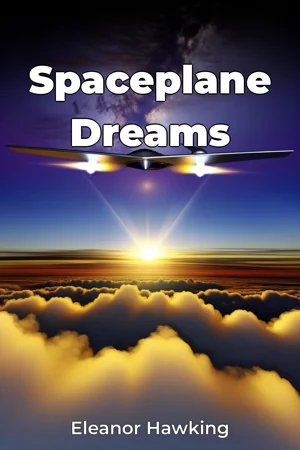
"Spaceplane Dreams" examines the engineering principles and potential applications of vehicles designed to bridge the gap between conventional aircraft and spacecraft, offering a detailed analysis of how these hybrid vehicles could transform our approach to space exploration. The book presents a comprehensive investigation of spaceplane technology, tracing its evolution from early concepts like the X-15 to modern proposals such as the Skylon project. Through rigorous technical analysis, it demonstrates how spaceplanes could reduce launch costs by up to 90% compared to traditional rockets while providing greater mission flexibility and reusability. The narrative is structured around three core themes: propulsion systems, particularly the development of air-breathing rockets and combined-cycle engines; aerodynamic challenges of operating in both atmosphere and space; and the economic implications of routine, aircraft-like access to orbit. Each section integrates current research data, engineering studies, and historical context to build a clear picture of the technical challenges and potential solutions. The book's central argument posits that spaceplanes represent a crucial stepping stone toward sustainable space exploration, supported by detailed analysis of thermal protection systems, propulsion efficiency, and operational costs. The author presents extensive technical data from NASA, ESA, and private aerospace companies, including wind tunnel tests, computational fluid dynamics simulations, and prototype development results. Readers will find in-depth exploration of key technological hurdles, such as the development of materials capable of withstanding extreme temperature variations and the creation of efficient hybrid propulsion systems. The text examines how advances in computational modeling, materials science, and propulsion technology are gradually overcoming these challenges. The work connects aerospace engineering with economics, environmental science, and materials technology, demonstrating how progress in each field contributes to viable spaceplane development. It addresses practical considerations including infrastructure requirements, maintenance protocols, and integration with existing air traffic systems. Written in a technical yet accessible style, the book provides detailed diagrams, mathematical models, and real-world examples while maintaining clarity for readers with a basic understanding of physics and engineering principles. It serves both as a reference for aerospace professionals and an informative resource for educated general readers interested in space technology. The scope encompasses both suborbital and orbital spaceplane designs, examining their distinct requirements and applications. The author analyzes current projects worldwide, including developments in China, Russia, and private sector initiatives, providing a global perspective on spaceplane research and development. The book addresses ongoing debates in the aerospace community regarding the viability of different propulsion approaches and the role of spaceplanes in future space transportation systems. It presents competing viewpoints and evaluates their merits based on technical and economic factors. While maintaining focus on technical accuracy, the text also explores practical applications, from rapid point-to-point transportation on Earth to efficient cargo delivery to space stations. It concludes with an analysis of how spaceplane technology could enable new business models in space tourism, satellite deployment, and scientific research. This comprehensive examination of spaceplane technology combines historical perspective, current research, and future possibilities to present a clear picture of their potential role in advancing space exploration and transportation.
"Spaceplane Dreams" examines the engineering principles and potential applications of vehicles designed to bridge the gap between conventional aircraft and spacecraft, offering a detailed analysis of how these hybrid vehicles could transform our approach to space exploration. The book presents a comprehensive investigation of spaceplane technology, tracing its evolution from early concepts like the X-15 to modern proposals such as the Skylon project. Through rigorous technical analysis, it demonstrates how spaceplanes could reduce launch costs by up to 90% compared to traditional rockets while providing greater mission flexibility and reusability. The narrative is structured around three core themes: propulsion systems, particularly the development of air-breathing rockets and combined-cycle engines; aerodynamic challenges of operating in both atmosphere and space; and the economic implications of routine, aircraft-like access to orbit. Each section integrates current research data, engineering studies, and historical context to build a clear picture of the technical challenges and potential solutions. The book's central argument posits that spaceplanes represent a crucial stepping stone toward sustainable space exploration, supported by detailed analysis of thermal protection systems, propulsion efficiency, and operational costs. The author presents extensive technical data from NASA, ESA, and private aerospace companies, including wind tunnel tests, computational fluid dynamics simulations, and prototype development results. Readers will find in-depth exploration of key technological hurdles, such as the development of materials capable of withstanding extreme temperature variations and the creation of efficient hybrid propulsion systems. The text examines how advances in computational modeling, materials science, and propulsion technology are gradually overcoming these challenges. The work connects aerospace engineering with economics, environmental science, and materials technology, demonstrating how progress in each field contributes to viable spaceplane development. It addresses practical considerations including infrastructure requirements, maintenance protocols, and integration with existing air traffic systems. Written in a technical yet accessible style, the book provides detailed diagrams, mathematical models, and real-world examples while maintaining clarity for readers with a basic understanding of physics and engineering principles. It serves both as a reference for aerospace professionals and an informative resource for educated general readers interested in space technology. The scope encompasses both suborbital and orbital spaceplane designs, examining their distinct requirements and applications. The author analyzes current projects worldwide, including developments in China, Russia, and private sector initiatives, providing a global perspective on spaceplane research and development. The book addresses ongoing debates in the aerospace community regarding the viability of different propulsion approaches and the role of spaceplanes in future space transportation systems. It presents competing viewpoints and evaluates their merits based on technical and economic factors. While maintaining focus on technical accuracy, the text also explores practical applications, from rapid point-to-point transportation on Earth to efficient cargo delivery to space stations. It concludes with an analysis of how spaceplane technology could enable new business models in space tourism, satellite deployment, and scientific research. This comprehensive examination of spaceplane technology combines historical perspective, current research, and future possibilities to present a clear picture of their potential role in advancing space exploration and transportation.
"Spaceplane Dreams" offers a compelling exploration of hybrid vehicles that bridge the gap between traditional aircraft and spacecraft, presenting a comprehensive analysis of how this revolutionary technology could transform space exploration. The book meticulously examines the engineering principles behind spaceplanes, from their potential to reduce launch costs by up to 90% compared to conventional rockets, to the intricate challenges of developing air-breathing rockets and combined-cycle engines that can operate in both atmospheric and space environments. Through a carefully structured approach, the book progresses from fundamental concepts to advanced technical considerations, examining key elements such as thermal protection systems, aerodynamic design, and propulsion efficiency. The author weaves together historical examples like the X-15 with modern initiatives such as the Skylon project, providing readers with both context and cutting-edge developments. The narrative skillfully integrates technical data from major space agencies and private aerospace companies, including wind tunnel tests and computational fluid dynamics simulations. What sets this book apart is its holistic examination of spaceplane technology, connecting aerospace engineering with practical considerations such as economics, infrastructure requirements, and real-world applications. While maintaining technical accuracy, the author presents complex concepts in an accessible manner, making it valuable for both aerospace professionals and educated general readers. The book culminates in an analysis of how spaceplanes could revolutionize various aspects of space utilization, from point-to-point transportation to space tourism and satellite deployment.
Book Details
ISBN
9788233959371
Publisher
Publifye AS
Your Licenses
You don't own any licenses for this book
Purchase a license below to unlock this book and download the EPUB.
Purchase License
Select a tier to unlock this book
Need bulk licensing?
Contact us for enterprise agreements.