
About This Book
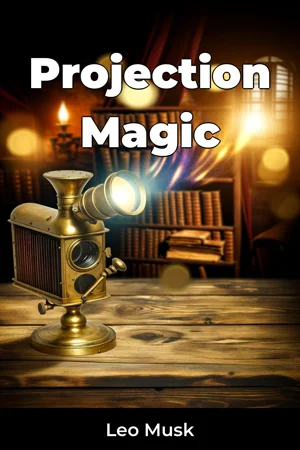
"Projection Magic" illuminates the transformative journey of projection technology, beginning with a simple question: How did we evolve from the flickering shadows of early magic lanterns to today's sophisticated digital projection systems that power everything from home theaters to IMAX experiences? This comprehensive exploration traces the technical evolution and cultural impact of projection technology across three centuries, examining how these devices have shaped entertainment, education, and communication. The book presents a detailed analysis of key technological breakthroughs, from the development of the first film projectors in the late 1800s to the emergence of modern digital light processing (DLP) and laser projection systems. Through meticulous research drawing from patent archives, technical documentation, and interviews with industry pioneers, the book chronicles the parallel development of projection technology and cinema. The first section examines the mechanical era, exploring the intricate mechanisms of film projection and the standardization battles that defined early cinema. The middle chapters focus on the electronic revolution, discussing the emergence of video projectors and their impact on both professional and consumer markets. The final section analyzes the digital transformation, including the development of technologies like LCD, DLP, and laser projection. The book demonstrates how projection technology has consistently pushed the boundaries of physics, optics, and electronics. Readers will understand the scientific principles behind different projection methods, from the fundamental concepts of light manipulation to the complex algorithms driving modern digital systems. Technical concepts are presented clearly, making complex ideas accessible to both technology enthusiasts and general readers interested in the history of innovation. Notable attention is given to the intersection of projection technology with other fields, including computer science, materials engineering, and architectural design. The book explores how advances in each domain have contributed to more capable projection systems, while also examining how projection technology has influenced these fields in return. The narrative maintains a factual, analytical approach while incorporating relevant historical context, such as how wartime innovations in optics contributed to projection advancement, and how the rise of home entertainment shaped projector development. Industry standards, format wars, and market dynamics are examined to provide a complete picture of how projection technology evolved in response to commercial and technical pressures. Practical insights are provided for readers involved in audio-visual industries, education, and entertainment. The book includes detailed discussions of projection system selection, optimization, and maintenance, making it valuable for both professionals and enthusiasts. Case studies of significant installations and implementations provide real-world context for the technical concepts presented. The work addresses ongoing debates in the field, such as the future of projection technology in an LED-screen dominated world and the role of high-frame-rate projection in modern cinematography. These discussions are grounded in current research and industry trends, offering readers insight into potential future developments. "Projection Magic" serves multiple audiences: technology professionals seeking historical context and technical depth, audio-visual enthusiasts interested in understanding the tools of their trade, and students of cinema and technology history. The book's systematic approach to explaining technical concepts, combined with its thorough historical research, creates a valuable resource for understanding how projection technology has shaped and continues to influence visual communication and entertainment.
"Projection Magic" illuminates the transformative journey of projection technology, beginning with a simple question: How did we evolve from the flickering shadows of early magic lanterns to today's sophisticated digital projection systems that power everything from home theaters to IMAX experiences? This comprehensive exploration traces the technical evolution and cultural impact of projection technology across three centuries, examining how these devices have shaped entertainment, education, and communication. The book presents a detailed analysis of key technological breakthroughs, from the development of the first film projectors in the late 1800s to the emergence of modern digital light processing (DLP) and laser projection systems. Through meticulous research drawing from patent archives, technical documentation, and interviews with industry pioneers, the book chronicles the parallel development of projection technology and cinema. The first section examines the mechanical era, exploring the intricate mechanisms of film projection and the standardization battles that defined early cinema. The middle chapters focus on the electronic revolution, discussing the emergence of video projectors and their impact on both professional and consumer markets. The final section analyzes the digital transformation, including the development of technologies like LCD, DLP, and laser projection. The book demonstrates how projection technology has consistently pushed the boundaries of physics, optics, and electronics. Readers will understand the scientific principles behind different projection methods, from the fundamental concepts of light manipulation to the complex algorithms driving modern digital systems. Technical concepts are presented clearly, making complex ideas accessible to both technology enthusiasts and general readers interested in the history of innovation. Notable attention is given to the intersection of projection technology with other fields, including computer science, materials engineering, and architectural design. The book explores how advances in each domain have contributed to more capable projection systems, while also examining how projection technology has influenced these fields in return. The narrative maintains a factual, analytical approach while incorporating relevant historical context, such as how wartime innovations in optics contributed to projection advancement, and how the rise of home entertainment shaped projector development. Industry standards, format wars, and market dynamics are examined to provide a complete picture of how projection technology evolved in response to commercial and technical pressures. Practical insights are provided for readers involved in audio-visual industries, education, and entertainment. The book includes detailed discussions of projection system selection, optimization, and maintenance, making it valuable for both professionals and enthusiasts. Case studies of significant installations and implementations provide real-world context for the technical concepts presented. The work addresses ongoing debates in the field, such as the future of projection technology in an LED-screen dominated world and the role of high-frame-rate projection in modern cinematography. These discussions are grounded in current research and industry trends, offering readers insight into potential future developments. "Projection Magic" serves multiple audiences: technology professionals seeking historical context and technical depth, audio-visual enthusiasts interested in understanding the tools of their trade, and students of cinema and technology history. The book's systematic approach to explaining technical concepts, combined with its thorough historical research, creates a valuable resource for understanding how projection technology has shaped and continues to influence visual communication and entertainment.
"Projection Magic" takes readers on a fascinating journey through the evolution of projection technology, from the humble magic lantern to today's cutting-edge digital systems. This comprehensive exploration reveals how these innovations have fundamentally shaped entertainment, education, and visual communication across three centuries. The book masterfully combines technical insight with historical context, making complex concepts accessible to both technology enthusiasts and general readers. The narrative unfolds chronologically through three major technological eras: the mechanical age of film projectors, the electronic revolution of video systems, and the digital transformation marked by LCD, DLP, and laser technologies. Drawing from patent archives, technical documentation, and pioneer interviews, the book illuminates crucial developments like the standardization of early cinema and the breakthrough of digital light processing. Particularly intriguing is the examination of how wartime optical innovations influenced projection advancement and how the rise of home entertainment drove consumer projector development. The book stands out for its practical approach to technical concepts, offering valuable insights for audio-visual professionals while maintaining accessibility for general readers. Through detailed case studies and real-world examples, readers gain a comprehensive understanding of projection system selection, optimization, and maintenance. The work concludes by addressing contemporary challenges, including the competition between projection technology and LED screens, providing a thoughtful perspective on the future of visual display technology.
Book Details
ISBN
9788233959180
Publisher
Publifye AS
Your Licenses
You don't own any licenses for this book
Purchase a license below to unlock this book and download the EPUB.
Purchase License
Select a tier to unlock this book
Need bulk licensing?
Contact us for enterprise agreements.