
About This Book
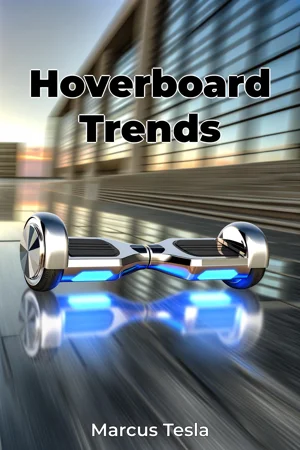
From the first self-balancing prototypes in 2013 to their current status as a legitimate urban mobility solution, hoverboards have transformed personal transportation in ways few predicted. "Hoverboard Trends" examines the technical evolution, social impact, and future potential of these revolutionary devices in urban environments. The book provides a detailed analysis of three critical aspects: the engineering principles behind self-balancing technology, the regulatory challenges facing personal mobility devices, and the integration of hoverboards into existing transportation infrastructure. These interconnected themes reveal how innovative transportation solutions emerge and gain acceptance in modern cities. Beginning with the fundamental physics of gyroscopic stabilization, readers learn how microprocessors, sensors, and electric motors work together to create a seamless riding experience. The text explores the iterative development process, from early prototypes plagued by battery issues to current models incorporating advanced safety features and improved power management systems. The central argument presents hoverboards not merely as recreational devices but as legitimate "last-mile" transportation solutions that bridge gaps in existing urban mobility networks. This perspective is supported by usage data from major cities, traffic flow analyses, and environmental impact studies comparing hoverboards to traditional short-distance transportation methods. Through comprehensive technical diagrams, case studies, and research data, the book examines: - The engineering principles and components of modern hoverboard systems - Safety standards development and regulatory frameworks across different regions - Integration strategies for urban planning and existing transportation networks - Environmental and economic impacts of widespread adoption The research draws from multiple disciplines, connecting mechanical engineering with urban planning, environmental science, and public policy. This interdisciplinary approach provides readers with a complete understanding of how technological innovations influence and are influenced by broader societal factors. The book maintains a technical yet accessible tone, carefully explaining complex concepts without oversimplification. While the primary audience includes engineering professionals, urban planners, and transportation policy makers, the content remains valuable for technically-minded general readers interested in emerging transportation technologies. Each chapter builds upon established engineering principles while introducing new concepts specific to self-balancing vehicles. The text addresses current technical limitations, including battery life constraints and weather sensitivity, while exploring potential solutions through emerging technologies. Practical applications receive significant attention, with detailed sections on: - Optimal usage scenarios and environmental conditions - Maintenance requirements and common technical issues - Integration with public transportation systems - Cost-benefit analyses for individual and institutional adoption The book acknowledges ongoing debates regarding safety regulations, infrastructure requirements, and urban integration challenges. It presents balanced perspectives on these issues, supported by data from pilot programs and early adoption cities. Looking ahead, the final chapters explore potential technological developments, including improved battery technology, advanced materials, and enhanced sensor systems. These discussions are grounded in current research and development trends rather than speculative futures. By focusing on verifiable data and proven engineering principles, "Hoverboard Trends" provides a comprehensive resource for understanding both the current state and future potential of personal mobility technology in urban environments.
From the first self-balancing prototypes in 2013 to their current status as a legitimate urban mobility solution, hoverboards have transformed personal transportation in ways few predicted. "Hoverboard Trends" examines the technical evolution, social impact, and future potential of these revolutionary devices in urban environments. The book provides a detailed analysis of three critical aspects: the engineering principles behind self-balancing technology, the regulatory challenges facing personal mobility devices, and the integration of hoverboards into existing transportation infrastructure. These interconnected themes reveal how innovative transportation solutions emerge and gain acceptance in modern cities. Beginning with the fundamental physics of gyroscopic stabilization, readers learn how microprocessors, sensors, and electric motors work together to create a seamless riding experience. The text explores the iterative development process, from early prototypes plagued by battery issues to current models incorporating advanced safety features and improved power management systems. The central argument presents hoverboards not merely as recreational devices but as legitimate "last-mile" transportation solutions that bridge gaps in existing urban mobility networks. This perspective is supported by usage data from major cities, traffic flow analyses, and environmental impact studies comparing hoverboards to traditional short-distance transportation methods. Through comprehensive technical diagrams, case studies, and research data, the book examines: - The engineering principles and components of modern hoverboard systems - Safety standards development and regulatory frameworks across different regions - Integration strategies for urban planning and existing transportation networks - Environmental and economic impacts of widespread adoption The research draws from multiple disciplines, connecting mechanical engineering with urban planning, environmental science, and public policy. This interdisciplinary approach provides readers with a complete understanding of how technological innovations influence and are influenced by broader societal factors. The book maintains a technical yet accessible tone, carefully explaining complex concepts without oversimplification. While the primary audience includes engineering professionals, urban planners, and transportation policy makers, the content remains valuable for technically-minded general readers interested in emerging transportation technologies. Each chapter builds upon established engineering principles while introducing new concepts specific to self-balancing vehicles. The text addresses current technical limitations, including battery life constraints and weather sensitivity, while exploring potential solutions through emerging technologies. Practical applications receive significant attention, with detailed sections on: - Optimal usage scenarios and environmental conditions - Maintenance requirements and common technical issues - Integration with public transportation systems - Cost-benefit analyses for individual and institutional adoption The book acknowledges ongoing debates regarding safety regulations, infrastructure requirements, and urban integration challenges. It presents balanced perspectives on these issues, supported by data from pilot programs and early adoption cities. Looking ahead, the final chapters explore potential technological developments, including improved battery technology, advanced materials, and enhanced sensor systems. These discussions are grounded in current research and development trends rather than speculative futures. By focusing on verifiable data and proven engineering principles, "Hoverboard Trends" provides a comprehensive resource for understanding both the current state and future potential of personal mobility technology in urban environments.
"Hoverboard Trends" offers a comprehensive exploration of how self-balancing personal transportation devices have evolved from experimental prototypes to viable urban mobility solutions. The book expertly weaves together the technical foundations of hoverboard technology with its broader implications for modern city transportation, examining everything from gyroscopic stabilization principles to the challenges of urban integration. Through a systematic analysis of engineering fundamentals, the text illuminates how microprocessors, sensors, and electric motors work in concert to create stable, user-friendly devices. Particularly fascinating is the book's examination of hoverboards as "last-mile" transportation solutions, supported by real-world usage data and environmental impact studies from major cities. The development journey from early models with battery limitations to current versions featuring advanced safety systems demonstrates the rapid pace of innovation in this field. The book progresses logically from basic engineering principles to practical applications, addressing crucial aspects like safety regulations, maintenance requirements, and integration with existing transportation infrastructure. What sets this work apart is its interdisciplinary approach, connecting mechanical engineering concepts with urban planning considerations and environmental impacts. Whether for engineering professionals or technically-minded enthusiasts, the book presents complex concepts in an accessible format while maintaining scientific rigor and providing evidence-based insights into the future of personal mobility technology.
Book Details
ISBN
9788233959159
Publisher
Publifye AS
Your Licenses
You don't own any licenses for this book
Purchase a license below to unlock this book and download the EPUB.
Purchase License
Select a tier to unlock this book
Need bulk licensing?
Contact us for enterprise agreements.