
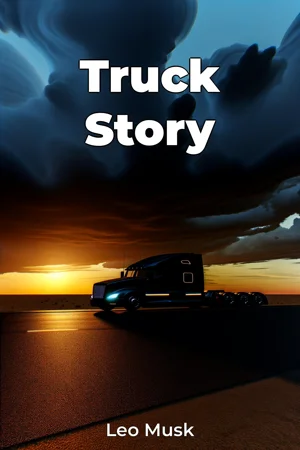
About This Book
From the first commercial trucks that replaced horse-drawn carriages to today's autonomous vehicles, the evolution of trucks has fundamentally shaped how our modern world operates. "Truck Story" presents a comprehensive analysis of how these vehicles have become the backbone of global commerce and industrial development. The book examines three primary aspects: the technological progression of truck design and capabilities, the transformation of logistics networks, and the economic impact of trucking on global trade. Through detailed research spanning over a century of industrial development, it demonstrates how trucks have not only revolutionized transportation but have also influenced urban development, economic policies, and international trade relationships. Beginning with the early 20th century's mechanical innovations, the narrative traces how truck development paralleled crucial moments in industrial history. The book provides detailed insights into how engine technology, cargo capacity, and fuel efficiency improvements have responded to changing economic demands and environmental considerations. It explores the transition from basic delivery vehicles to specialized carriers, including refrigerated trucks, tankers, and modular transportation systems. The central argument posits that trucks have been both catalysts and indicators of economic development, showing how their evolution mirrors the broader patterns of industrial advancement and globalization. This relationship is examined through extensive data from transportation authorities, manufacturing records, and economic analyses spanning multiple continents. The content is structured in three main sections. The first addresses the technical evolution of trucks, including breakthrough innovations in engine design, safety systems, and aerodynamics. The second section analyzes the development of logistics networks, exploring how trucking has influenced warehouse locations, distribution centers, and supply chain management. The final section examines future trends, including electric and autonomous trucks, and their potential impact on the transportation industry. The book incorporates research from mechanical engineering journals, industry reports, and historical records, supplemented by interviews with industry veterans and manufacturing experts. It features case studies of major logistics companies and manufacturing firms, providing practical insights into the role of trucks in various business models. The interdisciplinary approach connects mechanical engineering principles with economic theory and business strategy, demonstrating how technological capabilities influence business decisions and market dynamics. Environmental science perspectives are integrated throughout, addressing the industry's environmental impact and sustainability initiatives. Written in a technical yet accessible style, the book serves both industry professionals and students of engineering and business management. It maintains a balanced approach between technical specifications and practical applications, making complex concepts understandable without oversimplification. The target audience includes logistics professionals, fleet managers, mechanical engineers, and business strategists who need to understand the intersection of transportation technology and commerce. The book is particularly relevant for decision-makers in manufacturing, distribution, and supply chain management. The scope encompasses both historical developments and contemporary challenges, including the transition to alternative fuels, autonomous driving systems, and the integration of artificial intelligence in fleet management. While focused primarily on road transportation, the book acknowledges the intermodal nature of modern logistics and the complementary roles of rail, sea, and air transport. Practical applications include strategic planning frameworks for fleet modernization, guidelines for implementing new technologies, and methods for optimizing route efficiency and fuel consumption. The book addresses ongoing debates about environmental sustainability, labor market changes due to automation, and the role of government regulation in shaping the industry's future.
From the first commercial trucks that replaced horse-drawn carriages to today's autonomous vehicles, the evolution of trucks has fundamentally shaped how our modern world operates. "Truck Story" presents a comprehensive analysis of how these vehicles have become the backbone of global commerce and industrial development. The book examines three primary aspects: the technological progression of truck design and capabilities, the transformation of logistics networks, and the economic impact of trucking on global trade. Through detailed research spanning over a century of industrial development, it demonstrates how trucks have not only revolutionized transportation but have also influenced urban development, economic policies, and international trade relationships. Beginning with the early 20th century's mechanical innovations, the narrative traces how truck development paralleled crucial moments in industrial history. The book provides detailed insights into how engine technology, cargo capacity, and fuel efficiency improvements have responded to changing economic demands and environmental considerations. It explores the transition from basic delivery vehicles to specialized carriers, including refrigerated trucks, tankers, and modular transportation systems. The central argument posits that trucks have been both catalysts and indicators of economic development, showing how their evolution mirrors the broader patterns of industrial advancement and globalization. This relationship is examined through extensive data from transportation authorities, manufacturing records, and economic analyses spanning multiple continents. The content is structured in three main sections. The first addresses the technical evolution of trucks, including breakthrough innovations in engine design, safety systems, and aerodynamics. The second section analyzes the development of logistics networks, exploring how trucking has influenced warehouse locations, distribution centers, and supply chain management. The final section examines future trends, including electric and autonomous trucks, and their potential impact on the transportation industry. The book incorporates research from mechanical engineering journals, industry reports, and historical records, supplemented by interviews with industry veterans and manufacturing experts. It features case studies of major logistics companies and manufacturing firms, providing practical insights into the role of trucks in various business models. The interdisciplinary approach connects mechanical engineering principles with economic theory and business strategy, demonstrating how technological capabilities influence business decisions and market dynamics. Environmental science perspectives are integrated throughout, addressing the industry's environmental impact and sustainability initiatives. Written in a technical yet accessible style, the book serves both industry professionals and students of engineering and business management. It maintains a balanced approach between technical specifications and practical applications, making complex concepts understandable without oversimplification. The target audience includes logistics professionals, fleet managers, mechanical engineers, and business strategists who need to understand the intersection of transportation technology and commerce. The book is particularly relevant for decision-makers in manufacturing, distribution, and supply chain management. The scope encompasses both historical developments and contemporary challenges, including the transition to alternative fuels, autonomous driving systems, and the integration of artificial intelligence in fleet management. While focused primarily on road transportation, the book acknowledges the intermodal nature of modern logistics and the complementary roles of rail, sea, and air transport. Practical applications include strategic planning frameworks for fleet modernization, guidelines for implementing new technologies, and methods for optimizing route efficiency and fuel consumption. The book addresses ongoing debates about environmental sustainability, labor market changes due to automation, and the role of government regulation in shaping the industry's future.
"Truck Story" presents a fascinating journey through the evolution of commercial trucks and their profound impact on global commerce, from the replacement of horse-drawn carriages to today's cutting-edge autonomous vehicles. This comprehensive analysis reveals how trucks have become more than just transportation vehicles – they're the vital arteries of modern industrial development and international trade. The book uniquely weaves together technological advancement, economic implications, and logistical innovation, creating a thorough understanding of how trucking has shaped our world. The narrative progresses through three main sections, beginning with the technical evolution of trucks, including breakthrough developments in engine design, safety systems, and aerodynamics. The second section explores how trucking has revolutionized logistics networks and supply chain management, while the final section examines emerging trends like electric and autonomous vehicles. Through detailed case studies and industry research, the book demonstrates how improvements in cargo capacity, fuel efficiency, and specialized transport solutions have responded to changing economic demands. What sets this book apart is its interdisciplinary approach, combining mechanical engineering principles with business strategy and economic theory. Written for both industry professionals and students, it maintains technical accuracy while remaining accessible to a broad audience. The inclusion of practical applications, such as fleet modernization frameworks and efficiency optimization methods, makes it an invaluable resource for logistics professionals, fleet managers, and business strategists seeking to understand the crucial intersection of transportation technology and commerce.
Book Details
ISBN
9788233959111
Publisher
Publifye AS
Your Licenses
You don't own any licenses for this book
Purchase a license below to unlock this book and download the EPUB.
Purchase License
Select a tier to unlock this book
Need bulk licensing?
Contact us for enterprise agreements.