
About This Book
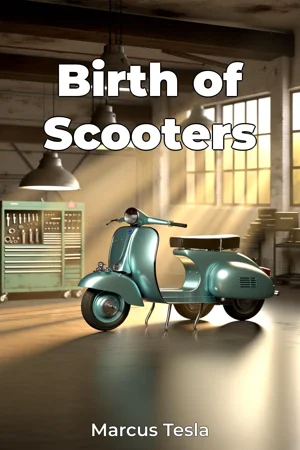
From the first puttering engines of the early 1900s to today's sleek electric models, scooters have revolutionized personal transportation in ways few could have predicted. "Birth of Scooters" traces the technological evolution and social impact of these versatile vehicles, examining how they've shaped urban mobility and influenced modern transportation solutions. The book presents a detailed analysis of three pivotal developments: the initial emergence of motorized scooters in post-World War I Europe, the Italian scooter renaissance of the 1940s, and the contemporary electric scooter revolution. Through extensive research incorporating patent records, manufacturing data, and urban planning studies, readers gain insight into how these vehicles have adapted to changing societal needs. The narrative follows a chronological progression, beginning with the technical foundations of early scooter design. The first section explores the engineering principles behind the initial motorcycles and their transformation into more compact, accessible vehicles. Readers learn about the crucial mechanical innovations, including the step-through frame design and enclosed engine compartment, that defined the modern scooter. Central to the book's argument is how scooters became more than mere vehicles—they emerged as solutions to specific urban challenges. The text examines their role in post-war mobility, particularly in Europe where fuel shortages and economic constraints drove their adoption. This analysis extends to present-day applications, where electric scooters are addressing last-mile transportation issues and environmental concerns. The research draws from multiple disciplines, connecting mechanical engineering with urban planning, environmental science, and social history. Manufacturing processes, materials science, and power system developments are discussed alongside demographic shifts and changing transportation patterns. This interdisciplinary approach provides readers with a comprehensive understanding of how technical innovations intersect with practical urban needs. The book includes detailed technical specifications and engineering drawings, making complex mechanical concepts accessible to both technical and general audiences. Case studies from various cities demonstrate how different cultures and infrastructure systems have influenced scooter adoption and design evolution. Written in a technical yet accessible style, the text balances engineering detail with broader contextual analysis. Professional engineers will find value in the technical specifications and design evolution discussions, while urban planners and policy makers will benefit from the transportation infrastructure implications. The scope encompasses both historical developments and contemporary applications, though it focuses primarily on urban environments where scooters have had the most significant impact. The book addresses ongoing debates about micro-mobility solutions, safety regulations, and the integration of personal transportation devices into existing infrastructure. For readers interested in transportation technology, urban mobility solutions, or mechanical engineering, "Birth of Scooters" provides a thorough examination of how these vehicles have evolved from simple motorized bicycles to sophisticated electric vehicles. The book concludes with an analysis of future trends, including autonomous capabilities, advanced materials, and integration with smart city systems. This comprehensive work serves as both a technical reference and a broader examination of how mechanical innovation can address societal challenges, making it relevant for engineering professionals, urban planners, and anyone interested in the future of urban transportation.
From the first puttering engines of the early 1900s to today's sleek electric models, scooters have revolutionized personal transportation in ways few could have predicted. "Birth of Scooters" traces the technological evolution and social impact of these versatile vehicles, examining how they've shaped urban mobility and influenced modern transportation solutions. The book presents a detailed analysis of three pivotal developments: the initial emergence of motorized scooters in post-World War I Europe, the Italian scooter renaissance of the 1940s, and the contemporary electric scooter revolution. Through extensive research incorporating patent records, manufacturing data, and urban planning studies, readers gain insight into how these vehicles have adapted to changing societal needs. The narrative follows a chronological progression, beginning with the technical foundations of early scooter design. The first section explores the engineering principles behind the initial motorcycles and their transformation into more compact, accessible vehicles. Readers learn about the crucial mechanical innovations, including the step-through frame design and enclosed engine compartment, that defined the modern scooter. Central to the book's argument is how scooters became more than mere vehicles—they emerged as solutions to specific urban challenges. The text examines their role in post-war mobility, particularly in Europe where fuel shortages and economic constraints drove their adoption. This analysis extends to present-day applications, where electric scooters are addressing last-mile transportation issues and environmental concerns. The research draws from multiple disciplines, connecting mechanical engineering with urban planning, environmental science, and social history. Manufacturing processes, materials science, and power system developments are discussed alongside demographic shifts and changing transportation patterns. This interdisciplinary approach provides readers with a comprehensive understanding of how technical innovations intersect with practical urban needs. The book includes detailed technical specifications and engineering drawings, making complex mechanical concepts accessible to both technical and general audiences. Case studies from various cities demonstrate how different cultures and infrastructure systems have influenced scooter adoption and design evolution. Written in a technical yet accessible style, the text balances engineering detail with broader contextual analysis. Professional engineers will find value in the technical specifications and design evolution discussions, while urban planners and policy makers will benefit from the transportation infrastructure implications. The scope encompasses both historical developments and contemporary applications, though it focuses primarily on urban environments where scooters have had the most significant impact. The book addresses ongoing debates about micro-mobility solutions, safety regulations, and the integration of personal transportation devices into existing infrastructure. For readers interested in transportation technology, urban mobility solutions, or mechanical engineering, "Birth of Scooters" provides a thorough examination of how these vehicles have evolved from simple motorized bicycles to sophisticated electric vehicles. The book concludes with an analysis of future trends, including autonomous capabilities, advanced materials, and integration with smart city systems. This comprehensive work serves as both a technical reference and a broader examination of how mechanical innovation can address societal challenges, making it relevant for engineering professionals, urban planners, and anyone interested in the future of urban transportation.
"Birth of Scooters" presents a fascinating journey through the technological evolution of personal transportation, from early 20th-century motorized innovations to today's electric micro-mobility solutions. The book masterfully weaves together mechanical engineering principles with urban development narratives, focusing on three crucial periods: the post-World War I emergence of motorized scooters, the 1940s Italian scooter renaissance, and the current electric scooter revolution. Through detailed technical specifications and real-world case studies, readers discover how engineering breakthroughs like the step-through frame design and enclosed engine compartment transformed urban mobility. The narrative skillfully balances technical depth with accessible explanations, examining how scooters evolved from simple motorized bicycles into sophisticated urban transportation solutions. Drawing from patent records, manufacturing data, and urban planning studies, the book reveals how these vehicles adapted to changing societal needs, particularly during post-war fuel shortages and modern environmental challenges. The interdisciplinary approach connects mechanical engineering concepts with practical applications, making complex technical information digestible for both specialists and general readers interested in transportation technology. This comprehensive work stands out for its thorough examination of how scooters have shaped urban mobility across different cultures and infrastructure systems. The analysis extends beyond pure engineering, incorporating insights from urban planning, environmental science, and social history to demonstrate how mechanical innovations address real-world transportation challenges. The book concludes with an exploration of future trends, including autonomous capabilities and integration with smart city systems, making it an invaluable resource for understanding both the history and future of urban transportation.
Book Details
ISBN
9788233959098
Publisher
Publifye AS
Your Licenses
You don't own any licenses for this book
Purchase a license below to unlock this book and download the EPUB.
Purchase License
Select a tier to unlock this book
Need bulk licensing?
Contact us for enterprise agreements.