
About This Book
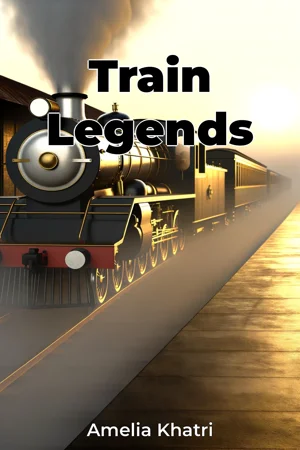
"Train Legends" opens with the transformative moment in 1804 when Richard Trevithick's steam locomotive first moved along iron rails, marking the beginning of a technological revolution that would reshape human civilization. This comprehensive examination of railway evolution traces the development of train technology across three distinct eras: the age of steam (1804-1950), the diesel-electric transition (1950-1980), and the modern high-speed rail revolution (1980-present). The book presents a detailed analysis of how each technological leap responded to the economic and social demands of its time, while simultaneously driving progress in metallurgy, engineering, and infrastructure development. The narrative explores the intricate relationship between mechanical innovation and societal advancement. Readers follow the progression from early steam engines, with their basic principles of thermodynamics and mechanical power, through to the sophisticated computer-controlled systems of modern magnetic levitation trains. The book explains how each development built upon previous innovations, creating a continuous chain of technological evolution. Central to the work is the argument that railway development has consistently served as both a catalyst and indicator of industrial and economic progress. This thesis is supported by extensive research drawing from engineering archives, patent records, and historical documents from major railway companies across Europe, America, and Asia. The content is structured chronologically, with each section examining key technological breakthroughs and their wider implications. The first part focuses on steam power's dominance, explaining the fundamental mechanics that powered the Industrial Revolution. The middle section covers the transition to diesel and electric systems, detailing how these technologies increased efficiency and reliability. The final portion examines contemporary high-speed rail networks and emerging technologies, including magnetic levitation and smart rail systems. The book incorporates technical diagrams, engineering specifications, and historical photographs to illustrate key concepts. It connects mechanical engineering principles with broader themes in economic history, urban development, and environmental impact. The research draws from railway engineering manuals, historical records, and contemporary technical specifications from major train manufacturers. Written in a technical yet accessible style, the text balances detailed engineering explanations with historical context and practical applications. While primarily targeted at engineering students and railway professionals, the book remains accessible to technology enthusiasts and history buffs interested in industrial development. The work addresses several ongoing debates in the field, including the future role of railways in sustainable transportation and the economic viability of high-speed rail systems in different geographical contexts. It examines competing technological approaches to modern rail development, particularly in the context of emerging markets and environmental considerations. The scope encompasses both the technical evolution of locomotives and their supporting infrastructure, including track design, signaling systems, and station architecture. The book concludes with an analysis of current trends and future possibilities in rail technology, including autonomous systems and integration with other transportation networks. Practical applications of this knowledge extend to urban planning, transportation engineering, and infrastructure development. The work provides valuable insights for professionals involved in railway modernization projects and students studying transportation systems or mechanical engineering.
"Train Legends" opens with the transformative moment in 1804 when Richard Trevithick's steam locomotive first moved along iron rails, marking the beginning of a technological revolution that would reshape human civilization. This comprehensive examination of railway evolution traces the development of train technology across three distinct eras: the age of steam (1804-1950), the diesel-electric transition (1950-1980), and the modern high-speed rail revolution (1980-present). The book presents a detailed analysis of how each technological leap responded to the economic and social demands of its time, while simultaneously driving progress in metallurgy, engineering, and infrastructure development. The narrative explores the intricate relationship between mechanical innovation and societal advancement. Readers follow the progression from early steam engines, with their basic principles of thermodynamics and mechanical power, through to the sophisticated computer-controlled systems of modern magnetic levitation trains. The book explains how each development built upon previous innovations, creating a continuous chain of technological evolution. Central to the work is the argument that railway development has consistently served as both a catalyst and indicator of industrial and economic progress. This thesis is supported by extensive research drawing from engineering archives, patent records, and historical documents from major railway companies across Europe, America, and Asia. The content is structured chronologically, with each section examining key technological breakthroughs and their wider implications. The first part focuses on steam power's dominance, explaining the fundamental mechanics that powered the Industrial Revolution. The middle section covers the transition to diesel and electric systems, detailing how these technologies increased efficiency and reliability. The final portion examines contemporary high-speed rail networks and emerging technologies, including magnetic levitation and smart rail systems. The book incorporates technical diagrams, engineering specifications, and historical photographs to illustrate key concepts. It connects mechanical engineering principles with broader themes in economic history, urban development, and environmental impact. The research draws from railway engineering manuals, historical records, and contemporary technical specifications from major train manufacturers. Written in a technical yet accessible style, the text balances detailed engineering explanations with historical context and practical applications. While primarily targeted at engineering students and railway professionals, the book remains accessible to technology enthusiasts and history buffs interested in industrial development. The work addresses several ongoing debates in the field, including the future role of railways in sustainable transportation and the economic viability of high-speed rail systems in different geographical contexts. It examines competing technological approaches to modern rail development, particularly in the context of emerging markets and environmental considerations. The scope encompasses both the technical evolution of locomotives and their supporting infrastructure, including track design, signaling systems, and station architecture. The book concludes with an analysis of current trends and future possibilities in rail technology, including autonomous systems and integration with other transportation networks. Practical applications of this knowledge extend to urban planning, transportation engineering, and infrastructure development. The work provides valuable insights for professionals involved in railway modernization projects and students studying transportation systems or mechanical engineering.
"Train Legends" presents a fascinating journey through the evolution of railway technology, from Richard Trevithick's groundbreaking steam locomotive in 1804 to today's cutting-edge magnetic levitation trains. This comprehensive exploration divides railway history into three distinct eras: the steam age (1804-1950), the diesel-electric transition (1950-1980), and the modern high-speed rail revolution (1980-present), examining how each period's innovations responded to and shaped society's needs. The book uniquely demonstrates how railway development has served as both a driver and indicator of industrial progress, supported by extensive research from engineering archives and historical documents across three continents. Through detailed technical explanations and historical context, readers discover how fundamental principles of thermodynamics in early steam engines evolved into the sophisticated computer-controlled systems of today's high-speed trains. The narrative expertly weaves together mechanical engineering concepts with broader themes of economic development and urban growth. Progressing chronologically, the work combines technical diagrams, engineering specifications, and historical photographs to illustrate key developments in railway technology. While maintaining technical accuracy essential for engineering students and railway professionals, the book remains accessible to general readers interested in industrial history. The examination of current trends, including autonomous systems and sustainable transportation solutions, makes this work particularly relevant for understanding both the historical significance and future potential of rail technology.
Book Details
ISBN
9788233959050
Publisher
Publifye AS
Your Licenses
You don't own any licenses for this book
Purchase a license below to unlock this book and download the EPUB.
Purchase License
Select a tier to unlock this book
Need bulk licensing?
Contact us for enterprise agreements.