
About This Book
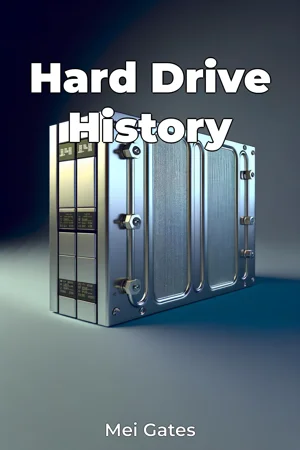
"Hard Drive History" opens with a pivotal moment in 1956 when IBM introduced the first commercial hard drive, the IBM 350, which despite weighing over a ton, stored merely 3.75 megabytes of data. This landmark invention marks the beginning of a technological revolution that would transform computing forever. The book traces the development of data storage technologies through three main phases: the magnetic era, the optical revolution, and the solid-state transformation. Each phase represents not just technical advancement, but fundamental shifts in how we interact with and preserve digital information. Through detailed analysis and historical documentation, the text demonstrates how storage technology has been a crucial driver of computing progress, enabling everything from personal computers to cloud computing. Drawing from extensive research, including original patents, technical documentation, and interviews with pioneering engineers, the book provides an in-depth examination of key innovations. The narrative explores the scientific principles behind magnetic storage, explaining how engineers overcame the physical limitations of mechanical systems to achieve increasingly higher storage densities. The transition to optical storage, marked by the introduction of CD-ROMs and later DVDs, represents another critical chapter, showcasing how light-based technology opened new possibilities for data preservation. The development of solid-state drives (SSDs) receives particular attention, as it represents the most significant paradigm shift in storage technology since the invention of the hard drive. The book details the technical challenges overcome in making flash memory viable for mass storage, including issues of reliability, cost, and performance optimization. Interwoven throughout are profiles of key inventors and engineers who contributed to these developments, providing context for how individual innovations fit into the larger technological landscape. The text connects storage technology advancement to broader trends in computing, demonstrating how increased storage capacity and speed enabled the development of more sophisticated operating systems, applications, and eventually, the internet itself. The book maintains a technical yet accessible tone, explaining complex concepts through clear analogies and practical examples. It includes detailed diagrams and specifications that illustrate the evolution of storage devices, while maintaining readability for both technical professionals and interested general readers. For IT professionals, engineers, and technology enthusiasts, the book offers valuable insights into the engineering challenges and solutions that shaped modern computing. Students of computer science and electronics engineering will find comprehensive technical details about storage principles and implementations. Business readers will gain understanding of how storage technology advances have enabled new business models and transformed industries. The text addresses current debates in the field, including the future of magnetic storage versus solid-state technology, the role of emerging technologies like DNA storage, and the environmental impact of different storage solutions. It concludes with an analysis of future trends, examining promising technologies like quantum storage and molecular memory systems. Throughout its chapters, the book demonstrates how storage technology sits at the intersection of multiple disciplines, including physics, materials science, and computer engineering. This interdisciplinary approach helps readers understand how advances in one field often enable breakthroughs in others, providing a comprehensive view of technological progress. The work is particularly relevant as organizations and individuals grapple with exponentially growing data storage needs, offering historical context for current challenges and potential solutions for the future.
"Hard Drive History" opens with a pivotal moment in 1956 when IBM introduced the first commercial hard drive, the IBM 350, which despite weighing over a ton, stored merely 3.75 megabytes of data. This landmark invention marks the beginning of a technological revolution that would transform computing forever. The book traces the development of data storage technologies through three main phases: the magnetic era, the optical revolution, and the solid-state transformation. Each phase represents not just technical advancement, but fundamental shifts in how we interact with and preserve digital information. Through detailed analysis and historical documentation, the text demonstrates how storage technology has been a crucial driver of computing progress, enabling everything from personal computers to cloud computing. Drawing from extensive research, including original patents, technical documentation, and interviews with pioneering engineers, the book provides an in-depth examination of key innovations. The narrative explores the scientific principles behind magnetic storage, explaining how engineers overcame the physical limitations of mechanical systems to achieve increasingly higher storage densities. The transition to optical storage, marked by the introduction of CD-ROMs and later DVDs, represents another critical chapter, showcasing how light-based technology opened new possibilities for data preservation. The development of solid-state drives (SSDs) receives particular attention, as it represents the most significant paradigm shift in storage technology since the invention of the hard drive. The book details the technical challenges overcome in making flash memory viable for mass storage, including issues of reliability, cost, and performance optimization. Interwoven throughout are profiles of key inventors and engineers who contributed to these developments, providing context for how individual innovations fit into the larger technological landscape. The text connects storage technology advancement to broader trends in computing, demonstrating how increased storage capacity and speed enabled the development of more sophisticated operating systems, applications, and eventually, the internet itself. The book maintains a technical yet accessible tone, explaining complex concepts through clear analogies and practical examples. It includes detailed diagrams and specifications that illustrate the evolution of storage devices, while maintaining readability for both technical professionals and interested general readers. For IT professionals, engineers, and technology enthusiasts, the book offers valuable insights into the engineering challenges and solutions that shaped modern computing. Students of computer science and electronics engineering will find comprehensive technical details about storage principles and implementations. Business readers will gain understanding of how storage technology advances have enabled new business models and transformed industries. The text addresses current debates in the field, including the future of magnetic storage versus solid-state technology, the role of emerging technologies like DNA storage, and the environmental impact of different storage solutions. It concludes with an analysis of future trends, examining promising technologies like quantum storage and molecular memory systems. Throughout its chapters, the book demonstrates how storage technology sits at the intersection of multiple disciplines, including physics, materials science, and computer engineering. This interdisciplinary approach helps readers understand how advances in one field often enable breakthroughs in others, providing a comprehensive view of technological progress. The work is particularly relevant as organizations and individuals grapple with exponentially growing data storage needs, offering historical context for current challenges and potential solutions for the future.
"Hard Drive History" chronicles the remarkable evolution of data storage technology, beginning with IBM's groundbreaking 350 hard drive in 1956—a behemoth machine that stored just 3.75 megabytes despite weighing over a ton. This comprehensive exploration traces three transformative eras in storage technology: the magnetic era, optical revolution, and solid-state transformation, revealing how each phase fundamentally changed our relationship with digital information. Through meticulous research, including original patents and interviews with pioneering engineers, the book illuminates the scientific principles behind magnetic storage and explains how researchers continuously pushed the boundaries of storage density. The narrative expertly weaves technical details with accessible explanations, using clear analogies to demystify complex concepts. Particularly fascinating is the coverage of solid-state drives (SSDs), which represents the most significant shift in storage technology since the original hard drive's invention. The book's interdisciplinary approach combines physics, materials science, and computer engineering to demonstrate how storage technology has enabled broader computing innovations, from personal computers to cloud computing. For both technical professionals and general readers interested in technology's evolution, the text provides valuable insights into how storage advances have shaped our digital world while examining emerging technologies like DNA storage and quantum memory systems. This historical perspective offers crucial context for understanding current data storage challenges and future solutions.
Book Details
ISBN
9788233959012
Publisher
Publifye AS
Your Licenses
You don't own any licenses for this book
Purchase a license below to unlock this book and download the EPUB.
Purchase License
Select a tier to unlock this book
Need bulk licensing?
Contact us for enterprise agreements.