
About This Book
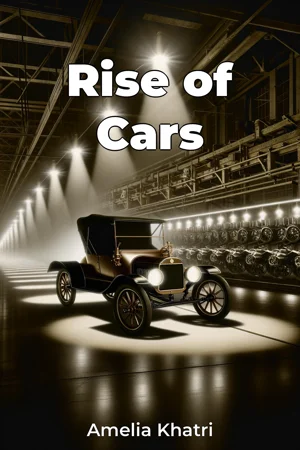
"Rise of Cars" traces the technological evolution of automotive transportation, beginning with Nicolas-Joseph Cugnot's steam-powered vehicle in 1769 and culminating in today's cutting-edge electric vehicles. This comprehensive exploration reveals how automobiles have shaped modern society, economics, and environmental perspectives over two and a half centuries. The book examines three pivotal phases in automotive development: the steam era (1769-1890), the internal combustion revolution (1890-1970), and the electric transformation (1970-present). Through detailed technical analyses and historical records, readers discover how each phase responded to contemporary challenges and influenced future innovations. The narrative demonstrates how automotive advancement has consistently reflected broader societal needs, from basic transportation to environmental consciousness. Structured chronologically, the book first delves into early steam-powered experiments, documenting both successes and failures that laid the groundwork for future developments. The middle sections explore the dominance of internal combustion engines, examining how mass production techniques, particularly Henry Ford's assembly line, transformed cars from luxury items into everyday necessities. The final chapters address the modern shift toward electric vehicles, analyzing technological breakthroughs in battery technology and changing consumer preferences. The text incorporates extensive research from automotive archives, engineering documents, and industry records. It features technical diagrams, patent applications, and first-hand accounts from pioneering automotive engineers. This evidence-based approach provides readers with a solid understanding of both the mechanical evolution and the human ingenuity behind each advancement. The book connects automotive development to multiple disciplines, including engineering, economics, and environmental science. It explores how automotive innovation has influenced urban planning, showing how cities evolved to accommodate vehicles. The environmental impact of different automotive technologies receives careful attention, with data-driven comparisons of various propulsion systems' effects on air quality and resource consumption. Written in an accessible technical style, the book balances detailed mechanical explanations with broader historical context. This approach makes complex engineering concepts understandable while maintaining scientific accuracy. The content serves both automotive enthusiasts and readers interested in technological history, making it suitable for engineers, historians, and general readers with an interest in technological development. Each chapter includes case studies of specific vehicles that represented significant technological leaps, analyzing their design features and market impact. The book addresses ongoing debates about the future of transportation, examining competing technologies and their potential roles in sustainable mobility. The work's scope encompasses both mainstream automotive development and alternative approaches that, while unsuccessful in their time, contributed valuable insights to the field. It concludes with an analysis of current trends and their implications for future mobility solutions, including autonomous vehicles and alternative energy sources. Understanding this technological journey helps readers grasp current automotive challenges and potential solutions. The book provides context for contemporary debates about electric vehicles, autonomous driving, and sustainable transportation, enabling readers to participate more knowledgeably in discussions about the future of mobility.
"Rise of Cars" traces the technological evolution of automotive transportation, beginning with Nicolas-Joseph Cugnot's steam-powered vehicle in 1769 and culminating in today's cutting-edge electric vehicles. This comprehensive exploration reveals how automobiles have shaped modern society, economics, and environmental perspectives over two and a half centuries. The book examines three pivotal phases in automotive development: the steam era (1769-1890), the internal combustion revolution (1890-1970), and the electric transformation (1970-present). Through detailed technical analyses and historical records, readers discover how each phase responded to contemporary challenges and influenced future innovations. The narrative demonstrates how automotive advancement has consistently reflected broader societal needs, from basic transportation to environmental consciousness. Structured chronologically, the book first delves into early steam-powered experiments, documenting both successes and failures that laid the groundwork for future developments. The middle sections explore the dominance of internal combustion engines, examining how mass production techniques, particularly Henry Ford's assembly line, transformed cars from luxury items into everyday necessities. The final chapters address the modern shift toward electric vehicles, analyzing technological breakthroughs in battery technology and changing consumer preferences. The text incorporates extensive research from automotive archives, engineering documents, and industry records. It features technical diagrams, patent applications, and first-hand accounts from pioneering automotive engineers. This evidence-based approach provides readers with a solid understanding of both the mechanical evolution and the human ingenuity behind each advancement. The book connects automotive development to multiple disciplines, including engineering, economics, and environmental science. It explores how automotive innovation has influenced urban planning, showing how cities evolved to accommodate vehicles. The environmental impact of different automotive technologies receives careful attention, with data-driven comparisons of various propulsion systems' effects on air quality and resource consumption. Written in an accessible technical style, the book balances detailed mechanical explanations with broader historical context. This approach makes complex engineering concepts understandable while maintaining scientific accuracy. The content serves both automotive enthusiasts and readers interested in technological history, making it suitable for engineers, historians, and general readers with an interest in technological development. Each chapter includes case studies of specific vehicles that represented significant technological leaps, analyzing their design features and market impact. The book addresses ongoing debates about the future of transportation, examining competing technologies and their potential roles in sustainable mobility. The work's scope encompasses both mainstream automotive development and alternative approaches that, while unsuccessful in their time, contributed valuable insights to the field. It concludes with an analysis of current trends and their implications for future mobility solutions, including autonomous vehicles and alternative energy sources. Understanding this technological journey helps readers grasp current automotive challenges and potential solutions. The book provides context for contemporary debates about electric vehicles, autonomous driving, and sustainable transportation, enabling readers to participate more knowledgeably in discussions about the future of mobility.
"Rise of Cars" presents a fascinating journey through the revolutionary development of automotive technology, spanning from the earliest steam-powered vehicles of 1769 to today's cutting-edge electric cars. This comprehensive exploration divides automotive history into three transformative eras: the steam age, the internal combustion revolution, and the modern electric transformation, showing how each phase responded to society's evolving needs and technological capabilities. The book skillfully weaves together technical innovation and social impact, highlighting pivotal moments like Nicolas-Joseph Cugnot's groundbreaking steam vehicle and Henry Ford's revolutionary assembly line techniques that democratized car ownership. Through detailed technical analyses and historical records, readers gain insight into how automotive advancement has consistently mirrored broader societal changes, from basic transportation needs to current environmental concerns. The narrative is enriched with technical diagrams, patent applications, and firsthand accounts from pioneering engineers, providing an evidence-based perspective on automotive evolution. Written in an accessible technical style, the work bridges multiple disciplines, connecting engineering achievements with economic and environmental implications. Each chapter features case studies of significant vehicles that marked technological milestones, while exploring how automotive development has shaped urban planning and environmental consciousness. The book concludes with a thoughtful analysis of current trends and future mobility solutions, making it valuable for both automotive enthusiasts and readers interested in the broader impact of technological innovation.
Book Details
ISBN
9788233959005
Publisher
Publifye AS
Your Licenses
You don't own any licenses for this book
Purchase a license below to unlock this book and download the EPUB.
Purchase License
Select a tier to unlock this book
Need bulk licensing?
Contact us for enterprise agreements.