
About This Book
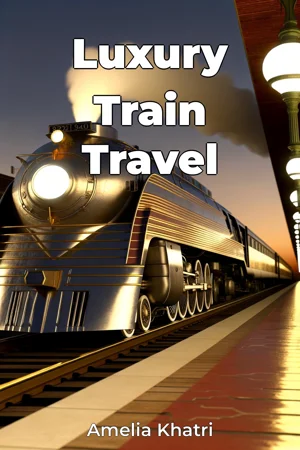
In 1883, when the Orient Express completed its maiden journey from Paris to Istanbul, it marked the beginning of a transformative era in travel history. "Luxury Train Travel" chronicles the remarkable evolution of rail luxury, from the golden age of train travel to its modern renaissance, examining how these magnificent vehicles shaped both transportation and social history. The book delves into three principal themes: the technological innovations that made luxury rail travel possible, the social and cultural impact of first-class rail services, and the preservation and revival of historic train routes. Through detailed research and first-hand accounts, readers discover how luxury trains became more than mere transportation—they were moving hotels that redefined the boundaries between journey and destination. Drawing from railway archives, passenger diaries, and engineering documents, the narrative traces the development of iconic services like the Trans-Siberian Express, the British Pullman, and the Blue Train. Each chapter examines how these services influenced global travel patterns and established new standards for comfort and elegance in transportation. The book presents a comprehensive analysis of luxury train design, from the practical considerations of engineering to the artistic elements of interior decoration. Readers learn about the innovative suspension systems that enabled smooth dining at speed, the development of specialized kitchen cars, and the evolution of sleeping compartments that rivaled grand hotels. The social history component explores how luxury trains became venues for diplomacy, romance, and business dealings. Through examination of guest lists, menu cards, and staff records, the book reveals how these trains served as mobile social clubs for the elite while simultaneously democratizing luxury travel for an emerging middle class. Contemporary perspectives are addressed through profiles of modern luxury rail services, analyzing how historic traditions are being preserved while adapting to current expectations. The book includes detailed case studies of successful heritage railways and new luxury services, offering insights into the business of premium rail travel. The research methodology combines traditional historical sources with interviews featuring current luxury train operators, designers, and passengers. This multi-faceted approach provides both historical depth and contemporary relevance, supported by technical drawings, photographs, and original route maps. Written in an accessible narrative style, the book maintains academic rigor while engaging general readers interested in travel, history, and design. The text balances technical details with human interest stories, making complex engineering concepts understandable while preserving the glamour and romance of classic rail travel. The work connects to multiple disciplines, including industrial design, hospitality management, and social history. These intersections provide context for understanding how luxury train travel influenced, and was influenced by, broader societal changes throughout the 19th and 20th centuries. Particularly valuable for tourism professionals, transport historians, and travel enthusiasts, the book offers practical insights into the operation of luxury rail services and the preservation of historic rolling stock. It addresses current debates about sustainable tourism and the future of premium travel experiences, examining how traditional luxury rail concepts are being adapted for modern environmental and economic realities. The scope encompasses the period from 1850 to the present, focusing on major railway systems in Europe, Asia, and Africa. While primarily examining long-distance luxury services, the book also considers significant regional routes that exemplified rail luxury in their respective eras.
In 1883, when the Orient Express completed its maiden journey from Paris to Istanbul, it marked the beginning of a transformative era in travel history. "Luxury Train Travel" chronicles the remarkable evolution of rail luxury, from the golden age of train travel to its modern renaissance, examining how these magnificent vehicles shaped both transportation and social history. The book delves into three principal themes: the technological innovations that made luxury rail travel possible, the social and cultural impact of first-class rail services, and the preservation and revival of historic train routes. Through detailed research and first-hand accounts, readers discover how luxury trains became more than mere transportation—they were moving hotels that redefined the boundaries between journey and destination. Drawing from railway archives, passenger diaries, and engineering documents, the narrative traces the development of iconic services like the Trans-Siberian Express, the British Pullman, and the Blue Train. Each chapter examines how these services influenced global travel patterns and established new standards for comfort and elegance in transportation. The book presents a comprehensive analysis of luxury train design, from the practical considerations of engineering to the artistic elements of interior decoration. Readers learn about the innovative suspension systems that enabled smooth dining at speed, the development of specialized kitchen cars, and the evolution of sleeping compartments that rivaled grand hotels. The social history component explores how luxury trains became venues for diplomacy, romance, and business dealings. Through examination of guest lists, menu cards, and staff records, the book reveals how these trains served as mobile social clubs for the elite while simultaneously democratizing luxury travel for an emerging middle class. Contemporary perspectives are addressed through profiles of modern luxury rail services, analyzing how historic traditions are being preserved while adapting to current expectations. The book includes detailed case studies of successful heritage railways and new luxury services, offering insights into the business of premium rail travel. The research methodology combines traditional historical sources with interviews featuring current luxury train operators, designers, and passengers. This multi-faceted approach provides both historical depth and contemporary relevance, supported by technical drawings, photographs, and original route maps. Written in an accessible narrative style, the book maintains academic rigor while engaging general readers interested in travel, history, and design. The text balances technical details with human interest stories, making complex engineering concepts understandable while preserving the glamour and romance of classic rail travel. The work connects to multiple disciplines, including industrial design, hospitality management, and social history. These intersections provide context for understanding how luxury train travel influenced, and was influenced by, broader societal changes throughout the 19th and 20th centuries. Particularly valuable for tourism professionals, transport historians, and travel enthusiasts, the book offers practical insights into the operation of luxury rail services and the preservation of historic rolling stock. It addresses current debates about sustainable tourism and the future of premium travel experiences, examining how traditional luxury rail concepts are being adapted for modern environmental and economic realities. The scope encompasses the period from 1850 to the present, focusing on major railway systems in Europe, Asia, and Africa. While primarily examining long-distance luxury services, the book also considers significant regional routes that exemplified rail luxury in their respective eras.
"Luxury Train Travel" explores the fascinating evolution of high-end rail journeys from their 19th-century origins to the present day, beginning with the groundbreaking 1883 Orient Express route from Paris to Istanbul. The book skillfully weaves together the technological, social, and cultural aspects of luxury rail travel, examining how these magnificent vehicles transformed from mere transportation into moving hotels that revolutionized the travel experience. Through meticulous research drawing from railway archives, passenger diaries, and engineering documents, readers discover the innovative developments that made luxury rail travel possible, from sophisticated suspension systems that enabled fine dining at speed to the evolution of sleeping compartments rivaling grand hotels. The narrative showcases legendary services like the Trans-Siberian Express, the British Pullman, and the Blue Train, revealing how these trains became exclusive venues for diplomacy, romance, and business while simultaneously making luxury travel more accessible to the emerging middle class. The book progresses chronologically, examining historical achievements before moving into contemporary perspectives on modern luxury rail services. By combining technical insights with human interest stories, it offers readers a comprehensive understanding of how these magnificent trains influenced global travel patterns and continue to shape premium travel experiences today. The exploration of sustainable tourism and the adaptation of traditional luxury concepts for modern environmental realities makes this work particularly relevant for both history enthusiasts and modern travelers.
Book Details
ISBN
9788233958978
Publisher
Publifye AS
Your Licenses
You don't own any licenses for this book
Purchase a license below to unlock this book and download the EPUB.
Purchase License
Select a tier to unlock this book
Need bulk licensing?
Contact us for enterprise agreements.