
About This Book
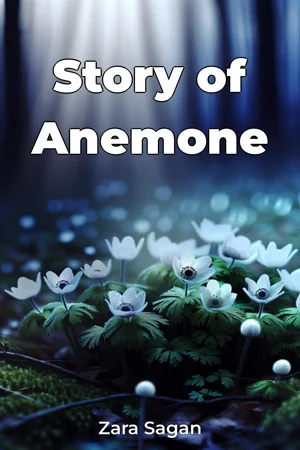
From ancient Greek mythology to modern botanical gardens, anemones have captivated artists, writers, and naturalists throughout history. "Story of Anemone" explores these delicate flowers' dual existence as both cultural symbols and botanical marvels, weaving together art history, mythology, and natural science. The book traces the anemone's journey through three major cultural landscapes: Classical mythology, where the flower emerges from Aphrodite's tears for Adonis; Renaissance art, where it appears in vanitas paintings as symbols of fleeting life; and Victorian flower language, where it represented forsaken love. This cultural exploration is balanced with detailed botanical analysis, examining how anemones adapted across different continents and climates. Through extensive research drawing from art archives, botanical manuscripts, and archaeological records, the book presents evidence of anemones' significance in human culture dating back to ancient civilizations. Notable attention is given to the flower's presence in Greek pottery, medieval illuminated manuscripts, and Japanese woodblock prints, demonstrating its cross-cultural impact. The work is structured in three main sections. The first examines the botanical characteristics and global distribution of anemone species, including their evolutionary adaptations and ecological roles. The second section delves into mythological narratives and literary references, analyzing how different cultures interpreted these flowers. The final section focuses on artistic representations, from classical paintings to contemporary photography. Interdisciplinary connections link botanical science with art history and cultural anthropology. The book demonstrates how anemones influenced color theory in painting, with their distinctive pigmentation patterns inspiring artists from the Dutch Golden Age to the Impressionist movement. Scientific analysis of these pigments reveals why artists found them so compelling and challenging to capture. The research incorporates findings from botanical archives, art restoration projects, and archaeological sites. Primary sources include previously untranslated botanical texts from the 16th century and private collection art portfolios, offering fresh perspectives on well-known works featuring anemones. Written in an accessible scholarly style, the book balances academic rigor with engaging narratives. It serves both as a reference for art historians and botanists while remaining approachable for gardening enthusiasts and cultural history readers. Technical terms are carefully explained within their historical and scientific contexts. Each chapter includes detailed photographs of both wild and cultivated anemone species, alongside high-resolution images of artistic works discussed in the text. These visual references help readers understand the subtle variations in how different artists and cultures interpreted the flower's form and significance. The book addresses ongoing debates in botanical art history, particularly regarding the accurate identification of flowers in classical paintings and the symbolic intentions of various artists. It presents multiple interpretations while providing evidence for the most probable conclusions. Current applications of this research extend to conservation efforts, as understanding the historical significance of anemones helps justify their preservation in wild habitats. The book also offers insights for contemporary artists and gardeners interested in working with these flowers, including detailed information about their cultivation and artistic representation. While focused primarily on Western and Asian artistic traditions, the book acknowledges its geographical limitations and points to opportunities for further research in other cultural contexts. It provides a foundation for understanding how a single flower species can embody multiple meanings across different societies and time periods.
From ancient Greek mythology to modern botanical gardens, anemones have captivated artists, writers, and naturalists throughout history. "Story of Anemone" explores these delicate flowers' dual existence as both cultural symbols and botanical marvels, weaving together art history, mythology, and natural science. The book traces the anemone's journey through three major cultural landscapes: Classical mythology, where the flower emerges from Aphrodite's tears for Adonis; Renaissance art, where it appears in vanitas paintings as symbols of fleeting life; and Victorian flower language, where it represented forsaken love. This cultural exploration is balanced with detailed botanical analysis, examining how anemones adapted across different continents and climates. Through extensive research drawing from art archives, botanical manuscripts, and archaeological records, the book presents evidence of anemones' significance in human culture dating back to ancient civilizations. Notable attention is given to the flower's presence in Greek pottery, medieval illuminated manuscripts, and Japanese woodblock prints, demonstrating its cross-cultural impact. The work is structured in three main sections. The first examines the botanical characteristics and global distribution of anemone species, including their evolutionary adaptations and ecological roles. The second section delves into mythological narratives and literary references, analyzing how different cultures interpreted these flowers. The final section focuses on artistic representations, from classical paintings to contemporary photography. Interdisciplinary connections link botanical science with art history and cultural anthropology. The book demonstrates how anemones influenced color theory in painting, with their distinctive pigmentation patterns inspiring artists from the Dutch Golden Age to the Impressionist movement. Scientific analysis of these pigments reveals why artists found them so compelling and challenging to capture. The research incorporates findings from botanical archives, art restoration projects, and archaeological sites. Primary sources include previously untranslated botanical texts from the 16th century and private collection art portfolios, offering fresh perspectives on well-known works featuring anemones. Written in an accessible scholarly style, the book balances academic rigor with engaging narratives. It serves both as a reference for art historians and botanists while remaining approachable for gardening enthusiasts and cultural history readers. Technical terms are carefully explained within their historical and scientific contexts. Each chapter includes detailed photographs of both wild and cultivated anemone species, alongside high-resolution images of artistic works discussed in the text. These visual references help readers understand the subtle variations in how different artists and cultures interpreted the flower's form and significance. The book addresses ongoing debates in botanical art history, particularly regarding the accurate identification of flowers in classical paintings and the symbolic intentions of various artists. It presents multiple interpretations while providing evidence for the most probable conclusions. Current applications of this research extend to conservation efforts, as understanding the historical significance of anemones helps justify their preservation in wild habitats. The book also offers insights for contemporary artists and gardeners interested in working with these flowers, including detailed information about their cultivation and artistic representation. While focused primarily on Western and Asian artistic traditions, the book acknowledges its geographical limitations and points to opportunities for further research in other cultural contexts. It provides a foundation for understanding how a single flower species can embody multiple meanings across different societies and time periods.
"Story of Anemone" masterfully weaves together the botanical and cultural legacy of one of nature's most enchanting flowers, exploring how these delicate blooms have influenced art, mythology, and science across civilizations. From their legendary origins in Greek mythology, where they sprouted from Aphrodite's tears, to their symbolic presence in Renaissance vanitas paintings, anemones have maintained a remarkable presence in human culture and artistic expression. The book's unique approach combines rigorous botanical analysis with rich cultural history, examining how these flowers adapted across different continents while simultaneously shaping artistic movements and cultural symbolism. Readers discover fascinating insights about anemones' distinctive pigmentation patterns, which challenged and inspired artists from the Dutch Golden Age to the Impressionists, and their complex symbolic meanings, ranging from fleeting life in Renaissance art to forsaken love in Victorian flower language. Structured in three comprehensive sections, the narrative progresses from detailed botanical characteristics and global distribution patterns to mythological interpretations and artistic representations. Drawing from previously untranslated botanical texts, private art collections, and archaeological findings, the book offers fresh perspectives on these versatile flowers while maintaining accessibility for both academic researchers and garden enthusiasts. This interdisciplinary exploration effectively demonstrates how a single flower species can embody diverse meanings across different societies and time periods.
Book Details
ISBN
9788233958923
Publisher
Publifye AS
Your Licenses
You don't own any licenses for this book
Purchase a license below to unlock this book and download the EPUB.
Purchase License
Select a tier to unlock this book
Need bulk licensing?
Contact us for enterprise agreements.