
About This Book
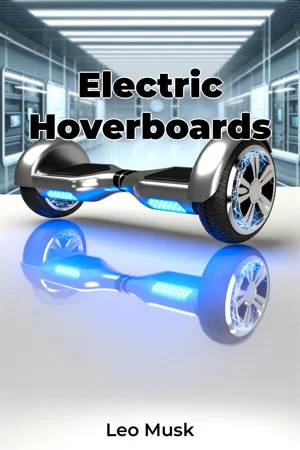
"Electric Hoverboards" examines the technological evolution and engineering principles behind one of the most significant developments in personal transportation of the past decade. From their initial conception to their current status as a mainstream mobility solution, this comprehensive guide explores the intricate mechanics, electrical systems, and safety considerations that shape modern hoverboard technology. The book begins by delving into the fundamental physics and engineering principles that enable self-balancing technology. Readers will gain a thorough understanding of gyroscopic sensors, accelerometers, and the sophisticated control systems that work in concert to provide stable, intuitive operation. The text systematically breaks down complex concepts into digestible explanations, making advanced engineering principles accessible to both technical and non-technical audiences. Central to the book's narrative is the examination of three key areas: power systems and battery technology, mechanical design and materials science, and control system architecture. Each section provides detailed analysis of component selection, system integration, and performance optimization. The author presents extensive research data from leading manufacturers and engineering laboratories, offering readers unprecedented insight into the development process and technical specifications. The work addresses crucial safety considerations, including battery management systems, thermal regulation, and fail-safe mechanisms. In response to well-documented incidents involving early hoverboard models, the book details the evolution of safety standards and certification requirements that have shaped current designs. This includes an analysis of UL 2272 certification and its impact on product development. Practical aspects of hoverboard technology receive substantial attention, with dedicated chapters covering maintenance, troubleshooting, and performance optimization. The text includes detailed diagrams, circuit schematics, and component layouts, serving as both an educational resource and a practical guide for enthusiasts and professionals alike. The interdisciplinary nature of hoverboard development is explored through connections to materials engineering, computer science, and urban planning. The author examines how advances in lightweight materials, artificial intelligence, and smart city infrastructure are influencing the next generation of personal mobility devices. For industry professionals, the book provides valuable insights into manufacturing processes, quality control measures, and regulatory compliance. Engineers and designers will find detailed discussions of torque management, power distribution, and thermal dissipation challenges. Meanwhile, entrepreneurs and business professionals can benefit from market analysis and emerging trends in the personal transportation sector. The text maintains a balanced, technical tone throughout, presenting information with scientific accuracy while remaining accessible to readers with varying levels of technical expertise. Extensive use of case studies, technical illustrations, and real-world examples grounds theoretical concepts in practical applications. Looking toward the future, the book explores emerging technologies and potential developments in the field, including advanced battery chemistry, improved motor efficiency, and integration with smart device ecosystems. The author presents a realistic assessment of both the possibilities and limitations of current technology, while identifying promising areas for future innovation. This comprehensive resource serves as both a technical reference and a practical guide for engineers, designers, manufacturers, and anyone interested in understanding the technology behind modern electric hoverboards. By combining theoretical knowledge with practical applications, the book provides readers with the tools needed to understand, evaluate, and participate in the ongoing evolution of personal transportation technology.
"Electric Hoverboards" examines the technological evolution and engineering principles behind one of the most significant developments in personal transportation of the past decade. From their initial conception to their current status as a mainstream mobility solution, this comprehensive guide explores the intricate mechanics, electrical systems, and safety considerations that shape modern hoverboard technology. The book begins by delving into the fundamental physics and engineering principles that enable self-balancing technology. Readers will gain a thorough understanding of gyroscopic sensors, accelerometers, and the sophisticated control systems that work in concert to provide stable, intuitive operation. The text systematically breaks down complex concepts into digestible explanations, making advanced engineering principles accessible to both technical and non-technical audiences. Central to the book's narrative is the examination of three key areas: power systems and battery technology, mechanical design and materials science, and control system architecture. Each section provides detailed analysis of component selection, system integration, and performance optimization. The author presents extensive research data from leading manufacturers and engineering laboratories, offering readers unprecedented insight into the development process and technical specifications. The work addresses crucial safety considerations, including battery management systems, thermal regulation, and fail-safe mechanisms. In response to well-documented incidents involving early hoverboard models, the book details the evolution of safety standards and certification requirements that have shaped current designs. This includes an analysis of UL 2272 certification and its impact on product development. Practical aspects of hoverboard technology receive substantial attention, with dedicated chapters covering maintenance, troubleshooting, and performance optimization. The text includes detailed diagrams, circuit schematics, and component layouts, serving as both an educational resource and a practical guide for enthusiasts and professionals alike. The interdisciplinary nature of hoverboard development is explored through connections to materials engineering, computer science, and urban planning. The author examines how advances in lightweight materials, artificial intelligence, and smart city infrastructure are influencing the next generation of personal mobility devices. For industry professionals, the book provides valuable insights into manufacturing processes, quality control measures, and regulatory compliance. Engineers and designers will find detailed discussions of torque management, power distribution, and thermal dissipation challenges. Meanwhile, entrepreneurs and business professionals can benefit from market analysis and emerging trends in the personal transportation sector. The text maintains a balanced, technical tone throughout, presenting information with scientific accuracy while remaining accessible to readers with varying levels of technical expertise. Extensive use of case studies, technical illustrations, and real-world examples grounds theoretical concepts in practical applications. Looking toward the future, the book explores emerging technologies and potential developments in the field, including advanced battery chemistry, improved motor efficiency, and integration with smart device ecosystems. The author presents a realistic assessment of both the possibilities and limitations of current technology, while identifying promising areas for future innovation. This comprehensive resource serves as both a technical reference and a practical guide for engineers, designers, manufacturers, and anyone interested in understanding the technology behind modern electric hoverboards. By combining theoretical knowledge with practical applications, the book provides readers with the tools needed to understand, evaluate, and participate in the ongoing evolution of personal transportation technology.
"Electric Hoverboards" offers a comprehensive exploration of the engineering principles and technological innovations that power modern self-balancing personal transportation devices. This authoritative guide bridges the gap between complex technical concepts and practical applications, making advanced engineering principles accessible to both industry professionals and technology enthusiasts. The book systematically unpacks the three fundamental components that make hoverboards possible: power systems and battery technology, mechanical design, and control system architecture. Through detailed analysis of gyroscopic sensors, accelerometers, and sophisticated control systems, readers gain insight into how these elements work together to create stable, responsive personal mobility devices. Particularly noteworthy is the book's thorough examination of safety considerations, including the crucial UL 2272 certification process that has transformed industry standards in response to early technical challenges. Moving from theoretical foundations to practical applications, the text employs case studies, technical illustrations, and real-world examples to demonstrate how abstract engineering concepts translate into functional design. The interdisciplinary approach explores connections between materials science, artificial intelligence, and urban planning, while maintaining a forward-looking perspective on emerging technologies and future innovations in personal transportation. This balanced presentation, supported by research data from leading manufacturers and engineering laboratories, makes the book an invaluable resource for anyone seeking to understand the technology that powers modern electric hoverboards.
Book Details
ISBN
9788233958916
Publisher
Publifye AS
Your Licenses
You don't own any licenses for this book
Purchase a license below to unlock this book and download the EPUB.
Purchase License
Select a tier to unlock this book
Need bulk licensing?
Contact us for enterprise agreements.