
About This Book
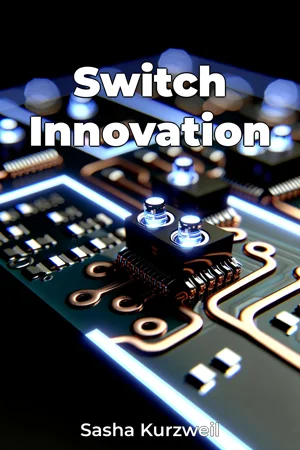
From the first mechanical light switch patented in 1917 to today's smart home technologies, the evolution of electrical switches represents one of the most influential yet overlooked developments in modern engineering. "Switch Innovation" traces this remarkable journey, examining how these fundamental components have shaped our interaction with electrical systems and continue to drive technological advancement. The book presents three core themes: the technical evolution of switching mechanisms, the impact of switches on electrical safety standards, and their role in the digital revolution. These interconnected narratives demonstrate how switches evolved from simple on-off mechanisms to sophisticated control interfaces that enable complex electronic systems. Beginning with the fundamental principles of electrical switching, the text establishes essential concepts of circuit control, contact design, and mechanical actuation. This foundation helps readers understand subsequent discussions of modern developments, including solid-state switching and digital control systems. The central argument posits that switches represent more than mere components—they are the primary interface between humans and electrical systems, driving innovation in user interaction and safety protocols. This perspective reveals how switch design has consistently influenced broader technological development. Organized chronologically, the book explores the progression from early knife switches to modern semiconductor-based solutions. Key chapters examine the development of safety mechanisms in household switches, the introduction of solid-state switching in industrial applications, and the integration of switching systems in smart technologies. The narrative culminates in an analysis of emerging technologies, including haptic feedback systems and gesture-controlled interfaces. The research draws from extensive technical documentation, patent archives, and industry case studies. Notable attention is given to the IEEE switch standards development and their impact on international electrical safety protocols. The author incorporates previously unpublished research on early switch patents and their influence on modern designs. The work connects electrical engineering with materials science, human factors engineering, and digital electronics. This interdisciplinary approach demonstrates how advances in material properties enabled new switch designs, while human interaction studies shaped their physical implementation. Written in a technical yet accessible style, the book presents complex concepts through practical examples and clear illustrations. Each chapter includes technical specifications alongside historical context, making the content valuable for both practicing engineers and technology enthusiasts. The target audience includes electrical engineers, electronics designers, and technology professionals seeking to understand the historical and technical foundations of modern switching systems. The book also appeals to students and educators in electrical engineering programs. Industry professionals will find practical applications in the detailed examination of switch design principles, failure analysis, and optimization strategies. The work addresses current challenges in switch miniaturization, power efficiency, and reliability while exploring potential solutions through emerging technologies. The book acknowledges ongoing debates regarding the future of physical switches in an increasingly touch-oriented world, presenting balanced arguments for both traditional and emerging interface technologies. It maintains objectivity while examining competing standards and design philosophies in modern switch development. "Switch Innovation" provides a comprehensive examination of electrical switching technology, combining historical perspective with technical depth and practical application. It serves as both a technical reference and a thoughtful exploration of how these fundamental components continue to shape our technological landscape.
From the first mechanical light switch patented in 1917 to today's smart home technologies, the evolution of electrical switches represents one of the most influential yet overlooked developments in modern engineering. "Switch Innovation" traces this remarkable journey, examining how these fundamental components have shaped our interaction with electrical systems and continue to drive technological advancement. The book presents three core themes: the technical evolution of switching mechanisms, the impact of switches on electrical safety standards, and their role in the digital revolution. These interconnected narratives demonstrate how switches evolved from simple on-off mechanisms to sophisticated control interfaces that enable complex electronic systems. Beginning with the fundamental principles of electrical switching, the text establishes essential concepts of circuit control, contact design, and mechanical actuation. This foundation helps readers understand subsequent discussions of modern developments, including solid-state switching and digital control systems. The central argument posits that switches represent more than mere components—they are the primary interface between humans and electrical systems, driving innovation in user interaction and safety protocols. This perspective reveals how switch design has consistently influenced broader technological development. Organized chronologically, the book explores the progression from early knife switches to modern semiconductor-based solutions. Key chapters examine the development of safety mechanisms in household switches, the introduction of solid-state switching in industrial applications, and the integration of switching systems in smart technologies. The narrative culminates in an analysis of emerging technologies, including haptic feedback systems and gesture-controlled interfaces. The research draws from extensive technical documentation, patent archives, and industry case studies. Notable attention is given to the IEEE switch standards development and their impact on international electrical safety protocols. The author incorporates previously unpublished research on early switch patents and their influence on modern designs. The work connects electrical engineering with materials science, human factors engineering, and digital electronics. This interdisciplinary approach demonstrates how advances in material properties enabled new switch designs, while human interaction studies shaped their physical implementation. Written in a technical yet accessible style, the book presents complex concepts through practical examples and clear illustrations. Each chapter includes technical specifications alongside historical context, making the content valuable for both practicing engineers and technology enthusiasts. The target audience includes electrical engineers, electronics designers, and technology professionals seeking to understand the historical and technical foundations of modern switching systems. The book also appeals to students and educators in electrical engineering programs. Industry professionals will find practical applications in the detailed examination of switch design principles, failure analysis, and optimization strategies. The work addresses current challenges in switch miniaturization, power efficiency, and reliability while exploring potential solutions through emerging technologies. The book acknowledges ongoing debates regarding the future of physical switches in an increasingly touch-oriented world, presenting balanced arguments for both traditional and emerging interface technologies. It maintains objectivity while examining competing standards and design philosophies in modern switch development. "Switch Innovation" provides a comprehensive examination of electrical switching technology, combining historical perspective with technical depth and practical application. It serves as both a technical reference and a thoughtful exploration of how these fundamental components continue to shape our technological landscape.
"Switch Innovation" presents a fascinating journey through the evolution of electrical switches, from the first mechanical light switch in 1917 to today's sophisticated smart home interfaces. The book expertly weaves together three fundamental narratives: the technical progression of switching mechanisms, their influence on electrical safety standards, and their crucial role in the digital revolution. Through this comprehensive exploration, readers discover how these seemingly simple components have become the primary interface between humans and electrical systems. The text systematically builds understanding by establishing core principles of circuit control and mechanical actuation before delving into modern developments like solid-state switching and digital control systems. Each chapter combines technical specifications with historical context, making complex concepts accessible through practical examples and clear illustrations. Particularly noteworthy is the book's examination of how switch design has influenced safety protocols and user interaction patterns across different technological eras. Moving chronologically from early knife switches to contemporary semiconductor-based solutions, the book demonstrates the interdisciplinary nature of switch development, connecting electrical engineering with materials science and human factors engineering. The author draws from extensive technical documentation and previously unpublished patent research, offering valuable insights for both practicing engineers and technology enthusiasts. This comprehensive approach, combined with discussions of emerging technologies like haptic feedback systems and gesture controls, makes it an essential resource for understanding both the historical significance and future potential of switching technology.
Book Details
ISBN
9788233958879
Publisher
Publifye AS
Your Licenses
You don't own any licenses for this book
Purchase a license below to unlock this book and download the EPUB.
Purchase License
Select a tier to unlock this book
Need bulk licensing?
Contact us for enterprise agreements.