
About This Book
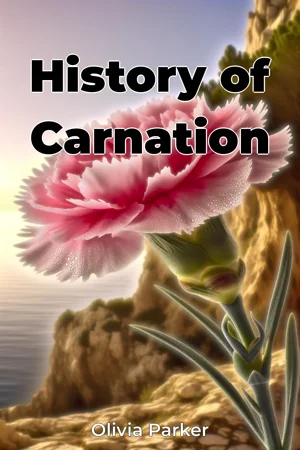
From ancient Mediterranean gardens to modern floral arrangements, carnations have woven themselves into the fabric of human culture, carrying centuries of symbolic meaning and botanical innovation. "History of Carnation" traces the remarkable journey of this resilient flower, exploring its evolution from wild species to one of the world's most cultivated blooms. The book presents a comprehensive examination of Dianthus caryophyllus through three main sections: its botanical origins in the Mediterranean region, its cultural significance across civilizations, and its role in modern horticulture. Through careful analysis of historical documents, botanical records, and archaeological findings, readers discover how this simple flower became a global symbol of love, remembrance, and social status. The narrative begins with the carnation's natural history, examining its development from wild cliff-dwelling species to cultivated varieties. Archaeological evidence reveals its presence in ancient Greek garlands dating back to 300 BCE, while detailed botanical manuscripts from Roman scholars demonstrate early understanding of its cultivation. The book meticulously documents the flower's journey along trade routes, showing how Persian merchants introduced it to Asian gardens and how European explorers later transported it to the New World. Central to the work is the exploration of carnation's cultural impact across societies. Medieval European manuscripts reveal its use in medicine and perfumery, while Renaissance art features the flower as a symbol of betrothal and divine love. The book examines how different colors gained distinct meanings: red for deep love, white for pure love, and pink for maternal affection. These associations continue to influence modern floral traditions. The text incorporates findings from botanical genetics, horticultural science, and anthropological studies to support its historical narrative. Original research includes analyses of preserved specimens from historical herbariums and documentation from monastery gardens, where monks developed many early cultivars. The author draws connections between carnation cultivation and developments in agriculture, trade, and social customs across cultures. The work bridges multiple disciplines, linking botany with art history as it examines the flower's representation in paintings and literature. It connects to economics through historical records of the flower trade and to chemistry through the development of carnation-based fragrances. The book employs an academic approach while maintaining accessibility through clear explanations and contextual details. Modern applications receive thorough attention, including current breeding techniques, commercial cultivation methods, and the flower's role in contemporary floristry. The text addresses challenges facing carnation cultivation, including disease resistance and climate adaptation, while exploring sustainable growing practices. Written for gardeners, historians, and botanical enthusiasts, this book provides practical insights for cultivation while satisfying academic interest in the flower's historical significance. It maintains scientific accuracy while engaging readers through narrative elements that illuminate the human stories behind carnation cultivation and use. The scope encompasses both wild and cultivated varieties, though it focuses primarily on the common carnation and its most significant variants. While global in perspective, special attention is given to Mediterranean and European developments, where the most extensive historical records exist. This systematic examination of the carnation's history provides both practical growing knowledge and deeper understanding of how a single flower species has influenced human society across millennia.
From ancient Mediterranean gardens to modern floral arrangements, carnations have woven themselves into the fabric of human culture, carrying centuries of symbolic meaning and botanical innovation. "History of Carnation" traces the remarkable journey of this resilient flower, exploring its evolution from wild species to one of the world's most cultivated blooms. The book presents a comprehensive examination of Dianthus caryophyllus through three main sections: its botanical origins in the Mediterranean region, its cultural significance across civilizations, and its role in modern horticulture. Through careful analysis of historical documents, botanical records, and archaeological findings, readers discover how this simple flower became a global symbol of love, remembrance, and social status. The narrative begins with the carnation's natural history, examining its development from wild cliff-dwelling species to cultivated varieties. Archaeological evidence reveals its presence in ancient Greek garlands dating back to 300 BCE, while detailed botanical manuscripts from Roman scholars demonstrate early understanding of its cultivation. The book meticulously documents the flower's journey along trade routes, showing how Persian merchants introduced it to Asian gardens and how European explorers later transported it to the New World. Central to the work is the exploration of carnation's cultural impact across societies. Medieval European manuscripts reveal its use in medicine and perfumery, while Renaissance art features the flower as a symbol of betrothal and divine love. The book examines how different colors gained distinct meanings: red for deep love, white for pure love, and pink for maternal affection. These associations continue to influence modern floral traditions. The text incorporates findings from botanical genetics, horticultural science, and anthropological studies to support its historical narrative. Original research includes analyses of preserved specimens from historical herbariums and documentation from monastery gardens, where monks developed many early cultivars. The author draws connections between carnation cultivation and developments in agriculture, trade, and social customs across cultures. The work bridges multiple disciplines, linking botany with art history as it examines the flower's representation in paintings and literature. It connects to economics through historical records of the flower trade and to chemistry through the development of carnation-based fragrances. The book employs an academic approach while maintaining accessibility through clear explanations and contextual details. Modern applications receive thorough attention, including current breeding techniques, commercial cultivation methods, and the flower's role in contemporary floristry. The text addresses challenges facing carnation cultivation, including disease resistance and climate adaptation, while exploring sustainable growing practices. Written for gardeners, historians, and botanical enthusiasts, this book provides practical insights for cultivation while satisfying academic interest in the flower's historical significance. It maintains scientific accuracy while engaging readers through narrative elements that illuminate the human stories behind carnation cultivation and use. The scope encompasses both wild and cultivated varieties, though it focuses primarily on the common carnation and its most significant variants. While global in perspective, special attention is given to Mediterranean and European developments, where the most extensive historical records exist. This systematic examination of the carnation's history provides both practical growing knowledge and deeper understanding of how a single flower species has influenced human society across millennia.
"History of Carnation" presents a fascinating journey through time, chronicling how the humble Dianthus caryophyllus transformed from a wild Mediterranean cliff-dweller into one of the world's most beloved cultivated flowers. The book weaves together botanical science, cultural history, and horticultural practices to tell the compelling story of this remarkably resilient bloom, which has been captivating humans since ancient times. Through meticulous research drawing from archaeological findings, historical manuscripts, and botanical records, the book reveals how carnations became powerful symbols of love and remembrance across different cultures. From their presence in ancient Greek garlands dating back to 300 BCE to their role in Medieval European medicine and Renaissance art, these flowers have continuously evolved in both cultivation and cultural significance. The text explores fascinating developments in carnation breeding, including how monastery gardens became early centers of cultivar development and how Persian merchants helped spread these beloved flowers throughout Asia. What makes this book particularly valuable is its multidisciplinary approach, combining practical growing advice with rich historical context. Readers learn about modern cultivation techniques and challenges while discovering the flower's influence on art, economics, and social customs throughout history. Whether exploring the meaning behind different carnation colors or examining contemporary sustainable growing practices, the book offers both practical insights for gardeners and engaging historical perspectives for botanical enthusiasts.
Book Details
ISBN
9788233958831
Publisher
Publifye AS
Your Licenses
You don't own any licenses for this book
Purchase a license below to unlock this book and download the EPUB.
Purchase License
Select a tier to unlock this book
Need bulk licensing?
Contact us for enterprise agreements.