
About This Book
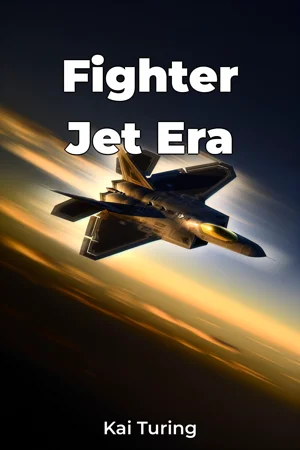
From the first jet-powered dogfight in the Korean War to today's sophisticated stealth aircraft, fighter jet technology has fundamentally transformed modern warfare and air superiority strategies. "Fighter Jet Era" presents a detailed examination of how these remarkable machines have shaped military doctrine and international relations over the past seven decades. The book explores three primary themes: the technological evolution of fighter aircraft from early jet engines to modern integrated combat systems, the strategic implications of fighter capability advancement, and the human-machine interface that defines contemporary air combat. These interconnected aspects reveal how fighter jets have become both a symbol of military power and a crucial determinant in global conflicts. Beginning with the breakthrough development of jet propulsion in the 1940s, the narrative traces how each generation of fighter aircraft has incorporated increasingly sophisticated technologies. Readers will gain insight into the progression from simple radar systems to today's sensor fusion networks, and understand how materials science, computer technology, and aerodynamics have converged to create modern aerial combat platforms. The book's central argument maintains that fighter jet development has not only revolutionized warfare but has also driven broader technological innovation across multiple industries. This thesis is supported by extensive technical documentation, declassified military records, and interviews with fighter pilots, aerospace engineers, and military strategists. The content is structured chronologically and thematically across three major sections. The first examines the fundamental technologies that enable fighter jet capabilities, including propulsion, avionics, and weapons systems. The second section analyzes how these aircraft have influenced military doctrine and strategic planning. The final section explores current developments and future trajectories, including unmanned combat aerial vehicles and artificial intelligence integration. Drawing from engineering documents, military archives, and combat reports, the book provides detailed technical analysis while remaining accessible to non-specialist readers. It incorporates perspectives from aeronautical engineering, military history, and international relations to present a comprehensive view of the subject. The text maintains an analytical tone, balancing technical detail with strategic context. While primarily targeted at military history enthusiasts, aviation professionals, and engineering students, the book offers valuable insights for anyone interested in military technology and its impact on international affairs. Particular attention is given to specific technological watersheds, such as the introduction of fly-by-wire systems, stealth technology, and networked warfare capabilities. The book addresses ongoing debates about the future of manned fighter aircraft versus autonomous systems and the role of air superiority in modern conflict scenarios. Each chapter includes technical specifications, historical photographs, and detailed diagrams that help readers understand complex concepts. The book also examines how fighter jet technology has influenced civilian aviation, computer systems, and materials science, demonstrating the broader impact of military aerospace development. The scope encompasses both Western and Eastern fighter development programs, providing a global perspective on different design philosophies and operational requirements. While the focus remains on fighter jets, the book acknowledges their role within larger military systems and doctrine. This work serves as both a technical reference and a strategic analysis, offering readers a deep understanding of how fighter jet technology continues to shape military capability and international power dynamics in the 21st century.
From the first jet-powered dogfight in the Korean War to today's sophisticated stealth aircraft, fighter jet technology has fundamentally transformed modern warfare and air superiority strategies. "Fighter Jet Era" presents a detailed examination of how these remarkable machines have shaped military doctrine and international relations over the past seven decades. The book explores three primary themes: the technological evolution of fighter aircraft from early jet engines to modern integrated combat systems, the strategic implications of fighter capability advancement, and the human-machine interface that defines contemporary air combat. These interconnected aspects reveal how fighter jets have become both a symbol of military power and a crucial determinant in global conflicts. Beginning with the breakthrough development of jet propulsion in the 1940s, the narrative traces how each generation of fighter aircraft has incorporated increasingly sophisticated technologies. Readers will gain insight into the progression from simple radar systems to today's sensor fusion networks, and understand how materials science, computer technology, and aerodynamics have converged to create modern aerial combat platforms. The book's central argument maintains that fighter jet development has not only revolutionized warfare but has also driven broader technological innovation across multiple industries. This thesis is supported by extensive technical documentation, declassified military records, and interviews with fighter pilots, aerospace engineers, and military strategists. The content is structured chronologically and thematically across three major sections. The first examines the fundamental technologies that enable fighter jet capabilities, including propulsion, avionics, and weapons systems. The second section analyzes how these aircraft have influenced military doctrine and strategic planning. The final section explores current developments and future trajectories, including unmanned combat aerial vehicles and artificial intelligence integration. Drawing from engineering documents, military archives, and combat reports, the book provides detailed technical analysis while remaining accessible to non-specialist readers. It incorporates perspectives from aeronautical engineering, military history, and international relations to present a comprehensive view of the subject. The text maintains an analytical tone, balancing technical detail with strategic context. While primarily targeted at military history enthusiasts, aviation professionals, and engineering students, the book offers valuable insights for anyone interested in military technology and its impact on international affairs. Particular attention is given to specific technological watersheds, such as the introduction of fly-by-wire systems, stealth technology, and networked warfare capabilities. The book addresses ongoing debates about the future of manned fighter aircraft versus autonomous systems and the role of air superiority in modern conflict scenarios. Each chapter includes technical specifications, historical photographs, and detailed diagrams that help readers understand complex concepts. The book also examines how fighter jet technology has influenced civilian aviation, computer systems, and materials science, demonstrating the broader impact of military aerospace development. The scope encompasses both Western and Eastern fighter development programs, providing a global perspective on different design philosophies and operational requirements. While the focus remains on fighter jets, the book acknowledges their role within larger military systems and doctrine. This work serves as both a technical reference and a strategic analysis, offering readers a deep understanding of how fighter jet technology continues to shape military capability and international power dynamics in the 21st century.
"Fighter Jet Era" presents a comprehensive exploration of how fighter aircraft have revolutionized warfare and technological innovation since the advent of jet propulsion in the 1940s. This meticulously researched work examines the intricate relationship between technological advancement, military strategy, and global power dynamics through the lens of fighter jet development. The book uniquely weaves together three critical perspectives: technological evolution, strategic implications, and the crucial human-machine interface in modern air combat. The narrative progresses chronologically through three major sections, beginning with fundamental technologies like propulsion and avionics, moving to their influence on military doctrine, and concluding with current developments in unmanned systems and AI integration. Notable technological milestones, such as the implementation of fly-by-wire systems and stealth technology, are examined in detail, showing how each advancement has shaped modern aerial warfare. The book draws from an impressive array of sources, including declassified military records, engineering documents, and interviews with pilots and aerospace experts. What sets this work apart is its balanced approach to technical and strategic analysis, making complex engineering concepts accessible while maintaining depth and accuracy. The global perspective on both Western and Eastern fighter development programs provides readers with a comprehensive understanding of different design philosophies and operational requirements. Through detailed diagrams, technical specifications, and historical photographs, readers gain insight into how fighter jet technology has not only transformed military capabilities but also influenced civilian aviation and broader technological innovation.
Book Details
ISBN
9788233958787
Publisher
Publifye AS
Your Licenses
You don't own any licenses for this book
Purchase a license below to unlock this book and download the EPUB.
Purchase License
Select a tier to unlock this book
Need bulk licensing?
Contact us for enterprise agreements.