
About This Book
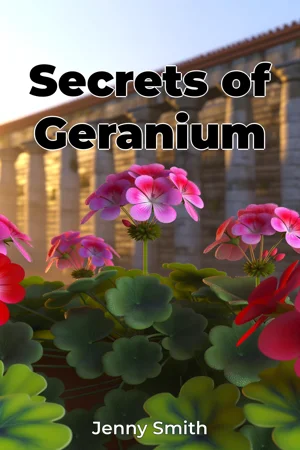
In ancient Rome, physicians prescribed geranium root extracts for healing wounds, while across the Mediterranean, Egyptian healers utilized geranium oils in their sacred healing rituals. "Secrets of Geranium" traces the fascinating dual history of this versatile plant, from its medicinal origins to its current status as a beloved garden ornamental. This comprehensive exploration delves into the biochemical properties that made geraniums valuable in traditional medicine across various cultures. The book presents extensive research on the plant's therapeutic compounds, including its essential oils' antimicrobial and anti-inflammatory properties, supported by both historical documentation and modern scientific studies. Readers will discover how these same properties that made geraniums effective medicine also contribute to their success as garden plants, naturally repelling harmful insects while attracting beneficial pollinators. The narrative unfolds across three main sections. The first examines the botanical classification of geraniums and their native habitats, providing context for their widespread adoption in both medicine and horticulture. The second section details the plant's medical applications throughout history, from ancient remedies to current pharmaceutical research. The final section bridges the medicinal and ornamental aspects, explaining how growing conditions affect both the therapeutic properties and aesthetic value of geraniums. Drawing from archaeological findings, historical medical texts, and contemporary research papers, the book presents a thorough analysis of geranium's journey from medicine chest to garden bed. It includes insights from ethnobotanists, pharmaceutical researchers, and horticultural experts, offering multiple perspectives on the plant's significance. The work makes important connections between botanical science, medical history, and modern gardening practices. It explains how understanding geraniums' medicinal properties can inform better cultivation practices, while exploring how different growing conditions affect the concentration of beneficial compounds in the plants. Written in an accessible academic style, the book provides detailed scientific information while remaining engaging for both casual gardeners and medical history enthusiasts. It includes practical guidance for growing geraniums, extracting their beneficial compounds, and maintaining optimal conditions for both ornamental and medicinal purposes. The target audience includes herbalists, gardening enthusiasts, medical historians, and botanical researchers. Home gardeners will find valuable information about cultivating healthy plants, while medical practitioners can learn about the historical context of plant-based medicines and their modern applications. The book addresses current debates about the role of traditional plant medicines in modern healthcare, examining both the potential benefits and limitations of geranium-derived treatments. It presents evidence-based discussions of traditional uses while maintaining a balanced perspective on their application in contemporary medicine. Notably, the work includes detailed profiles of different geranium species, their specific medicinal properties, and optimal growing conditions. It also features case studies from various historical periods, demonstrating how medical knowledge of geraniums evolved alongside horticultural practices. While focusing primarily on medicinal and ornamental applications, the book acknowledges limitations in current research and areas requiring further study. It provides practical recommendations for both small-scale garden cultivation and medicinal preparation, making the information immediately applicable for readers.
In ancient Rome, physicians prescribed geranium root extracts for healing wounds, while across the Mediterranean, Egyptian healers utilized geranium oils in their sacred healing rituals. "Secrets of Geranium" traces the fascinating dual history of this versatile plant, from its medicinal origins to its current status as a beloved garden ornamental. This comprehensive exploration delves into the biochemical properties that made geraniums valuable in traditional medicine across various cultures. The book presents extensive research on the plant's therapeutic compounds, including its essential oils' antimicrobial and anti-inflammatory properties, supported by both historical documentation and modern scientific studies. Readers will discover how these same properties that made geraniums effective medicine also contribute to their success as garden plants, naturally repelling harmful insects while attracting beneficial pollinators. The narrative unfolds across three main sections. The first examines the botanical classification of geraniums and their native habitats, providing context for their widespread adoption in both medicine and horticulture. The second section details the plant's medical applications throughout history, from ancient remedies to current pharmaceutical research. The final section bridges the medicinal and ornamental aspects, explaining how growing conditions affect both the therapeutic properties and aesthetic value of geraniums. Drawing from archaeological findings, historical medical texts, and contemporary research papers, the book presents a thorough analysis of geranium's journey from medicine chest to garden bed. It includes insights from ethnobotanists, pharmaceutical researchers, and horticultural experts, offering multiple perspectives on the plant's significance. The work makes important connections between botanical science, medical history, and modern gardening practices. It explains how understanding geraniums' medicinal properties can inform better cultivation practices, while exploring how different growing conditions affect the concentration of beneficial compounds in the plants. Written in an accessible academic style, the book provides detailed scientific information while remaining engaging for both casual gardeners and medical history enthusiasts. It includes practical guidance for growing geraniums, extracting their beneficial compounds, and maintaining optimal conditions for both ornamental and medicinal purposes. The target audience includes herbalists, gardening enthusiasts, medical historians, and botanical researchers. Home gardeners will find valuable information about cultivating healthy plants, while medical practitioners can learn about the historical context of plant-based medicines and their modern applications. The book addresses current debates about the role of traditional plant medicines in modern healthcare, examining both the potential benefits and limitations of geranium-derived treatments. It presents evidence-based discussions of traditional uses while maintaining a balanced perspective on their application in contemporary medicine. Notably, the work includes detailed profiles of different geranium species, their specific medicinal properties, and optimal growing conditions. It also features case studies from various historical periods, demonstrating how medical knowledge of geraniums evolved alongside horticultural practices. While focusing primarily on medicinal and ornamental applications, the book acknowledges limitations in current research and areas requiring further study. It provides practical recommendations for both small-scale garden cultivation and medicinal preparation, making the information immediately applicable for readers.
"Secrets of Geranium" unveils the remarkable dual legacy of a plant that has served humanity both as a powerful medicinal herb and a cherished ornamental garden specimen. From ancient Roman physicians using geranium root extracts for wound healing to Egyptian healers incorporating its oils in sacred rituals, this versatile plant has maintained its significance across millennia. The book masterfully weaves together archaeological evidence, historical medical texts, and modern scientific research to present a comprehensive understanding of geranium's journey from medicine chest to garden bed. The narrative progresses through three distinct sections, beginning with an exploration of geranium's botanical classification and native habitats. The text then delves into its fascinating medical applications throughout history, highlighting the plant's antimicrobial and anti-inflammatory properties, which are now supported by contemporary scientific studies. The final section bridges the medicinal and ornamental aspects, demonstrating how growing conditions affect both therapeutic potency and aesthetic appeal. Written in an accessible academic style, this work uniquely connects botanical science with medical history and modern gardening practices. It offers practical guidance for cultivating geraniums while exploring their biochemical properties that make them effective in traditional medicine. The book serves multiple audiences, from home gardeners seeking cultivation advice to medical historians interested in plant-based medicines, making it an invaluable resource for anyone interested in the intersection of medicinal plants and horticultural practices.
Book Details
ISBN
9788233958770
Publisher
Publifye AS
Your Licenses
You don't own any licenses for this book
Purchase a license below to unlock this book and download the EPUB.
Purchase License
Select a tier to unlock this book
Need bulk licensing?
Contact us for enterprise agreements.