
About This Book
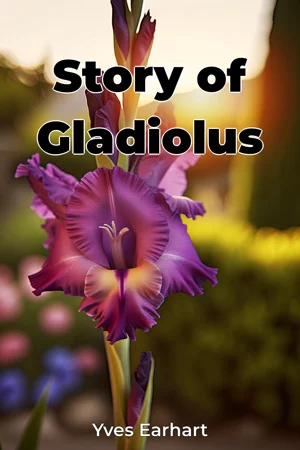
Rising from ancient Mediterranean soils to modern gardens worldwide, the gladiolus stands as a testament to both nature's artistry and human cultivation. "Story of Gladiolus" traces the remarkable journey of this iconic flower, whose sword-shaped leaves earned it the name from the Latin "gladius." This comprehensive exploration delves into three primary aspects of the gladiolus: its evolutionary development from wild species to modern cultivars, its cultural significance across civilizations, and its role in contemporary horticulture. The book presents a detailed examination of how this flower became a symbol of strength in Roman times, while simultaneously representing remembrance and honor in Victorian England. Through careful research drawing from botanical archives, archaeological findings, and horticultural studies, readers discover how the gladiolus transformed from a modest Mediterranean wildflower into one of the world's most cultivated flowering plants. The text examines the botanical characteristics that allowed the plant to adapt and thrive, from its innovative corm system to its remarkable genetic diversity, which has produced over 10,000 registered varieties. The book's structure follows the gladiolus through time, beginning with its natural history and evolution. The middle sections detail the science of gladiolus breeding, including the groundbreaking work of early 20th-century horticulturists who developed disease-resistant strains and expanded the color palette beyond traditional purples and whites. The final chapters focus on practical cultivation techniques and the flower's future in sustainable gardening. Connecting botany, history, and cultural studies, "Story of Gladiolus" reveals how this flower influenced art, literature, and garden design across continents. The text explores its presence in ancient Roman gardens, its journey along trade routes, and its eventual emergence as a staple in modern cut-flower industries. The book incorporates research from botanical institutions worldwide, featuring previously unpublished findings about gladiolus genetics and breeding. Historical photographs, botanical illustrations, and detailed growing guides provide readers with both theoretical knowledge and practical application. Written in an accessible scholarly style, this work serves both experienced horticulturists and amateur gardeners. It provides technical details about cultivation while maintaining engaging historical narratives that contextualize the flower's development. Special attention is given to sustainable growing practices and the gladiolus's role in supporting pollinators in home gardens. The text addresses current debates in plant conservation, discussing efforts to preserve wild gladiolus species threatened by habitat loss. It examines the challenges of maintaining genetic diversity in commercial breeding programs while meeting market demands for specific traits. For gardeners, the book offers detailed guidance on growing conditions, pest management, and variety selection. Historians will find value in the documented cultural significance of the flower across different societies. Professional growers will benefit from the comprehensive overview of breeding techniques and market trends. "Story of Gladiolus" fills a notable gap in horticultural literature by providing the first comprehensive examination of this important genus, combining scientific accuracy with practical cultivation advice. It serves as both a reference work for professionals and an engaging narrative for garden enthusiasts, contributing to the broader understanding of how plants shape human culture and commerce.
Rising from ancient Mediterranean soils to modern gardens worldwide, the gladiolus stands as a testament to both nature's artistry and human cultivation. "Story of Gladiolus" traces the remarkable journey of this iconic flower, whose sword-shaped leaves earned it the name from the Latin "gladius." This comprehensive exploration delves into three primary aspects of the gladiolus: its evolutionary development from wild species to modern cultivars, its cultural significance across civilizations, and its role in contemporary horticulture. The book presents a detailed examination of how this flower became a symbol of strength in Roman times, while simultaneously representing remembrance and honor in Victorian England. Through careful research drawing from botanical archives, archaeological findings, and horticultural studies, readers discover how the gladiolus transformed from a modest Mediterranean wildflower into one of the world's most cultivated flowering plants. The text examines the botanical characteristics that allowed the plant to adapt and thrive, from its innovative corm system to its remarkable genetic diversity, which has produced over 10,000 registered varieties. The book's structure follows the gladiolus through time, beginning with its natural history and evolution. The middle sections detail the science of gladiolus breeding, including the groundbreaking work of early 20th-century horticulturists who developed disease-resistant strains and expanded the color palette beyond traditional purples and whites. The final chapters focus on practical cultivation techniques and the flower's future in sustainable gardening. Connecting botany, history, and cultural studies, "Story of Gladiolus" reveals how this flower influenced art, literature, and garden design across continents. The text explores its presence in ancient Roman gardens, its journey along trade routes, and its eventual emergence as a staple in modern cut-flower industries. The book incorporates research from botanical institutions worldwide, featuring previously unpublished findings about gladiolus genetics and breeding. Historical photographs, botanical illustrations, and detailed growing guides provide readers with both theoretical knowledge and practical application. Written in an accessible scholarly style, this work serves both experienced horticulturists and amateur gardeners. It provides technical details about cultivation while maintaining engaging historical narratives that contextualize the flower's development. Special attention is given to sustainable growing practices and the gladiolus's role in supporting pollinators in home gardens. The text addresses current debates in plant conservation, discussing efforts to preserve wild gladiolus species threatened by habitat loss. It examines the challenges of maintaining genetic diversity in commercial breeding programs while meeting market demands for specific traits. For gardeners, the book offers detailed guidance on growing conditions, pest management, and variety selection. Historians will find value in the documented cultural significance of the flower across different societies. Professional growers will benefit from the comprehensive overview of breeding techniques and market trends. "Story of Gladiolus" fills a notable gap in horticultural literature by providing the first comprehensive examination of this important genus, combining scientific accuracy with practical cultivation advice. It serves as both a reference work for professionals and an engaging narrative for garden enthusiasts, contributing to the broader understanding of how plants shape human culture and commerce.
"Story of Gladiolus" presents a captivating journey through the evolution and cultural significance of one of the world's most beloved flowers, from its humble Mediterranean origins to its status as a globally cultivated botanical treasure. This comprehensive exploration weaves together the botanical science, historical significance, and practical cultivation aspects of a flower that earned its name from the Latin word "gladius" due to its distinctive sword-shaped leaves. The book reveals fascinating insights about the gladiolus's remarkable adaptation capabilities and genetic diversity, which has led to over 10,000 registered varieties, transforming it from a simple wildflower to a cornerstone of modern horticulture. The narrative progresses chronologically, beginning with the flower's natural history and evolution, before delving into the groundbreaking work of early 20th-century plant breeders who revolutionized gladiolus cultivation. Through carefully researched accounts drawing from botanical archives and archaeological findings, readers discover how this flower became a symbol of strength in Roman times and later represented remembrance in Victorian England. The book's approach balances scholarly research with practical application, making complex botanical concepts accessible to both experienced horticulturists and amateur gardeners. The final sections address contemporary issues in gladiolus cultivation, including sustainable growing practices and conservation efforts to protect wild species. By incorporating previously unpublished research findings and detailed growing guides, the book serves as both a historical record and a practical manual for modern gardeners. Its unique value lies in its comprehensive treatment of the subject, combining scientific accuracy with engaging historical narratives while providing essential guidance for cultivation in today's gardens.
Book Details
ISBN
9788233958749
Publisher
Publifye AS
Your Licenses
You don't own any licenses for this book
Purchase a license below to unlock this book and download the EPUB.
Purchase License
Select a tier to unlock this book
Need bulk licensing?
Contact us for enterprise agreements.