
About This Book
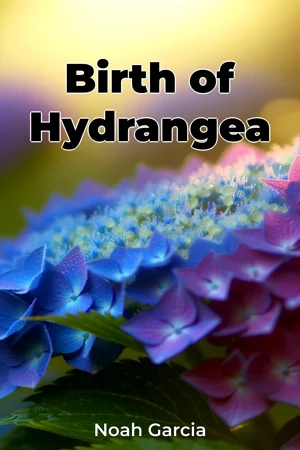
From ancient Chinese tea gardens to modern suburban landscapes, hydrangeas have captivated gardeners and botanists alike with their remarkable ability to change flower colors based on soil chemistry. "Birth of Hydrangea" traces the botanical journey of these versatile plants through centuries of cultivation, scientific discovery, and horticultural innovation. The book presents three main threads: the natural history of wild hydrangea species, their transformation through selective breeding, and the cultural significance of these plants across different societies. By examining botanical records, horticultural journals, and historical documents, readers discover how hydrangeas evolved from woodland plants in Asia to become essential elements of gardens worldwide. Starting with the genus's origins in the mountain regions of East Asia, the narrative explores how different species developed their distinctive characteristics. The text delves into the scientific understanding of hydrangeas' unique color-changing properties, explaining how soil pH influences flower pigmentation—a phenomenon that has intrigued researchers and gardeners for generations. The book's core focuses on the horticultural development of modern hydrangea varieties, documenting the work of plant breeders from the 18th century to present day. Readers learn about key breeding breakthroughs, including the development of ever-blooming varieties and compact cultivars suitable for smaller gardens. This section includes detailed case studies of notable breeding programs in France, Japan, and the United States. Practical aspects of hydrangea cultivation receive thorough attention, with chapters dedicated to soil preparation, pruning techniques, and color manipulation. The text incorporates research from soil science and plant physiology to explain why certain growing practices yield better results than others. These insights are supported by long-term studies from botanical gardens and research institutions worldwide. The book makes connections across multiple disciplines, linking botanical science with landscape design, soil chemistry, and cultural history. It examines how hydrangeas influenced garden design movements and became symbols in various cultural traditions, particularly in Japanese and European garden aesthetics. Written in a clear, methodical style that balances scientific accuracy with accessibility, the text serves both experienced horticulturists and home gardeners. Technical concepts are explained through practical examples and illustrated with historical photographs, botanical illustrations, and step-by-step growing guides. The scope encompasses both wild and cultivated hydrangeas, focusing primarily on the most widely grown species while acknowledging the diversity of lesser-known varieties. Current debates in hydrangea cultivation are addressed, including discussions about climate adaptation and sustainable growing practices in changing environmental conditions. For gardeners, the book provides detailed guidance on species selection, site preparation, and maintenance techniques specific to different climatic zones. Landscapers will find valuable information about incorporating hydrangeas into various design styles, while botanists and researchers can reference comprehensive data on species distribution and genetic diversity. The work concludes by examining current trends in hydrangea breeding and cultivation, including efforts to develop more drought-resistant varieties and expand the color palette of available cultivars. It addresses challenges facing hydrangea cultivation in the context of climate change and changing garden spaces, offering practical solutions for adapting growing practices to new conditions.
From ancient Chinese tea gardens to modern suburban landscapes, hydrangeas have captivated gardeners and botanists alike with their remarkable ability to change flower colors based on soil chemistry. "Birth of Hydrangea" traces the botanical journey of these versatile plants through centuries of cultivation, scientific discovery, and horticultural innovation. The book presents three main threads: the natural history of wild hydrangea species, their transformation through selective breeding, and the cultural significance of these plants across different societies. By examining botanical records, horticultural journals, and historical documents, readers discover how hydrangeas evolved from woodland plants in Asia to become essential elements of gardens worldwide. Starting with the genus's origins in the mountain regions of East Asia, the narrative explores how different species developed their distinctive characteristics. The text delves into the scientific understanding of hydrangeas' unique color-changing properties, explaining how soil pH influences flower pigmentation—a phenomenon that has intrigued researchers and gardeners for generations. The book's core focuses on the horticultural development of modern hydrangea varieties, documenting the work of plant breeders from the 18th century to present day. Readers learn about key breeding breakthroughs, including the development of ever-blooming varieties and compact cultivars suitable for smaller gardens. This section includes detailed case studies of notable breeding programs in France, Japan, and the United States. Practical aspects of hydrangea cultivation receive thorough attention, with chapters dedicated to soil preparation, pruning techniques, and color manipulation. The text incorporates research from soil science and plant physiology to explain why certain growing practices yield better results than others. These insights are supported by long-term studies from botanical gardens and research institutions worldwide. The book makes connections across multiple disciplines, linking botanical science with landscape design, soil chemistry, and cultural history. It examines how hydrangeas influenced garden design movements and became symbols in various cultural traditions, particularly in Japanese and European garden aesthetics. Written in a clear, methodical style that balances scientific accuracy with accessibility, the text serves both experienced horticulturists and home gardeners. Technical concepts are explained through practical examples and illustrated with historical photographs, botanical illustrations, and step-by-step growing guides. The scope encompasses both wild and cultivated hydrangeas, focusing primarily on the most widely grown species while acknowledging the diversity of lesser-known varieties. Current debates in hydrangea cultivation are addressed, including discussions about climate adaptation and sustainable growing practices in changing environmental conditions. For gardeners, the book provides detailed guidance on species selection, site preparation, and maintenance techniques specific to different climatic zones. Landscapers will find valuable information about incorporating hydrangeas into various design styles, while botanists and researchers can reference comprehensive data on species distribution and genetic diversity. The work concludes by examining current trends in hydrangea breeding and cultivation, including efforts to develop more drought-resistant varieties and expand the color palette of available cultivars. It addresses challenges facing hydrangea cultivation in the context of climate change and changing garden spaces, offering practical solutions for adapting growing practices to new conditions.
"Birth of Hydrangea" presents a fascinating exploration of one of gardening's most beloved plants, tracing their evolution from ancient Chinese tea gardens to modern suburban landscapes. This comprehensive work weaves together the botanical history, scientific understanding, and cultural significance of hydrangeas, with particular emphasis on their remarkable ability to change flower colors based on soil chemistry. The book masterfully combines historical research with practical gardening knowledge, making it valuable for both horticultural enthusiasts and casual gardeners. The narrative progresses from the plant's origins in East Asian mountain regions through centuries of cultivation and breeding innovations, highlighting key developments in France, Japan, and the United States. Readers discover the scientific principles behind hydrangeas' famous color-changing properties, learning how soil pH influences flower pigmentation – a phenomenon that has captivated gardeners for generations. The book provides detailed insights into cultivation techniques, including soil preparation, pruning methods, and color manipulation, all supported by research from botanical gardens worldwide. Moving beyond purely practical aspects, the text examines hydrangeas' influence on garden design movements and their cultural significance across different societies. The book concludes with contemporary challenges and opportunities in hydrangea cultivation, addressing climate adaptation and sustainable growing practices. Throughout, technical concepts are presented through accessible language and practical examples, making complex botanical science comprehensible to a general audience while maintaining depth for more experienced horticulturists.
Book Details
ISBN
9788233958688
Publisher
Publifye AS
Your Licenses
You don't own any licenses for this book
Purchase a license below to unlock this book and download the EPUB.
Purchase License
Select a tier to unlock this book
Need bulk licensing?
Contact us for enterprise agreements.