
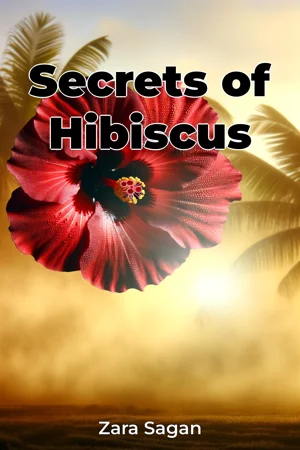
About This Book
In the warm, humid regions of Southeast Asia, a flower has shaped human culture for millennia. "Secrets of Hibiscus" reveals how this distinctive plant, with its vibrant blooms and versatile properties, has influenced traditional medicine, cultural practices, and modern applications across continents. This comprehensive exploration of Hibiscus traces its evolutionary journey from tropical origins through its global dissemination. The book presents detailed botanical research on the more than 200 species within the Hibiscus genus, examining their genetic diversity and adaptive characteristics across different climates. Drawing from both historical documents and current scientific studies, it illuminates how various cultures have utilized this plant for medicinal, culinary, and ceremonial purposes. The work is structured in three main sections. The first delves into the plant's biology, detailing its unique cellular structure and the biochemical compounds that contribute to its therapeutic properties. The second section examines the ethnobotanical significance of hibiscus across cultures, from its use in Traditional Chinese Medicine to its role in Caribbean healing practices. The final section bridges traditional knowledge with modern scientific validation, presenting current research on hibiscus's potential in treating cardiovascular conditions and supporting immune function. Through careful analysis of peer-reviewed studies and clinical trials, the book demonstrates how hibiscus-derived compounds interact with human physiology. Particular attention is given to anthocyanins and other flavonoids found in hibiscus calyces, explaining their antioxidant properties and potential applications in modern medicine. The text incorporates findings from botanical research centers across Thailand, India, and Brazil, providing a global perspective on current hibiscus research. The book connects multiple disciplines, linking botanical science with pharmacology, cultural anthropology, and public health. It examines how traditional knowledge of hibiscus aligns with modern scientific understanding, creating a bridge between historical wisdom and contemporary research methodologies. The work also addresses the sustainability challenges in hibiscus cultivation and harvesting, discussing conservation efforts and sustainable farming practices. Written in an academic yet accessible style, the text provides detailed scientific information while remaining engaging for readers with varying levels of scientific background. It serves both as a reference for researchers and as an informative guide for practitioners in natural medicine, botany, and agriculture. The target audience includes botanists, ethnobotanists, medical researchers, and professionals in natural product development. The book also appeals to readers interested in plant medicine, sustainable agriculture, and the intersection of traditional practices with modern science. Each chapter includes detailed botanical illustrations, chemical structure diagrams, and tables summarizing research findings. The work maintains scientific rigor while acknowledging areas where further research is needed, particularly in standardizing preparation methods for medicinal applications and understanding environmental impacts on active compound development. The book concludes with practical applications for cultivation, processing, and preparation of hibiscus for various uses, from therapeutic teas to natural dyes. It addresses current debates in the standardization of herbal medicines and the integration of traditional plant knowledge into modern healthcare systems, providing a balanced perspective on these ongoing discussions.
In the warm, humid regions of Southeast Asia, a flower has shaped human culture for millennia. "Secrets of Hibiscus" reveals how this distinctive plant, with its vibrant blooms and versatile properties, has influenced traditional medicine, cultural practices, and modern applications across continents. This comprehensive exploration of Hibiscus traces its evolutionary journey from tropical origins through its global dissemination. The book presents detailed botanical research on the more than 200 species within the Hibiscus genus, examining their genetic diversity and adaptive characteristics across different climates. Drawing from both historical documents and current scientific studies, it illuminates how various cultures have utilized this plant for medicinal, culinary, and ceremonial purposes. The work is structured in three main sections. The first delves into the plant's biology, detailing its unique cellular structure and the biochemical compounds that contribute to its therapeutic properties. The second section examines the ethnobotanical significance of hibiscus across cultures, from its use in Traditional Chinese Medicine to its role in Caribbean healing practices. The final section bridges traditional knowledge with modern scientific validation, presenting current research on hibiscus's potential in treating cardiovascular conditions and supporting immune function. Through careful analysis of peer-reviewed studies and clinical trials, the book demonstrates how hibiscus-derived compounds interact with human physiology. Particular attention is given to anthocyanins and other flavonoids found in hibiscus calyces, explaining their antioxidant properties and potential applications in modern medicine. The text incorporates findings from botanical research centers across Thailand, India, and Brazil, providing a global perspective on current hibiscus research. The book connects multiple disciplines, linking botanical science with pharmacology, cultural anthropology, and public health. It examines how traditional knowledge of hibiscus aligns with modern scientific understanding, creating a bridge between historical wisdom and contemporary research methodologies. The work also addresses the sustainability challenges in hibiscus cultivation and harvesting, discussing conservation efforts and sustainable farming practices. Written in an academic yet accessible style, the text provides detailed scientific information while remaining engaging for readers with varying levels of scientific background. It serves both as a reference for researchers and as an informative guide for practitioners in natural medicine, botany, and agriculture. The target audience includes botanists, ethnobotanists, medical researchers, and professionals in natural product development. The book also appeals to readers interested in plant medicine, sustainable agriculture, and the intersection of traditional practices with modern science. Each chapter includes detailed botanical illustrations, chemical structure diagrams, and tables summarizing research findings. The work maintains scientific rigor while acknowledging areas where further research is needed, particularly in standardizing preparation methods for medicinal applications and understanding environmental impacts on active compound development. The book concludes with practical applications for cultivation, processing, and preparation of hibiscus for various uses, from therapeutic teas to natural dyes. It addresses current debates in the standardization of herbal medicines and the integration of traditional plant knowledge into modern healthcare systems, providing a balanced perspective on these ongoing discussions.
"Secrets of Hibiscus" presents a fascinating journey through the scientific and cultural significance of one of Southeast Asia's most versatile flowering plants. This comprehensive work skillfully weaves together the botanical complexity of over 200 Hibiscus species with their profound impact on human civilization, from traditional healing practices to modern medical applications. The book's three-part structure systematically unveils the hibiscus story, beginning with a detailed exploration of its biological characteristics and unique cellular structure. Moving through its rich ethnobotanical heritage across diverse cultures, from Chinese medicine to Caribbean healing traditions, the text culminates in a rigorous examination of contemporary scientific research validating traditional uses. Particular attention is given to the plant's powerful anthocyanins and flavonoids, compounds that show promising potential in cardiovascular health and immune system support. Drawing from research conducted across Thailand, India, and Brazil, this scholarly yet accessible work bridges the gap between ancient wisdom and modern science. The text expertly balances technical detail with practical applications, making it valuable for both researchers and practitioners. Through detailed illustrations and comprehensive analysis, the book addresses crucial contemporary issues, including sustainable cultivation practices and the standardization of herbal medicines, while maintaining a clear focus on the plant's remarkable therapeutic potential.
Book Details
ISBN
9788233958602
Publisher
Publifye AS
Your Licenses
You don't own any licenses for this book
Purchase a license below to unlock this book and download the EPUB.
Purchase License
Select a tier to unlock this book
Need bulk licensing?
Contact us for enterprise agreements.