
About This Book
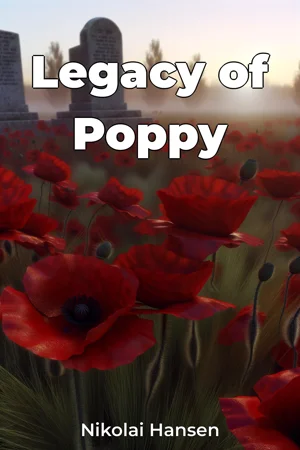
The crimson petals of the poppy have silently witnessed centuries of human conflict, healing, and artistic expression, weaving together a narrative that spans battlefields, artist studios, and medical laboratories. "Legacy of Poppy" examines this remarkable plant's role in shaping human history through three interconnected lenses: warfare commemoration, artistic symbolism, and medicinal significance. The book presents a chronological journey beginning with the earliest documented uses of poppies in ancient Mesopotamian medicine, through their emergence as powerful symbols in classical art, to their modern status as international emblems of remembrance. Drawing from military archives, art historical records, and pharmaceutical documentation, this comprehensive study reveals how a single flower came to embody both the solace of healing and the weight of wartime sacrifice. Central to the narrative is the transformation of the poppy from a common wildflower to a powerful cultural symbol. The first section explores its prominence on World War I battlefields, where the disrupted soil of combat zones created ideal growing conditions, leading to the flower's adoption as a memorial symbol through John McCrae's poem "In Flanders Fields." This evolution is traced through military documents, soldiers' letters, and contemporary accounts. The artistic analysis spans classical antiquity to modern times, examining how painters, sculptors, and poets have utilized poppy imagery. The book includes detailed studies of works by Claude Monet, Vincent van Gogh, and Georgia O'Keeffe, revealing how these artists interpreted the flower's complex symbolism. Previously unpublished sketches and studio notes provide insight into their creative processes. The medical history section documents the poppy's dual nature as both healer and potential destroyer. From ancient Egyptian pain remedies to modern opioid medications, the book examines how societies have grappled with the plant's powerful properties. This section incorporates recent research findings and historical medical texts to present a balanced view of the ongoing challenges in pain management and addiction medicine. The research draws from diverse sources, including military records, art museum archives, medical journals, and botanical studies. Archaeological evidence and chemical analysis of ancient artifacts provide new insights into historical poppy use, while contemporary medical studies illuminate current applications and concerns. The book's interdisciplinary approach connects military history with art analysis and medical science, demonstrating how cultural symbolism influences scientific research and how medical discoveries shape artistic representation. This integration provides readers with a nuanced understanding of how different fields interpret and utilize the same subject. Written in an analytical style that balances scholarly rigor with accessibility, "Legacy of Poppy" serves military historians, art enthusiasts, and medical professionals while remaining engaging for general readers interested in cultural history. The text maintains objectivity when addressing controversial topics such as the opioid crisis and the commercialization of remembrance symbols. Each chapter includes relevant photographs, botanical illustrations, and reproductions of artwork, supported by detailed annotations and primary source excerpts. The book concludes by examining current research into alternative pain management solutions and modern artistic interpretations of the poppy in digital media. This work fills a significant gap in existing literature by synthesizing previously separate fields of study into a cohesive narrative about how a single plant has influenced human civilization across multiple domains. It provides valuable context for current debates about pain management, war commemoration, and the role of symbolic art in society.
The crimson petals of the poppy have silently witnessed centuries of human conflict, healing, and artistic expression, weaving together a narrative that spans battlefields, artist studios, and medical laboratories. "Legacy of Poppy" examines this remarkable plant's role in shaping human history through three interconnected lenses: warfare commemoration, artistic symbolism, and medicinal significance. The book presents a chronological journey beginning with the earliest documented uses of poppies in ancient Mesopotamian medicine, through their emergence as powerful symbols in classical art, to their modern status as international emblems of remembrance. Drawing from military archives, art historical records, and pharmaceutical documentation, this comprehensive study reveals how a single flower came to embody both the solace of healing and the weight of wartime sacrifice. Central to the narrative is the transformation of the poppy from a common wildflower to a powerful cultural symbol. The first section explores its prominence on World War I battlefields, where the disrupted soil of combat zones created ideal growing conditions, leading to the flower's adoption as a memorial symbol through John McCrae's poem "In Flanders Fields." This evolution is traced through military documents, soldiers' letters, and contemporary accounts. The artistic analysis spans classical antiquity to modern times, examining how painters, sculptors, and poets have utilized poppy imagery. The book includes detailed studies of works by Claude Monet, Vincent van Gogh, and Georgia O'Keeffe, revealing how these artists interpreted the flower's complex symbolism. Previously unpublished sketches and studio notes provide insight into their creative processes. The medical history section documents the poppy's dual nature as both healer and potential destroyer. From ancient Egyptian pain remedies to modern opioid medications, the book examines how societies have grappled with the plant's powerful properties. This section incorporates recent research findings and historical medical texts to present a balanced view of the ongoing challenges in pain management and addiction medicine. The research draws from diverse sources, including military records, art museum archives, medical journals, and botanical studies. Archaeological evidence and chemical analysis of ancient artifacts provide new insights into historical poppy use, while contemporary medical studies illuminate current applications and concerns. The book's interdisciplinary approach connects military history with art analysis and medical science, demonstrating how cultural symbolism influences scientific research and how medical discoveries shape artistic representation. This integration provides readers with a nuanced understanding of how different fields interpret and utilize the same subject. Written in an analytical style that balances scholarly rigor with accessibility, "Legacy of Poppy" serves military historians, art enthusiasts, and medical professionals while remaining engaging for general readers interested in cultural history. The text maintains objectivity when addressing controversial topics such as the opioid crisis and the commercialization of remembrance symbols. Each chapter includes relevant photographs, botanical illustrations, and reproductions of artwork, supported by detailed annotations and primary source excerpts. The book concludes by examining current research into alternative pain management solutions and modern artistic interpretations of the poppy in digital media. This work fills a significant gap in existing literature by synthesizing previously separate fields of study into a cohesive narrative about how a single plant has influenced human civilization across multiple domains. It provides valuable context for current debates about pain management, war commemoration, and the role of symbolic art in society.
"Legacy of Poppy" presents a fascinating exploration of how the humble poppy flower has profoundly influenced human civilization across three critical domains: military remembrance, artistic expression, and medicine. This comprehensive study traces the flower's journey from ancient Mesopotamian healing practices to its powerful modern symbolism as an emblem of wartime sacrifice and remembrance, particularly following World War I and the famous poem "In Flanders Fields." The book skillfully weaves together military documents, artistic masterpieces, and medical records to reveal the poppy's remarkable cultural impact. Through detailed analysis of works by renowned artists like Monet and Van Gogh, alongside examination of battlefield accounts and pharmaceutical history, readers discover how this single flower came to simultaneously represent both the horrors of war and the hope of healing. The transformation of the poppy from a common wildflower to a powerful international symbol of remembrance is particularly compelling, as the book reveals how battlefield conditions in WWI created perfect growing conditions for poppies, leading to their adoption as a memorial symbol. Drawing from diverse sources including military archives, art museum collections, and medical journals, the narrative progresses chronologically while maintaining clear connections between different fields of study. The interdisciplinary approach offers unique insights into how cultural symbolism influences scientific research and artistic representation, making this work valuable for military historians, art enthusiasts, and medical professionals alike. The book's examination of the poppy's dual nature as both healer and potential destroyer provides crucial context for contemporary discussions about pain management and war commemoration.
Book Details
ISBN
9788233958565
Publisher
Publifye AS
Your Licenses
You don't own any licenses for this book
Purchase a license below to unlock this book and download the EPUB.
Purchase License
Select a tier to unlock this book
Need bulk licensing?
Contact us for enterprise agreements.