
About This Book
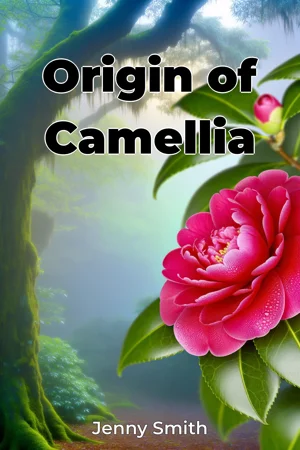
From ancient Chinese forests to the ornate gardens of European estates, the camellia has shaped human culture, commerce, and botanical science for over two millennia. "Origin of Camellia" traces the journey of this remarkable plant family, focusing on its dual role as both the source of the world's most consumed beverage and as a coveted ornamental flower. The book presents a comprehensive exploration of the camellia's biological origins in Southeast Asia, where over 200 species evolved across diverse climates and terrains. Through meticulous botanical research and historical records, readers discover how Camellia sinensis became the foundation of the global tea trade, while its ornamental cousins, particularly Camellia japonica and Camellia sasanqua, transformed Western gardening practices. The narrative is structured in three main sections. The first examines the botanical classification and natural history of camellias, incorporating recent genetic studies that reveal the plant family's evolutionary adaptations. The second section documents the camellia's role in tea cultivation, from ancient Chinese medicinal uses to the establishment of vast tea plantations across Asia and Africa. The final section explores the development of ornamental camellia varieties and their influence on garden design from the 17th century onward. Drawing from botanical archives, historical documents, and contemporary research, the book illuminates the intersection of science, culture, and economics. It details how tea production methods evolved across different regions and how selective breeding led to thousands of ornamental camellia cultivars. The text incorporates findings from botanical gardens worldwide and includes contributions from leading camellia researchers and historians. The work connects multiple disciplines, linking botanical science with economic history, cultural anthropology, and landscape architecture. These connections provide readers with a broader understanding of how a single plant genus has influenced global trade routes, cultural ceremonies, and garden aesthetics across continents. The book maintains an academic foundation while remaining accessible to general readers interested in botany, gardening, or cultural history. It includes practical information for modern gardeners, discussing cultivation requirements, variety selection, and breeding techniques. For tea enthusiasts, it offers insights into how different growing conditions and processing methods affect tea quality and flavor profiles. Particularly valuable for botanists, horticulturists, and garden historians, this work also appeals to tea industry professionals and serious gardeners. The text addresses current challenges in camellia conservation, including the preservation of wild species threatened by habitat loss and climate change. The scope encompasses both historical developments and contemporary issues, though it focuses primarily on documented history rather than speculation about prehistoric use. It examines ongoing debates about camellia classification and the impact of modern cultivation techniques on species preservation. Through careful analysis of historical and scientific evidence, the book demonstrates how the camellia family has consistently influenced human society, from shaping social customs to driving technological innovations in plant breeding and tea processing. This work serves as both a scientific reference and a practical guide, offering readers a deeper understanding of this significant genus while providing applicable knowledge for cultivation and appreciation.
From ancient Chinese forests to the ornate gardens of European estates, the camellia has shaped human culture, commerce, and botanical science for over two millennia. "Origin of Camellia" traces the journey of this remarkable plant family, focusing on its dual role as both the source of the world's most consumed beverage and as a coveted ornamental flower. The book presents a comprehensive exploration of the camellia's biological origins in Southeast Asia, where over 200 species evolved across diverse climates and terrains. Through meticulous botanical research and historical records, readers discover how Camellia sinensis became the foundation of the global tea trade, while its ornamental cousins, particularly Camellia japonica and Camellia sasanqua, transformed Western gardening practices. The narrative is structured in three main sections. The first examines the botanical classification and natural history of camellias, incorporating recent genetic studies that reveal the plant family's evolutionary adaptations. The second section documents the camellia's role in tea cultivation, from ancient Chinese medicinal uses to the establishment of vast tea plantations across Asia and Africa. The final section explores the development of ornamental camellia varieties and their influence on garden design from the 17th century onward. Drawing from botanical archives, historical documents, and contemporary research, the book illuminates the intersection of science, culture, and economics. It details how tea production methods evolved across different regions and how selective breeding led to thousands of ornamental camellia cultivars. The text incorporates findings from botanical gardens worldwide and includes contributions from leading camellia researchers and historians. The work connects multiple disciplines, linking botanical science with economic history, cultural anthropology, and landscape architecture. These connections provide readers with a broader understanding of how a single plant genus has influenced global trade routes, cultural ceremonies, and garden aesthetics across continents. The book maintains an academic foundation while remaining accessible to general readers interested in botany, gardening, or cultural history. It includes practical information for modern gardeners, discussing cultivation requirements, variety selection, and breeding techniques. For tea enthusiasts, it offers insights into how different growing conditions and processing methods affect tea quality and flavor profiles. Particularly valuable for botanists, horticulturists, and garden historians, this work also appeals to tea industry professionals and serious gardeners. The text addresses current challenges in camellia conservation, including the preservation of wild species threatened by habitat loss and climate change. The scope encompasses both historical developments and contemporary issues, though it focuses primarily on documented history rather than speculation about prehistoric use. It examines ongoing debates about camellia classification and the impact of modern cultivation techniques on species preservation. Through careful analysis of historical and scientific evidence, the book demonstrates how the camellia family has consistently influenced human society, from shaping social customs to driving technological innovations in plant breeding and tea processing. This work serves as both a scientific reference and a practical guide, offering readers a deeper understanding of this significant genus while providing applicable knowledge for cultivation and appreciation.
"Origin of Camellia" presents a fascinating journey through the remarkable history and influence of one of the world's most significant plant families. This comprehensive exploration reveals how camellias have shaped human civilization through two primary roles: as the source of tea, the world's most consumed beverage, and as prized ornamental flowers that have graced gardens worldwide. From its origins in Southeast Asian forests, where over 200 species evolved, to its transformation of European garden aesthetics, the camellia's story interweaves botanical science, cultural practices, and global commerce. The book progresses naturally through three main sections, beginning with a detailed examination of camellia biology and evolution, supported by recent genetic research. It then delves into the fascinating history of tea cultivation, tracing how Camellia sinensis spread from ancient Chinese medicinal uses to become a global commodity. The final section chronicles the development of ornamental varieties and their profound impact on garden design since the 17th century, highlighting how selective breeding has produced thousands of cultivars. What makes this work particularly valuable is its multidisciplinary approach, combining botanical expertise with cultural history and practical gardening guidance. Drawing from extensive historical documents and contemporary research, it offers both scientific insights and practical cultivation advice. The book serves multiple audiences, from serious botanists and horticulturists to tea enthusiasts and home gardeners, while addressing current challenges in camellia conservation and species preservation.
Book Details
ISBN
9788233958541
Publisher
Publifye AS
Your Licenses
You don't own any licenses for this book
Purchase a license below to unlock this book and download the EPUB.
Purchase License
Select a tier to unlock this book
Need bulk licensing?
Contact us for enterprise agreements.