
About This Book
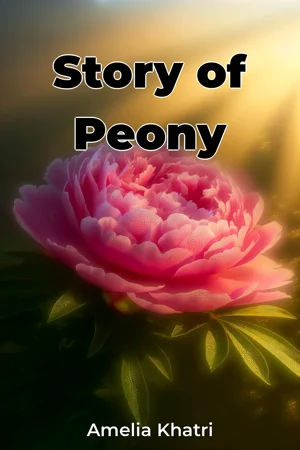
"Story of Peony" traces the 4,000-year journey of one of the world's most culturally significant flowers, from its origins in ancient China to its global presence in modern gardens and scientific laboratories. The book weaves together three distinct narratives: the peony's role in traditional medicine across civilizations, its emergence as a prominent symbol in art and literature, and its botanical evolution from wild species to the cultivated varieties we know today. Through meticulous research drawing from archaeological findings, historical documents, and botanical archives, readers discover how this flower shaped human history across continents and cultures. Beginning in ancient China's Tang Dynasty, where peonies were deemed the "King of Flowers," the narrative explores how these blooms became more than mere ornamental plants. The first section delves into their medicinal applications, examining how traditional healers used peony roots to treat conditions ranging from inflammation to convulsions. Modern scientific research now validates many of these historical medical applications, creating a bridge between ancient wisdom and contemporary pharmaceutical research. The book's middle chapters focus on the peony's artistic and cultural impact, analyzing its recurring presence in Chinese scroll paintings, European still-life masterpieces, and Japanese woodblock prints. This section reveals how peonies transcended their botanical origins to become powerful symbols of prosperity, honor, and healing across different societies. Readers learn how the flower's migration along the Silk Road influenced artistic traditions and cultural practices in each region it reached. The final portion examines the botanical science behind peonies, including their complex genetics, cultivation requirements, and conservation challenges. Through interviews with contemporary botanists, garden historians, and peony breeders, the book provides insights into current efforts to preserve heritage varieties and develop new cultivars adapted to changing climatic conditions. The text integrates findings from botanical science, art history, and medical research, demonstrating how peonies connect these seemingly disparate fields. Primary sources, including ancient medical texts, artists' journals, and horticultural records, provide the foundation for the book's claims and observations. Written in an accessible narrative style that balances scholarly detail with engaging storytelling, the book serves both general readers interested in natural history and specialists in botany or cultural studies. Each chapter includes detailed illustrations, photographs, and diagrams that complement the text and help readers visualize the concepts discussed. The work addresses ongoing debates about the role of traditional plant knowledge in modern medicine and conservation biology. It examines contrasting theories about peony species classification and discusses challenges in authenticating historical claims about their medicinal properties. While focusing primarily on the tree and herbaceous peony species most significant to human culture, the book acknowledges the broader diversity of the genus Paeonia. It provides practical insights for gardeners and herbalists while maintaining rigorous academic standards in its historical and scientific content. This comprehensive examination of the peony's influence across medicine, art, and botany reveals how a single plant species can illuminate the complex relationships between human culture and the natural world.
"Story of Peony" traces the 4,000-year journey of one of the world's most culturally significant flowers, from its origins in ancient China to its global presence in modern gardens and scientific laboratories. The book weaves together three distinct narratives: the peony's role in traditional medicine across civilizations, its emergence as a prominent symbol in art and literature, and its botanical evolution from wild species to the cultivated varieties we know today. Through meticulous research drawing from archaeological findings, historical documents, and botanical archives, readers discover how this flower shaped human history across continents and cultures. Beginning in ancient China's Tang Dynasty, where peonies were deemed the "King of Flowers," the narrative explores how these blooms became more than mere ornamental plants. The first section delves into their medicinal applications, examining how traditional healers used peony roots to treat conditions ranging from inflammation to convulsions. Modern scientific research now validates many of these historical medical applications, creating a bridge between ancient wisdom and contemporary pharmaceutical research. The book's middle chapters focus on the peony's artistic and cultural impact, analyzing its recurring presence in Chinese scroll paintings, European still-life masterpieces, and Japanese woodblock prints. This section reveals how peonies transcended their botanical origins to become powerful symbols of prosperity, honor, and healing across different societies. Readers learn how the flower's migration along the Silk Road influenced artistic traditions and cultural practices in each region it reached. The final portion examines the botanical science behind peonies, including their complex genetics, cultivation requirements, and conservation challenges. Through interviews with contemporary botanists, garden historians, and peony breeders, the book provides insights into current efforts to preserve heritage varieties and develop new cultivars adapted to changing climatic conditions. The text integrates findings from botanical science, art history, and medical research, demonstrating how peonies connect these seemingly disparate fields. Primary sources, including ancient medical texts, artists' journals, and horticultural records, provide the foundation for the book's claims and observations. Written in an accessible narrative style that balances scholarly detail with engaging storytelling, the book serves both general readers interested in natural history and specialists in botany or cultural studies. Each chapter includes detailed illustrations, photographs, and diagrams that complement the text and help readers visualize the concepts discussed. The work addresses ongoing debates about the role of traditional plant knowledge in modern medicine and conservation biology. It examines contrasting theories about peony species classification and discusses challenges in authenticating historical claims about their medicinal properties. While focusing primarily on the tree and herbaceous peony species most significant to human culture, the book acknowledges the broader diversity of the genus Paeonia. It provides practical insights for gardeners and herbalists while maintaining rigorous academic standards in its historical and scientific content. This comprehensive examination of the peony's influence across medicine, art, and botany reveals how a single plant species can illuminate the complex relationships between human culture and the natural world.
"Story of Peony" presents an expansive 4,000-year journey of one of humanity's most beloved flowers, weaving together its remarkable influence across medicine, art, and botanical science. From its origins in ancient China, where it earned the title "King of Flowers" during the Tang Dynasty, to its global presence in modern gardens, the peony's story reflects the intricate relationship between human culture and the natural world. The book masterfully chronicles how peonies transcended their role as ornamental plants to become powerful symbols of prosperity and healing across civilizations. Through carefully researched accounts drawing from archaeological findings and historical documents, readers discover how traditional healers utilized peony roots for various ailments, many of which are now validated by modern science. The flower's journey along the Silk Road not only influenced artistic traditions but also shaped medicinal practices across different cultures, appearing in everything from Chinese scroll paintings to European still-life masterpieces. Moving from historical significance to contemporary relevance, the narrative explores the botanical science behind peonies, including their genetics, cultivation challenges, and conservation efforts. Through interviews with botanists, garden historians, and peony breeders, the book illuminates current initiatives to preserve heritage varieties while adapting to changing climatic conditions. This comprehensive approach, supported by detailed illustrations and photographs, makes complex botanical concepts accessible while maintaining scholarly integrity, serving both casual readers and specialists alike.
Book Details
ISBN
9788233958527
Publisher
Publifye AS
Your Licenses
You don't own any licenses for this book
Purchase a license below to unlock this book and download the EPUB.
Purchase License
Select a tier to unlock this book
Need bulk licensing?
Contact us for enterprise agreements.